Table of Contents
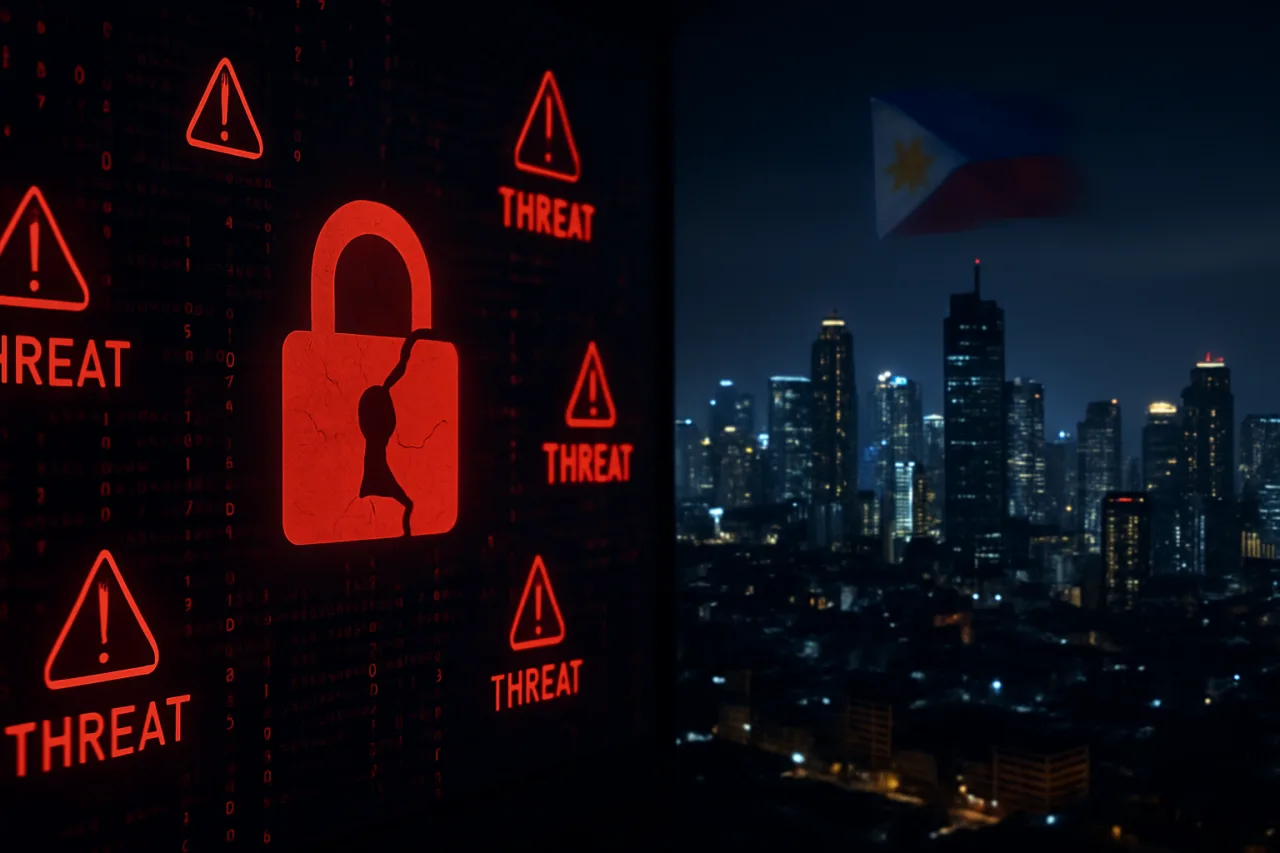
Cybersecurity in the Philippines has become a national priority as data breaches, ransomware attacks, deepfake scams, and phishing campaigns target Filipino professionals, OFWs, and businesses at unprecedented rates. The Philippine government has responded with the Data Privacy Act, the National Cybersecurity Plan, and mandatory cybersecurity testing from the DICT. This comprehensive pillar guide covers the Philippine cybersecurity landscape in 2026 — the top threats, government responses, how OFWs can protect themselves, which cybersecurity companies operate in the Philippines, and what businesses must do to comply with evolving regulations. With 363 cybersecurity articles on worldngayon.com, this pillar page anchors our largest content cluster and serves as the starting point for understanding digital security in the Philippines.
Key Takeaway
- 🚨 Philippine cyber threat landscape: The Philippines ranks among the top targets in Southeast Asia for cyberattacks, with government systems, BPO companies, and OFW remittance platforms as primary targets.
- 🏛️ Government response: The DICT now mandates cybersecurity testing for critical infrastructure, the NPC issues regular data privacy advisories, and the National Cybersecurity Council (NCC) coordinates national defense.
- 🎭 Deepfake scams targeting OFWs: AI-powered voice cloning and deepfake video scams are the fastest-growing threat to OFW families — criminals impersonate family members to extract money.
- 🛡️ OFW protection essentials: Enable 2FA on all accounts, use password managers, verify money requests through secondary channels, and avoid public WiFi for banking — these 4 steps prevent 90% of attacks.
- 🏢 Philippine cybersecurity industry: Dozens of cybersecurity companies operate in the Philippines providing managed security services, compliance consulting, and incident response for businesses.
- 💰 Cost of cybercrime: Cybercrime costs the Philippine economy billions of pesos annually, with SMEs being the most vulnerable due to limited security budgets and expertise.
- 📚 Skills gap: The Philippines faces a significant cybersecurity workforce shortage, creating career opportunities for Filipinos who pursue security certifications and training.
The Cybersecurity Landscape in the Philippines 2026
Cybersecurity in the Philippines has evolved from an IT concern to a national security priority. According to the Department of Information and Communications Technology (DICT), the Philippines faces an increasing volume of cyberattacks targeting government systems, financial institutions, BPO companies, and individual users. The country’s rapid digital transformation — driven by digital banking, e-commerce, and remote work — has expanded the attack surface faster than defensive capabilities can scale.
For Filipino professionals and OFWs, the stakes are personal. A single phishing attack can drain a digital bank account. A deepfake voice clone can trick a family into sending emergency money to a scammer. A data breach can expose OFW personal information to identity thieves. Understanding cybersecurity in the Philippines is no longer optional — it is a survival skill for anyone living and working in a digital economy. For related content on digital safety, see our Digital Banks Philippines guide and Pag-IBIG MP2 savings guide.
The Philippines’ position as a global BPO hub, with over 1.7 million workers handling international client data, makes it a high-value target for cybercriminals. The IT-BPM industry’s access to sensitive financial, healthcare, and personal data from clients in the United States, Europe, and Australia creates an attractive attack surface. Our IT-BPM target cuts analysis documents how AI and cybersecurity concerns are reshaping the industry. Additionally, the growing digital banking sector — with 6 BSP-licensed digital banks serving millions of Filipinos — provides another lucrative target for cybercriminals seeking to intercept transactions and steal credentials.
The Cost of Cybercrime in the Philippines
The financial impact of cybercrime in the Philippines is staggering and growing. While exact figures are difficult to quantify due to underreporting, several data points paint a clear picture:
- Government system attacks: Philippine government systems face thousands of cyberattack attempts monthly, with documented incidents increasing year over year. The cost of downtime, incident response, and system recovery runs into hundreds of millions of pesos.
- BPO sector losses: A single data breach at a BPO company can cost ₱50-200 million in direct losses, regulatory fines, client contract terminations, and reputational damage. The IT-BPM industry employs over 1.7 million Filipinos — a breach affecting this sector has cascading economic consequences.
- OFW family losses: OFW families lose millions of pesos annually to phishing, smishing, and deepfake scams — often unreported due to embarrassment. A single successful deepfake scam can cost a family ₱50,000-₱500,000 — money that took years of overseas work to save.
- Digital banking fraud: As digital banking grows, attack attempts on GCash, Maya, and digital bank accounts have surged. See our GCash Maya security guide for protection strategies.
- SME vulnerability: Small and medium enterprises are the most vulnerable targets because they typically lack dedicated IT security staff, have limited security budgets, and use outdated software. A single ransomware attack can put a small Filipino business permanently out of operation.
The economic reality is clear: investing in cybersecurity is far cheaper than recovering from a cyberattack. A basic security program — employee training, 2FA, password managers, and regular updates — costs a fraction of what a single breach would cost. For individual Filipinos and OFWs, the investment is even smaller: free tools and good habits prevent the vast majority of attacks.
Top 5 Cybersecurity Threats in the Philippines 2026
1. Deepfake and AI-Powered Scams
Deepfake scams are the fastest-growing cybersecurity threat in the Philippines. Criminals use AI to clone the voice of an OFW and call their family in the Philippines, claiming to be in an emergency situation and requesting immediate money transfer. According to our deepfake scams analysis, these attacks have become so sophisticated that family members cannot distinguish the cloned voice from the real one. The NPC has issued data privacy advisories warning about this threat. See also our coverage of the Bitdefender RealCheck deepfake detection tool and our guide on protecting OFW families from deepfake scams.
The deepfake threat works in two stages. First, the attacker scrapes the OFW’s voice from social media — a Facebook video, a YouTube post, or even a voice message is enough for AI to clone the voice. Second, the attacker calls the OFW’s family using the cloned voice, creating a scenario that triggers emotional urgency: “I’m in the hospital, please send money for surgery” or “I was arrested, I need bail money.” The family, hearing what sounds exactly like their loved one, sends money before they can verify. This is why verifying money requests through secondary channels is critical — we cover this in the OFW protection section below.
2. Ransomware Attacks on Philippine Businesses
Ransomware attacks targeting Philippine businesses and government agencies have increased significantly. Attackers encrypt critical systems and demand cryptocurrency payments for decryption. Our Philippine ransomware analysis documents the trend, and our coverage of Q1 2026 ransomware incidents shows the pace is accelerating. The DICT now mandates mandatory cybersecurity testing for critical infrastructure. Ransomware is particularly devastating because it doesn’t just steal data — it locks entire systems, halting business operations until the ransom is paid or systems are rebuilt from backups. For Philippine SMEs without proper backup strategies, a ransomware attack can mean permanent closure.
3. Phishing and Smishing Campaigns
Phishing emails and smishing (SMS phishing) remain the most common attack vectors targeting Filipinos. Our OFW phishing guide documents how scammers impersonate banks, government agencies, and remittance services to steal credentials. Smishing campaigns targeting GCash and Maya users are particularly prevalent — see our smishing scam analysis and OFW smishing protection guide.
Phishing works because it targets human psychology rather than technical vulnerabilities. A well-crafted phishing email looks identical to a legitimate bank communication — same logo, same formatting, same tone. The only difference is the link, which leads to a fake website designed to capture your credentials. For OFWs who may be stressed, busy, or unfamiliar with digital security practices, the risk is particularly high. The Philippines also faces parcel delivery scams — see our parcel delivery scam guide — and fake government app scams documented in our fake app scam analysis.
4. Data Breaches
Major data breaches have exposed the personal information of millions of Filipinos. Our Philippine data breach analysis tracks the most significant incidents, including the Accenture breach and government system compromises. The National Privacy Commission (NPC) regularly issues data privacy advisories in response to these incidents. For OFW-specific data protection, see our OFW data breach credentials guide. Data breaches are particularly dangerous because the exposed information — names, addresses, phone numbers, government IDs — can be used for identity theft, targeted phishing, and social engineering attacks months or even years after the initial breach.
5. Supply Chain Attacks
Supply chain attacks — where criminals compromise a trusted vendor to access their customers — are an emerging threat for Philippine businesses. Our supply chain cybersecurity analysis documents how these attacks work and how Philippine companies can defend against them. The GitHub breach and the agentjacking attacks on AI coding agents are examples of how supply chain vulnerabilities can cascade across the technology ecosystem. For Philippine businesses that rely on third-party software vendors, cloud providers, and outsourcing partners, supply chain risk management is becoming as important as direct security measures.
Philippine Government Cybersecurity Response
DICT (Department of Information and Communications Technology)
The DICT is the lead agency for Philippine cybersecurity. It coordinates the National Cybersecurity Plan, issues security directives, and now mandates cybersecurity testing for critical infrastructure. The DICT also operates the National Computer Emergency Response Team (NCERT) for incident response. The department’s shift from advisory to mandatory testing represents a significant policy change — Philippine businesses can no longer treat security as optional.
NPC (National Privacy Commission)
The National Privacy Commission (NPC) enforces the Data Privacy Act of 2012 — the Philippines’ primary data protection law. The NPC issues advisories, investigates breaches, and can impose penalties on organizations that fail to protect personal data. For the latest advisories, see our NPC advisory coverage. The NPC’s role has expanded significantly as data breaches become more frequent and more severe, with the commission now actively pursuing enforcement actions against organizations that fail to comply with data protection requirements.
NCC (National Cybersecurity Council)
The National Cybersecurity Council coordinates national cybersecurity strategy across government agencies, private sector partners, and international allies. See our coverage of the NCC’s role in Philippine cybersecurity. The NCC brings together representatives from government, military, law enforcement, and the private sector to ensure a coordinated response to cyber threats that cross jurisdictional boundaries.
DICT Mandatory Cybersecurity Testing
In 2026, the DICT implemented mandatory cybersecurity testing for critical infrastructure operators. This requirement pushes Philippine businesses to proactively test and strengthen their security posture rather than waiting for an attack. See our complete guide to DICT mandatory testing. Organizations covered by this mandate include telecommunications providers, banks and financial institutions, government agencies, energy and utility companies, transportation systems, and healthcare providers. Non-compliance can result in regulatory penalties and, more importantly, increased vulnerability to attacks.
The Data Privacy Act of 2012: What Philippine Businesses Must Know
The Data Privacy Act of 2012 (Republic Act 10173) is the Philippines’ comprehensive data protection law. Modeled after the European GDPR, it requires organizations that collect, process, or store personal data to implement appropriate security measures. Key requirements include:
- Consent: Organizations must obtain clear consent before collecting personal data, and individuals have the right to know what data is collected and why.
- Data minimization: Only collect data that is necessary for the stated purpose — do not collect additional data “just in case.”
- Security measures: Organizations must implement reasonable and appropriate organizational, physical, and technical security measures to protect personal data.
- Breach notification: Organizations must notify the NPC within 72 hours of discovering a data breach that affects personal data.
- Data Protection Officer (DPO): Organizations that process large volumes of personal data must appoint a DPO to oversee compliance.
- Penalties: Violations can result in fines of up to ₱5 million and imprisonment of up to 6 years, depending on the severity.
For Filipino businesses, compliance with the Data Privacy Act is not just a legal obligation — it is a competitive advantage. Companies that can demonstrate strong data protection practices win trust from clients, especially international clients who are increasingly demanding GDPR-level compliance from their vendors. For OFWs concerned about their personal data, understanding your rights under the Data Privacy Act is essential — see our OFW data privacy guide.
Cybersecurity for OFWs: How to Protect Themselves Online
OFWs are particularly vulnerable to cyberattacks because they conduct financial transactions across countries, use public WiFi, and communicate with family through digital channels. The combination of being far from home, managing money digitally, and having family members who may not be security-savvy creates multiple attack vectors. Here are the essential protection measures:
The OFW Cybersecurity Checklist
- Enable 2FA everywhere: Two-factor authentication on all bank accounts, email, social media, and remittance apps. This is the single most effective security measure — even if a scammer gets your password, they can’t log in without the second factor. See our 2FA guide for OFW bank accounts.
- Use a password manager: Never reuse passwords. A password manager creates and stores unique passwords for every account. See our OFW password manager guide. Popular options include Bitwarden (free), 1Password, and LastPass.
- Verify money requests: If a family member asks for emergency money via text or call, verify through a secondary channel (video call, different family member) before sending. Deepfake voice cloning makes audio-only verification unreliable. Establish a family code word that only real family members would know.
- Avoid public WiFi for banking: Use mobile data or a VPN when accessing financial accounts. Public WiFi networks in airports, malls, and cafes can be monitored by attackers. See our best VPN for OFWs guide.
- Update apps regularly: App updates include security patches. Outdated apps are vulnerable to known exploits. Enable automatic updates where possible.
- Beware of smishing: Never click links in SMS messages claiming to be from GCash, Maya, banks, or government agencies. Legitimate institutions never ask you to click links in SMS. See our smishing protection guide.
- Secure your mobile device: Enable biometric lock, install security updates, and only download apps from official stores (Google Play, Apple App Store). Avoid sideloading apps from unknown sources.
- Be cautious on social media: Your public posts — photos, videos, voice messages — give deepfake scammers the material they need to clone your voice and face. Adjust privacy settings to limit who can see your content.
- Monitor your accounts: Check your bank and digital wallet transaction history regularly. Report unauthorized transactions immediately — most banks have a limited window for fraud reports.
What to Do If You Are a Victim of a Cyberattack
If you are an OFW and you suspect you have been targeted by a cyberattack — whether phishing, smishing, identity theft, or a deepfake scam — take these immediate steps:
- Contact your bank immediately: Freeze or block affected accounts. Most Philippine banks and digital wallets have 24/7 hotlines for fraud reports. The faster you report, the more likely funds can be recovered.
- Change all passwords: Start with email (since password resets go through email), then banking, then social media. Use a password manager to generate strong unique passwords.
- Report to the NPC: File a complaint with the National Privacy Commission at privacy.gov.ph if your personal data was compromised.
- Report to the NBI Cybercrime Division: The NBI handles cybercrime investigations in the Philippines. File a report at their office or through their online portal.
- Warn your family: If scammers may target your family using your identity, alert them immediately through a verified secondary channel.
- Document everything: Take screenshots of suspicious messages, emails, and transactions. This evidence helps investigators and insurance claims.
- Report to OWWA: If you are an active OWWA member, you may be eligible for emergency assistance. See our OWWA Benefits guide for assistance options.
For OFWs abroad, you can also contact the Philippine embassy or consulate — they can help coordinate with Philippine authorities and provide emergency assistance. Time is critical in cyberattack response — the first 24 hours determine whether stolen funds can be frozen and recovered.
Cybersecurity for Philippine Businesses
Philippine businesses face increasing pressure to strengthen their security posture. The DICT’s mandatory testing requirement, the NPC’s enforcement of the Data Privacy Act, and the rising cost of cyberattacks all demand action. Here is what Philippine businesses should prioritize:
Essential Security Measures for Philippine SMEs
- Employee security training: 90% of successful cyberattacks start with a phishing email. Train employees to recognize and report suspicious emails. Regular phishing simulations are highly effective.
- 2FA on all systems: Enforce two-factor authentication on email, VPNs, cloud applications, and administrative accounts. This alone prevents the majority of credential-based attacks.
- Regular security updates: Patch operating systems, applications, and firmware promptly. Most successful exploits target known vulnerabilities that already have patches available.
- Backup strategy: Maintain offline, encrypted backups of critical data. Test backup restoration regularly. Ransomware cannot extort you if you can restore from clean backups.
- Access control: Implement least-privilege access — employees only get access to the systems and data they need for their role. Regularly review and revoke access for departed employees.
- Incident response plan: Document what to do when an attack happens. Know your emergency contacts (NBI Cybercrime, NPC, DICT NCERT). Every hour of confusion during an attack costs money.
Cybersecurity Compliance for Philippine Companies
Beyond the technical measures, Philippine companies must ensure regulatory compliance. This includes DICT mandatory testing for critical infrastructure, NPC data privacy compliance, and industry-specific requirements (BSP regulations for banks, DOH regulations for healthcare). For companies in the BPO sector, international client compliance standards (SOC 2, ISO 27001, PCI DSS) may also apply. The cost of compliance is always lower than the cost of a breach — both in financial terms and reputational damage.
Cybersecurity Companies in the Philippines
The Philippine security industry includes local providers and international companies offering managed security services, compliance consulting, and incident response. For a complete directory, see our cybersecurity companies directory and our updated 2026 complete provider directory. These companies offer services ranging from penetration testing and vulnerability assessment to 24/7 managed detection and response (MDR), security operations center (SOC) services, and compliance auditing.
Cybersecurity Certifications Available in the Philippines
Filipino professionals can pursue security certifications to advance their careers. The demand for certified security professionals in the Philippines far exceeds supply, making this one of the highest-paying career paths in the country. Popular certifications include:
- CISSP (Certified Information Systems Security Professional): Gold standard for security management. Requires 5 years of experience. See our certifications guide for exam costs in the Philippines.
- CompTIA Security+: Entry-level certification covering fundamental security concepts. Good starting point for IT professionals transitioning to security.
- CEH (Certified Ethical Hacker): Focuses on offensive security — learning to think like an attacker to defend better.
- CISM (Certified Information Security Manager): For security management and governance roles.
- ISO 27001 Lead Implementer/Auditor: For professionals working with information security management systems.
For details on certification costs and availability in the Philippines, see our cybersecurity certifications guide and our Philippine-specific certification guide. For career opportunities in the broader tech sector, see our AI career Philippines guide.
Threat Statistics: Philippines 2026
The numbers tell the story of why security matters for every Filipino:
- Government attacks: Philippine government systems face thousands of cyberattack attempts monthly. See our documented incidents.
- BPO sector risk: The IT-BPM industry is a prime target due to access to international client data. See our BPO analysis.
- OFW losses: OFW families lose millions of pesos annually to phishing, smishing, and deepfake scams — often unreported due to embarrassment.
- Skills gap: The Philippines faces a significant security workforce shortage. See our skills gap analysis.
For the latest threat intelligence, see our Philippine cyber threat landscape and 2026 cyber threat analysis. For international context, see our coverage of ASEAN cybersecurity policy, INTERPOL cyber threats, and quantum cybersecurity developments.
NIST AI Cybersecurity Framework and Philippine Relevance
The NIST AI Risk Management Framework provides guidelines for securing AI systems — increasingly relevant as Philippine businesses adopt AI tools. Our coverage of NIST AI security guidelines and the detailed implementation guide explains how Filipino businesses can align with international AI security standards. As AI adoption grows in the Philippines — from chatbots to automated decision-making — the security of these AI systems becomes a critical concern. See also our analysis of dangerous AI models and AI-powered autonomous cyberattacks.
International Cybersecurity Cooperation Affecting the Philippines
The Philippines does not face cyber threats in isolation. Cybercrime is inherently cross-border, and Philippine security efforts are connected to international frameworks:
- ASEAN cybersecurity cooperation: The Philippines participates in ASEAN cybersecurity policy coordination, sharing threat intelligence with neighboring countries.
- INTERPOL cooperation: Philippine law enforcement works with INTERPOL on cross-border cybercrime investigations.
- Indonesia and regional threats: See our coverage of Indonesia BSSN security and Indonesia cyberattacks for regional context.
- Quantum computing threats: The MAS quantum cybersecurity initiative highlights emerging threats that will eventually affect Philippine encryption systems.
- China cybersecurity threats: Our coverage of China nexus cyber threats and China AI competition provides geopolitical context.
Related Security Articles and Resources
This pillar guide anchors our largest content cluster with 363 security articles. Explore these key resources:
- Cybersecurity Guide for OFWs 2026 — OFW-focused security guide
- Cybersecurity Philippines Complete Guide — General security guide
- Philippine Cybersecurity Crisis 2026 — Crisis analysis
- Complete Security Guide — Comprehensive overview
- Philippine Security Market Report 2026 — Industry analysis
- AI Security Tools 2026 — AI-powered defense tools
- Secure Messaging Apps for OFWs — Communication security
- OFW Digital Safety 2026 — Comprehensive digital safety guide
- Security Events Philippines 2026 — Conferences and summits
- BusinessWorld Security Summit 2026 — Industry summit coverage
- Shadow AI Risks for OFWs — Unauthorized AI usage risks
- AI Voice Cloning Scam Guide — Voice clone protection
- Online Scams Philippines 2026 — Scam landscape overview
- Online Scams in the Philippines — General scam guide
- OFW Data Breach Guide — What to do when breached
Frequently Asked Questions About Cybersecurity in the Philippines
What is the biggest cybersecurity threat in the Philippines?
The biggest and fastest-growing cybersecurity threat in the Philippines is AI-powered deepfake scams targeting OFW families, followed by ransomware attacks on businesses, phishing campaigns, and data breaches. The DICT and NPC are actively responding to these threats with new regulations and advisories.
What is the Data Privacy Act of the Philippines?
The Data Privacy Act of 2012 (Republic Act 10173) is the Philippines’ primary data protection law. It requires organizations to protect personal data, report breaches to the NPC within 72 hours, obtain consent for data processing, and appoint a Data Protection Officer. The NPC enforces the law and can impose penalties including fines up to ₱5 million and imprisonment.
How can OFWs protect themselves from cyberattacks?
OFWs should enable 2FA on all accounts, use a password manager, verify money requests through secondary channels (establish a family code word), avoid public WiFi for banking, use a VPN, keep apps updated, beware of smishing messages, limit social media exposure (to prevent deepfake material), and monitor accounts regularly. These steps prevent 90% of common attacks.
Does the Philippines have mandatory cybersecurity testing?
Yes. In 2026, the DICT implemented mandatory cybersecurity testing for critical infrastructure operators including telecommunications, banking, government, energy, transportation, and healthcare. This requirement ensures that organizations proactively test and strengthen their security posture.
What should I do if my data is breached in the Philippines?
If your data is breached: contact your bank immediately to freeze accounts, change all passwords starting with email, report to the NPC at privacy.gov.ph, report to the NBI Cybercrime Division, warn your family, document everything with screenshots, and if you’re an OWWA member, check eligibility for emergency assistance. Time is critical — act within the first 24 hours.
Are GCash and Maya safe to use?
GCash and Maya are generally safe when used correctly — enable 2FA, use biometric locks, and never share OTPs. However, they are frequent targets of phishing and smishing campaigns. See our GCash Maya security guide for complete protection steps.
What cybersecurity certifications are available in the Philippines?
Popular security certifications available in the Philippines include CISSP, CompTIA Security+, CEH (Certified Ethical Hacker), CISM, and ISO 27001 Lead Implementer/Auditor. These are available through local training providers and online platforms with examination centers in Metro Manila, Cebu, and Davao.
How many cybersecurity companies operate in the Philippines?
Dozens of cybersecurity companies operate in the Philippines, ranging from local managed security service providers to international firms. Services include penetration testing, managed detection and response (MDR), security operations centers (SOC), compliance auditing, and incident response. See our complete cybersecurity companies directory for a full list.
Disclaimer: This article is for informational purposes only and does not constitute legal, technical, or security advice. Cybersecurity threats and regulations evolve rapidly. Always verify current threats and requirements with the DICT (dict.gov.ph), NPC (privacy.gov.ph), or a qualified cybersecurity professional.
Related reading: A live example of core-infrastructure risk: CVE-2026-73749, the 9.8-severity Aruba switch flaw, shows why network-device patching belongs in every Philippine security program.
Related reading: Two more live cases: the AI notetaker breach that exposed meeting recordings and the macOS screen-sharing flaw — both relevant to Filipino remote-work setups.
Related reading: Travel-day risk is real: fake OEC interception at Clark Airport pairs digital fraud with physical targeting of OFWs.
Related reading: The frontier risk is biological too: AI bioweapon research and DNA screening — why cyber policy now extends to labs.