
Table of Contents
Key Takeaway
- 🎥 UGC creator rates price production, not audience: marketplace data puts the average around $205 per deliverable, and beginners land in the $50 to $400 band per video.
- 💼 The fee has three levers: production effort, usage rights and whether the clip runs as organic content or behind paid advertising, and the last lever alone can double the bill.
- 📉 Follower count barely moves UGC pricing: the work sells the video quality and not a reach, which opens the door to creators who have no audience at all.
- 🧾 Usage rights decide the invoice: an organic clip, a paid-ads clip and exclusivity are three different prices sitting inside one negotiation.
- 🌍 Payouts are the practical wall for creators outside the US: pick the platform and the payment rail together, because the same $205 lands very differently depending on both.
The fastest-growing lane in creator income has a quietly unusual economics: the customer who pays you will often never ask how many followers you have. Marketplace tracker data built on 1.4 million-plus pricing points puts the average UGC creator fee at $205 per deliverable, and working creators on the same marketplace publish rates as low as $70 and as high as $150 for a single clip. Brands pay for the video. The audience, if one exists, is a bonus.
This guide breaks down what UGC creator rates look like right now, which levers move them, how to build the portfolio that gets you hired without a following, and the contract and payout details that decide whether the fee actually reaches you.
What the Work Actually Is
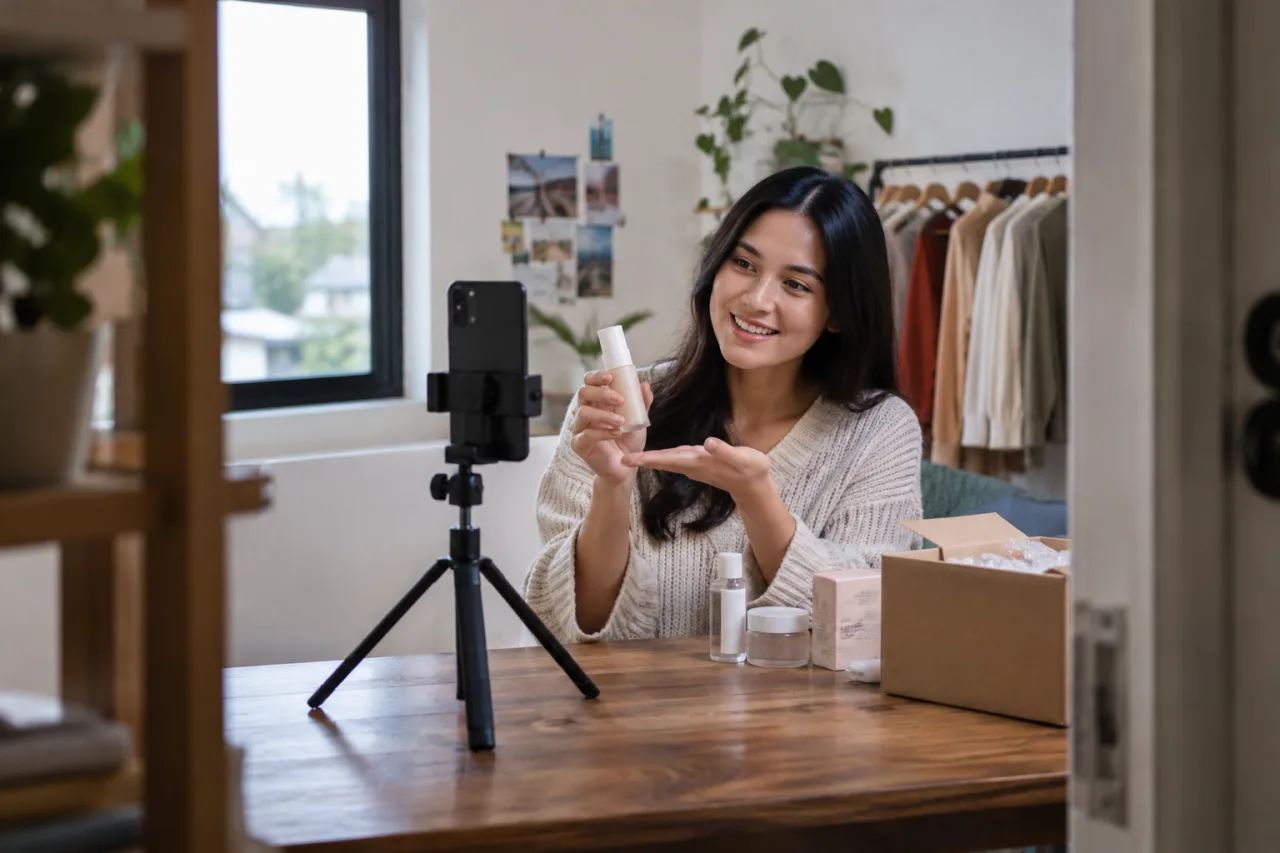
A UGC creator makes content that looks organic but gets bought. That is the whole transaction. The brand pays a fee, the creator shoots and edits a video or photo set, and the brand receives a deliverable it can publish on its own accounts or run as an advertisement. Nothing needs to appear on the creator’s own profile.
The distinction from influencer work matters because the two lanes price differently. Influencer rates buy an audience: reach, engagement and trust built over years. UGC creator rates buy production: scripting, shooting, lighting, editing and a usable file. The marketplace analysis frames it bluntly, that brands treat UGC as a production-line cost rather than a media buy, and once you understand that, every number that follows makes sense.
What UGC Creator Rates Look Like Right Now
Two primary reference points published verifiable numbers within this research window, and they agree at the edges:
| Tier or metric | Observed range | Source |
|---|---|---|
| Marketplace average per deliverable | $205 | Collabstr calculator, 1.4m+ rate points |
| Working creators’ listed rates on the marketplace | $70 to $150 per clip | Collabstr, sampled profiles |
| Beginner-level video | $50 to $400 | Insense rates breakdown |
| Premium or ads-ready production | $500 to $3,000+ | Insense rates breakdown |
| Typical band across TikTok, Reels and Shorts | $125 to $1,100 | Insense rates breakdown |
| Niche premium (finance, SaaS, healthcare) | 20 to 100 percent over base | Insense rates breakdown |
Read that table as a market with a wide floor and a much wider ceiling. A home-DIY creator in Leeds lists $120. A beauty and lifestyle creator in Houston lists $150. An AI-assisted creator in Nairobi lists $70. The spread is production effort, niche scarcity and rights, not geography as a rule, and not follower count.
What Moves UGC Creator Rates Up or Down
Four levers decide where any single job lands inside those bands:
- Deliverable count and complexity. One raw vertical video priced at $150 becomes a three-video package with hooks and captions priced near $400 and beyond. Extra edits, extra hooks and reshoots all bill against production time.
- Usage rights. This is the lever most beginners undersell. Organic use, meaning the brand posts the clip on its own account, is the base fee. Paid-ads usage, meaning the brand puts the clip behind its ad spend, carries a separate, often doubled fee, because ad usage is where a good clip multiplies its value.
- Niche scarcity. The rates breakdown is explicit that finance, SaaS and healthcare creators command premiums of 20 to 100 percent over the base bands, while saturated niches like beauty and fashion stay comparatively cheap despite bigger brand budgets. Scarcity sets the price, not the brand’s size.
- Turnaround. A 24-hour delivery ask bills like rush work in any production trade. Standard turnarounds of several days sit at the listed rate.
How to Get Hired Without a Following
Because the fee prices production, the portfolio replaces the follower count as the entry ticket. The sequence that working creators repeat:
- Make three to five spec videos. Pick everyday products you already own, shoot them the way an ad would look, and post the set on any profile as a public reel. This is the portfolio brands inspect.
- Lead with the problem-solution shape. The clip formats brands buy repeatedly follow a pattern: hook in the first three seconds, demonstration in the middle, one clear call to action at the end. Master one format before chasing variety.
- List on a creator marketplace and a gig platform at once. Marketplaces built for UGC bring brands with briefs; gig platforms bring small sellers who want one video. The fee comparison across both mirrors what our Fiverr vs Upwork comparison covers for freelance platforms.
- Price at the beginner band, but never free. The observed beginner band starts at $50 per video. Free work sets a precedent the next client inherits, and the first invoice is also where good habits form.
- Ask for a deliverable brief in writing. Format, length, hooks wanted, usage scope and revision count, all in the brief. This step alone removes most disputes, and it is where the contract layer below begins.
What Sourcing Routes Cost Brands, and Why Creators Care
Beginners usually skip the buyer’s side of the ledger, and it is the side that explains why this market hires so fast. The rates breakdown prices three sourcing routes a brand can take, and UGC creators compete differently against each one:
- Doing it in-house. A brand staff that scripts, shoots and edits runs creator fees plus $7,000 to $10,000 or more per month in staff time. Every competent freelancer undercuts that line without touching the bottom of the market.
- Agency retainers. Agencies sourcing content start around $2,000 per month, trading premium for convenience.
- Creator platforms. Managed creator sourcing starts around $500 per month, which is the tier where independent profiles like yours live, and where the per-clip rates above actually get paid.
Read that list as a brand would. The alternative to paying a UGC creator $205 per clip is a payroll line worth five figures each month, and that gap is what keeps briefs flowing to new profiles that deliver on deadline.
The First 90 Days, Week by Week
Nothing in the rate sections matters until a deliverable ships, so here is the starter sequence laid out against the calendar:
- Weeks one and two: build the reel. Three spec videos on products you own, each under 40 seconds, each with the hook-demonstration-call pattern. This is the entire audition.
- Week three: list and price. Create marketplace and gig-profile pages, price inside the beginner band from $50, and write your one-page deliverable agreement now, before anyone signs anything.
- Weeks four to six: take the first paid jobs. Take two or three small jobs, hit the deadlines, and over-deliver on editing quality rather than scope. The review you collect here sets your rate floor.
- Weeks seven to ten: raise rates and formalize rights. Move one step up the bands, write usage terms into every brief response, and price advertising usage separately from organic.
- Weeks eleven to twelve: pick a niche. Scarcity pays, so pick the area where you have genuine proof, the health, finance, technical or trade knowledge classes that carry premiums over the saturated categories.
Pricing Mistakes That Cost Beginners Real Money
The rate bands only pay out if the negotiation around them is clean. Four mistakes repeat across this work, and each has a specific fix:
- Handing away advertising rights inside an organic fee. The clip that runs behind a brand’s ad spend is worth a separate invoice. Name the two grants in the brief response, price them apart, and if a brand pushes, the compromise is a time-boxed trial of ad usage, not a silent bundle.
- Offering unlimited revisions. Two revision rounds is the workable norm for a beginner tier. Open-ended edits are how a $150 job becomes a $150-per-week job, unpaid.
- Free work as a portfolio strategy. The three-to-five spec videos in the starter sequence already prove ability without a client, so the free sample is unnecessary, and unpaid work is the precedent every later client sees in your history.
- Ignoring the follower-band logic entirely. Marketplace calculators still filter by platform, niche and follower range, which means some brands segment you by reach even in a production-fee market. Keeping a real, public posting history on your own profile keeps that filter working for you rather than against you.
Contracts, Rights and the Rule That Protects Both Sides
The paperwork in this lane is small but decisive. A usable one-page agreement names the deliverables, the revision count, the usage scope, the payment terms and who owns what. Three clauses do most of the work:
- Scope of use. Organic posting rights, paid advertising rights and exclusivity are separate grants. Price them separately; a clip running behind six figures of ad spend is not the same product as one sitting on a feed.
- Usage window. Ad usage commonly carries a term, with renewal priced in. An open-ended rights grant is a premium product, and a first-time creator should not hand it away at base price.
- Disclosure duty. When the content appears on the creator’s own account, disclosure rules apply to paid promotion; the FTC’s influencer disclosure guide and its endorsement guidance FAQ set the baseline both sides share.
Payments and Payout Reality for Non-US Creators
Platform fees and payout rails matter as much as the headline rate. Marketplace commissions run alongside payment processing, and cross-border creators lose a second layer to conversion and transfer fees. The practical pattern for creators outside the US is to invoice through the rail that charges the least on the corridor you actually live on; our PayPal vs Payoneer vs Wise comparison compares the three rails across the common freelance corridors, and the same logic applies here.
The creator-economy lanes now standing next to UGC pricing all lean on the same rails, from the fees our membership platform comparison covers to the watch-time economy our YouTube monetization rules guide explains to the product-business cost breakdown in our print on demand guide. UGC sits in that family as the path with the lowest entry bar, because it pays for work rather than audience.
Frequently Asked Questions
How much do UGC creators make per month?
There is no fixed monthly figure in this lane; creators are paid per deliverable. Rates per video run about $50 to $400 for beginners and $500 to $3,000 and above for premium or ads-ready work, so monthly income equals deliverables times rate, minus platform commission and payouts. One $205-average clip per week is a different life from eight.
Do I need followers to become a UGC creator?
No. Follower count barely moves UGC pricing because the fee buys production, not audience. Working marketplace creators with tiny profiles list $70 to $150 clips next to larger profiles, and brands hire the portfolio, not the audience.
What should a beginner charge for a first UGC video?
Start inside the observed beginner band, $50 to $400, scaled by deliverable complexity, and never accept free work as a substitute for a first invoice. A paid first job builds the habit the second job inherits, including the practice of writing the usage scope down.
What is the difference between organic and usage rights?
Organic rights let the brand post the clip on its own accounts. Advertising rights let the brand run the clip behind paid spend, which multiplies its value to the brand and is priced separately. Exclusivity, meaning the clip may not appear in competing ads, is a third grant on top.
Do UGC creators pay tax on brand payments?
Yes, in virtually every jurisdiction this work is taxable income. How it is reported depends on your country and business setup, and this guide does not give tax advice; the general rule is to keep every invoice and payout record from day one, because the paperwork that proves the income also proves the expenses against it.
Can AI-generated content qualify as UGC?
Brands increasingly buy AI-assisted clips, and at least one AI-focused UGC creator lists public rates on the same marketplaces. The premium still accrues to creators who deliver finished, brand-usable files on deadline, whether the workflow includes AI tools or not. Disclosure practices for synthetic content are a moving area, so check the current guidance of any platform before you ship AI-assisted work.
If this intelligence helps you, you can add WorldNgayon as a preferred source on Google — free, one click, and it helps other Filipinos find the answers faster.
Financial Disclaimer
This article is business and creator-economy information published for general guidance. Earnings ranges cited come from the marketplace sources linked and change with the market; they are not promises of income. Nothing here is financial, tax or legal advice, and no outcome is guaranteed. WorldNgayon accepts no liability for decisions made based on this article. Readers should verify current rates directly and consult qualified professionals for their specific situation.
- insense.pro/blog/ugc-creator-rates — marketplace analysis
- collabstr.com/influencer-price-calculator/user-generated-content — Collabstr calculator
- Official ftc.gov/business-guidance/resources/disclosures-101-social-media-infl… — influencer disclosure guide
- Official ftc.gov/business-guidance/resources/ftcs-endorsement-guides-what-peop… — endorsement guidance FAQ
- google.com/preferences/source?q=worldngayon.com — add WorldNgayon as a preferred source on Google
External sources linked in this article, in order of first mention. Spotted an error or a broken link? Tell us.
Cite this pagePublished Nov 17, 2026
Agron, E. (2026, November 17). UGC Creator Rates: What Brands Pay for Product Videos. WorldNgayon. https://worldngayon.com/ugc-creator/
Agron, Edmon. “UGC Creator Rates: What Brands Pay for Product Videos.” WorldNgayon, 17 Nov. 2026, worldngayon.com/ugc-creator/.
Agron, Edmon. “UGC Creator Rates: What Brands Pay for Product Videos.” WorldNgayon, November 17, 2026. https://worldngayon.com/ugc-creator/.
Agron, E. (2026) ‘UGC Creator Rates: What Brands Pay for Product Videos’, WorldNgayon, 17 November. Available at: https://worldngayon.com/ugc-creator/.
E. Agron, “UGC Creator Rates: What Brands Pay for Product Videos,” WorldNgayon, Nov. 17, 2026. [Online]. Available: https://worldngayon.com/ugc-creator/
@online{agron2026ugccreator,
  author       = {Agron, Edmon},
  title        = {{UGC Creator Rates: What Brands Pay for Product Videos}},
  year         = {2026},
  date         = {2026-11-17},
  organization = {WorldNgayon},
  url          = {https://worldngayon.com/ugc-creator/},
  urldate      = {}
}TY - ELEC AU - Agron, Edmon TI - UGC Creator Rates: What Brands Pay for Product Videos T2 - WorldNgayon PY - 2026 DA - 2026/11/17/ UR - https://worldngayon.com/ugc-creator/ Y2 - ER -
Cite the version you read; the page may be updated. Zotero and Mendeley can also import this page directly.