Table of Contents
Key Takeaway
- 📋 The verified rule that starts contributions from abroad on the PhilHealth side: under the Universal Health Care Act (RA 11223), OFWs are Direct Contributors to PhilHealth and pay 5.0% of monthly income; payments run monthly, quarterly, semi-annually or annually “to all PhilHealth accredited collecting agents both local and overseas” (PhilHealth Advisory 2026-0042, signed July 21, 2026 — the agency’s own page).
- 💳 The three program rails, verified: SSS through the My.SSS member portal plus its accredited payment channels; Pag-IBIG through Virtual Pag-IBIG and the wallet rails (GCash and Maya carry the Pag-IBIG payment flows); PhilHealth through its own portal and its accredited collecting agents — with the wallets, cards and remittance partners doing the actual charging from abroad.
- 🛂 The hidden enabler most guides skip: the SIM problem. The wallet portals’ OTPs go to the registered mobile number — the desk’s verified guidance runs through keeping a roaming-capable SIM active before departure, or moving verification to channels that don’t depend on a physical SIM at send time.
- 🏥 The piece’s least-known edge: OFWs and dependents living abroad are entitled to reimbursement of overseas confinements at the applicable PhilHealth All-Case-Rate — filed within 180 school days-class window on the advisory’s terms — which is one of the real reasons the coverage must stay paid.
- 🏦 The money framing: SSS voluntary monthly minimums run the ladder the desk’s Saudi guide prices (₱1,200-class up to ₱5,250); the government-programs stack rides the same remittance rail as everything else — fund them after the household boundary, in the order the playbook teaches.
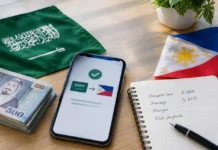
OFW contributions from abroad form the topic where the three government programs’ rules collide with three different payment realities — and the verified picture as of late 2026 is cleaner than the folklore says: SSS pays through the member portal’s accredited channels (the desk’s Saudi-side guide documents the flow and the amounts), PhilHealth pays its 5%-of-income premium through accredited collecting agents “both local and overseas” per the agency’s July 2026 advisory, and Pag-IBIG pays through Virtual Pag-IBIG plus the wallet rails the apps themselves expose. This piece is the tri-program payment guide: the verified amounts each program expects, the rails that carry them from the Gulf and from everywhere else, the SIM-and-verification trap that fails first-time payers, the reimbursement right most OFWs don’t know they hold, and the fallback routes when the rails fail — every claim linked to its source, no figures invented.
What Each Program Expects: the Verified Amounts
The OFW contributions ledger, program by program. SSS (the voluntary OFW class): the desk’s SSS-Saudi coverage guide carries the verified ladder — the ₱1,200-class minimum MSC up to the ₱5,250-class maximum monthly contribution — with the pay-verify cycle through the My.SSS portal; the SSS flexi-fund sits beside it as the savings lane (the Flexi-Fund OFW analysis). PhilHealth: the UHC Act’s Direct-Contributor rule prices OFWs at 5.0% of monthly income, with the schedule published under PhilHealth Circular 2020-0005 (Revision 1) — the July 2026 advisory (PA2026-0042) restates the contribution duty and, in the same document, the overseas-reimbursement right below. Pag-IBIG: the mandatory regular savings runs at the statutory minimum rate on the member’s income class; the voluntary MP2 layer carries no minimum beyond its ₱500 transaction floor (the desk’s MP2 beginner’s guide carries the mechanics); the fund’s member contributions and the MP2 funding both flow through the rails below. The three contributions-from-abroad clocks differ — monthly (SSS), by-income (PhilHealth), by-schedule (Pag-IBIG) — and the calendar is the first thing to fix before the first payment attempt.
The Verified OFW Contributions-from-Abroad Payment Rails
- SSS: the My.SSS member portal generates the Payment Reference Number (PRN); the PRN pays through the accredited channels — the e-wallets, the banks and the pay-partners the portal lists — from abroad with the same PRN flow (the Saudi guide’s step section documents the register-pay-verify cycle end to end).
- PhilHealth: the advisory’s own words — premiums pay “to all PhilHealth accredited collecting agents both local and overseas,” monthly to annually; the paying rails run through the accredited partners and the portal’s own channels; the OFW’s records (PRN-class receipts) are the claim-time protection.
- Pag-IBIG: Virtual Pag-IBIG carries the member-portal route; the wallet rails (GCash, Maya and the major banking apps) accept Pag-IBIG’s bill-pay flows for both regular and MP2 funding — the community-verified method for voluntary members worldwide, always posted to the specific account number.
- The remittance-funding pattern: the rails above ride the remittance money — which is why the corridor’s own margin math (the desk’s Saudi remittance guide) is part of the payment plan: a fat send margin taxes every contribution behind it.
OFW Contributions from Abroad: the Wallet Rails Step-by-Step
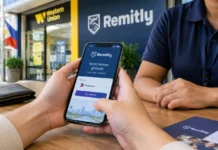
The verified 2026 mechanics across the guides and the community’s own records: open the wallet’s bills-payment section, select the agency (SSS/PhilHealth/Pag-IBIG classes), enter the reference number and the member’s stated amount, confirm, and — the step that fails first-time payers — **verify the OTP and the receipt**: the wallets’ verifications for contributions from abroad run on the registered Philippine mobile number, which is why the desk’s guidance keeps a roaming-capable SIM active before departure (the community’s own paid-through experience says the same: PayMaya and GCash class rails plus the roaming SIM carried the payments). The verification chain: the wallet’s receipt + the agency’s own portal check (the SSS’s posted PRN status, the Pag-IBIG’s Virtual portal ledger, the PhilHealth’s membership record) — a payment that posts to nobody’s record helps nobody; the records stay in the same folder as the claims documents below.
The Payment Calendar: How the Contributions from Abroad Line Up
The calendar decides more than any fee table because the three programs’ cycles don’t share a clock. SSS runs monthly on the PRN system – generate the PRN in the portal, pay it inside its validity window, verify it in the posted ledger; a missed window means a regenerated PRN next month. PhilHealth’s premium accepts the quarterly or semi-annual rhythm most wallets budget on – the 5%-of-income class prices quarterly in lump sums, which changes the remittance-splitting math: a quarterly lump funds through a mid-market lane (the large-tranche rule from the remittance guide), while the monthly SSS runs through the cheap daily rails. Pag-IBIG’s member schedules run on its own classes with the MP2’s ₱500 transaction floor beside them – the MP2 funding works whenever the remittance says so, which is the ladder’s quiet advantage. The system for the beginner: three calendar lines in one note – SSS monthly-with-window, PhilHealth quarterly-class, Pag-IBIG flexible – plus one verification habit per program, checked in the portals after every post. The contributions from abroad fail on calendars far more often than on fees; the note is the piece’s most practical page.
The Reimbursement Right on Contributions from Abroad
The advisory’s least-known clause, verbatim-class: “OFWs and dependents wherever they are abroad are entitled to avail benefits through reimbursement of confinements overseas of applicable PhilHealth All Case Rate.” The mechanics a beginner needs: the claim files within the 180-day window on the advisory’s terms (the document’s own rule for claims arising abroad); the documents run the classic set (the statement, the receipts, the medical certificate, the member’s PhilHealth records current at the confinement). The strategic reading: the 5% premium buys a real benefit overseas — and the benefit only exists while the contributions stay current, which loops every claim-risk argument back to the payment calendar: a lapsed member’s emergency abroad pays its own bills. The desk’s framing, no advice: the coverage-vs-premium trade is a household budget line — the boundary framework (the remittance risk-map’s rules) prices it against the family’s needs ledger.
The Relative-Payer Fallback for Contributions from Abroad
The route some households run: money goes home by remittance, and a trusted relative pays the three programs locally at the branches or through their own wallets. The verified mechanics: the relative needs the PRN-class references (the SSS-side PRN travels by chat; the Pag-IBIG account number travels; the PhilHealth’s member details) plus the receipts archived to the member — the failure mode is bookkeeping, not payments: contributions posted against wrong references, receipts lost, and the claim-time gaps that follow. The desk’s rule for the fallback: the receipt-forwarding habit (every payment’s slip photographed and sent same-day), the quarterly status check in the portals (the member verifies their own ledger, not the relative’s word), and the boundary rule — the relative-payer route must never carry loan money; the loan-legit-check framework covers the lending side of remittances.
What Would Change This Reading: the Invalidation Ledger
- The PhilHealth schedule moves: the 5%-of-income OFW class and its circular revision — any new advisory re-prices the PhilHealth leg same-day it publishes.
- The SSS MSC ladder changes: the ₱1,200-₱5,250 class numbers carry their own circular series — the desk’s coverage guide re-verifies on each change.
- The wallet rails change: GCash/Maya’s government bill-pay categories move with their own partner lists — a rail that disappears (or re-badges) re-verifies at the app itself.
- The advisory’s terms evolve: the reimbursement window and the documentation set — the July 2026 advisory is the current base; newer advisories replace it piece by piece.
What the Evidence Supports, by Reader Situation
Education desk, not an advisory service — decision inputs, never instructions.
- If you’re newly deployed (the first 90 days): the verified order for contributions from abroad: the SSS voluntary registration + the PRN flow, the PhilHealth 5% calendar fixed to your pay cycle, the Pag-IBIG account activated — all three through the portal rails, the SIM handled before the wallet’s first OTP.
- If your payments lapsed: the rails above still work; the programs’ own rules govern the gap treatment (the SSS portal shows the posted ledger; the PhilHealth’s records show the coverage state) — the recovery decision inputs live in the agencies’ own pages, not in folklore.
- If you’re the family-side payer: the reference-plus-receipt system is the whole game — and the member’s own quarterly portal check is the audit that keeps it honest.
FAQ
Can I pay SSS, PhilHealth and Pag-IBIG entirely online from abroad?
Yes – the contributions from abroad pay online in their current forms: SSS pays through the My.SSS portal’s PRN to its accredited channels; PhilHealth’s premiums pay through accredited collecting agents “both local and overseas” on the agency’s own advisory language; Pag-IBIG pays through Virtual Pag-IBIG and the wallet rails (GCash, Maya and the bank apps’ bill-pay classes). The verification habit: each payment’s own portal record, checked after the charge.
What is the PhilHealth OFW contribution in 2026?
The UHC Act’s Direct-Contributor rule prices OFWs at 5.0% of monthly income, payable monthly through annually per the schedule in PhilHealth Circular 2020-0005 (Revision 1) — restated for the current rules in the agency’s July 21, 2026 advisory (PA2026-0042). The same advisory carries the reimbursement right for confinements abroad.
Do I need a roaming SIM to pay the government programs from abroad?
The wallet rails’ verifications run on the registered Philippine number — the community-verified setup keeps a roaming-capable SIM active before departure so the OTPs arrive. The alternative: the portals’ own online-payment routes that verify by account rather than by SIM; whichever lane you ride, test one small payment before the deadline week.
Does PhilHealth cover hospitalization abroad?
Yes — by reimbursement: the advisory states OFWs and dependents abroad are entitled to reimbursement of overseas confinements at the applicable All-Case-Rate, with claims filed within the advisory’s window on the documented set (statement, receipts, medical certificate). The benefit rides on contributions being current.
Is it safe to let a relative pay my contributions at home?
The contributions from abroad can ride a relative’s hands safely under verified conditions: correct references (PRN/account numbers) for every payment, same-day photo receipts forwarded to you, and your own quarterly check of the agencies’ portal ledgers. The bookkeeping, not the payment, is where contributions from abroad fail under a relative’s hands — and loan money never rides the same channel.
How do the contributions connect to the savings programs?
SSS’s Flexi-Fund, Pag-IBIG’s MP2 and the savings wrappers all ride the rails this piece documents — funded after the household’s boundary is held, in the small-ticket order the desk’s guides teach: the liquid buffer first, the fixed layer (MP2) second, the retirement wrapper alongside.
Financial Disclaimer
This article is for general information and education only. It is not financial, investment, legal or tax advice, and it does not recommend any specific payment channel, program decision or financial product. Contribution schedules, payment rails and program rules change by circular and advisory without notice; every figure was verified against the agencies’ own pages and the cited dated sources as of November 2026 and must be re-confirmed on the official SSS, PhilHealth and Pag-IBIG portals before any payment or claim. WorldNgayon is not affiliated with the agencies named, and no content on this site should be acted upon without independent verification and, where appropriate, advice from a licensed professional.
- Official philhealth.gov.ph/advisories/2026/PA2026-0042.pdf — July 2026 advisory (PA2026-0042)
- sweldoph.com/guides/ofw-contributions — The verified 2026 mechanics across the guides
External sources linked in this article, in order of first mention. Spotted an error or a broken link? Tell us.
Cite this pagePublished Nov 1, 2026
Agron, E. (2026, November 1). How to Pay SSS, PhilHealth, and Pag-IBIG Contributions from Abroad (Online Payment Methods). WorldNgayon. https://worldngayon.com/ofw-contributions-from-abroad/
Agron, Edmon. “How to Pay SSS, PhilHealth, and Pag-IBIG Contributions from Abroad (Online Payment Methods).” WorldNgayon, 1 Nov. 2026, worldngayon.com/ofw-contributions-from-abroad/.
Agron, Edmon. “How to Pay SSS, PhilHealth, and Pag-IBIG Contributions from Abroad (Online Payment Methods).” WorldNgayon, November 1, 2026. https://worldngayon.com/ofw-contributions-from-abroad/.
Agron, E. (2026) ‘How to Pay SSS, PhilHealth, and Pag-IBIG Contributions from Abroad (Online Payment Methods)’, WorldNgayon, 1 November. Available at: https://worldngayon.com/ofw-contributions-from-abroad/.
E. Agron, “How to Pay SSS, PhilHealth, and Pag-IBIG Contributions from Abroad (Online Payment Methods),” WorldNgayon, Nov. 1, 2026. [Online]. Available: https://worldngayon.com/ofw-contributions-from-abroad/
@online{agron2026ofwcontributions,
  author       = {Agron, Edmon},
  title        = {{How to Pay SSS, PhilHealth, and Pag-IBIG Contributions from Abroad (Online Payment Methods)}},
  year         = {2026},
  date         = {2026-11-01},
  organization = {WorldNgayon},
  url          = {https://worldngayon.com/ofw-contributions-from-abroad/},
  urldate      = {}
}TY - ELEC AU - Agron, Edmon TI - How to Pay SSS, PhilHealth, and Pag-IBIG Contributions from Abroad (Online Payment Methods) T2 - WorldNgayon PY - 2026 DA - 2026/11/01/ UR - https://worldngayon.com/ofw-contributions-from-abroad/ Y2 - ER -
Cite the version you read; the page may be updated. Zotero and Mendeley can also import this page directly.