Key Takeaway
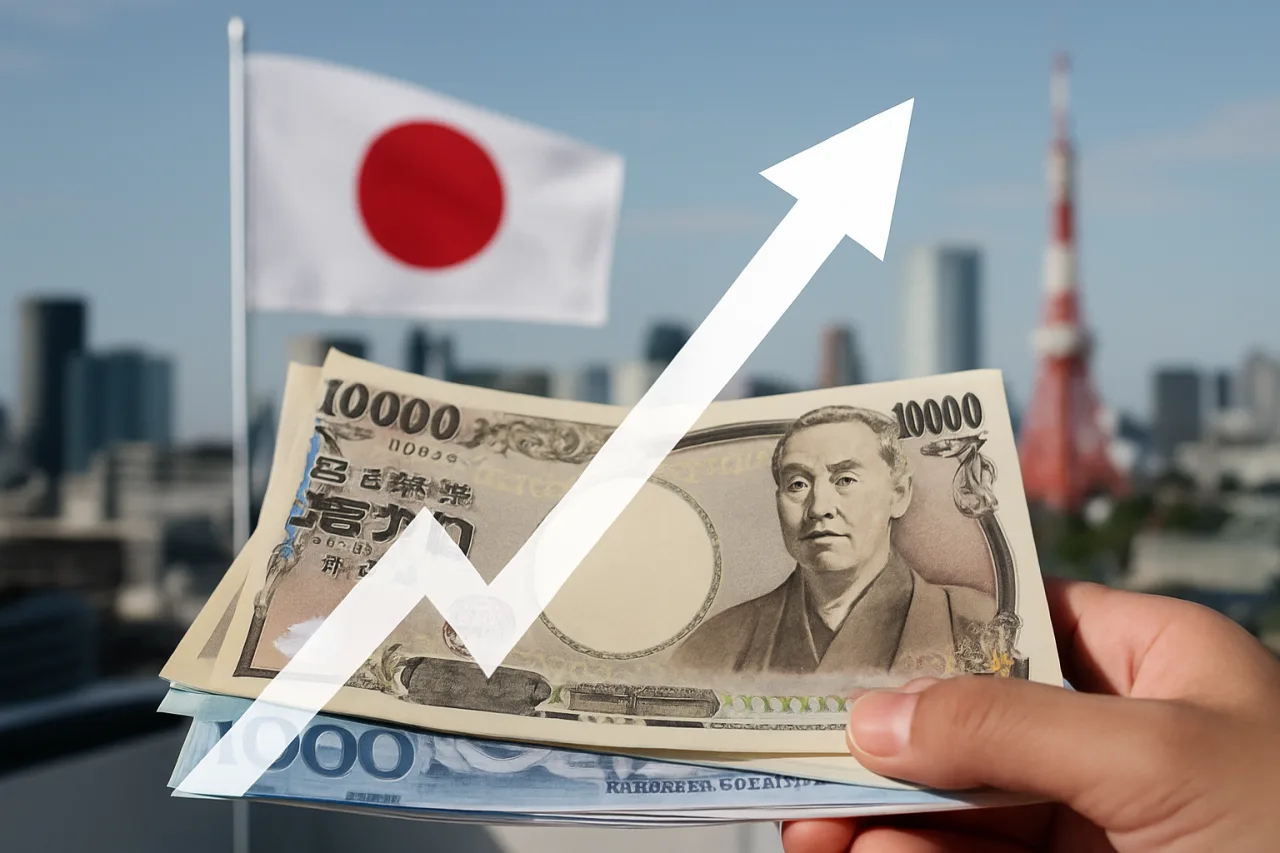
- 📈 The yen has strengthened into the JPY 60-something range against the peso’s soft dollar rate — meaning a ¥300,000 salary converts to more pesos this week than last month, a rare timing window for Japan-based OFWs.
- 🧮 The fee math stays the biggest lever: on a ¥300,000 send, provider spread and fees differ by ₱2,000-4,500 per send — more than the exchange move itself in a flat week.
- 📅 The seven yen remittance moves below cover send-timing, split-sending, fee-hunting, and the rate-alert setup that turns a strengthening yen into pesos automatically.
- 🇯🇵 The trend has a tailwind: analysts expect a stronger yen to lift Japan OFW remittances into year-end — your currency is appreciating while the peso holds near its record-low dollar level.
- 🔗 Builds on our remittance fee guide and ber-months plan — same discipline, Japan currency.
Table of Contents
Japan-based Filipinos have watched the weakest currency in the G7 spend most of a decade handing them less value per hour worked. That pattern just bent: the yen has been strengthening against the dollar through September, and with the peso stuck near its record-low dollar level, the yen-to-peso window has quietly opened. For a Japan OFW remitting ¥300,000 a month, this is not a rounding error — it is the difference between a ₱1,000 grocery top-up and nothing, every single month, purely from timing. Here is how to bank it.
Where the Rate Stands, in Plain Numbers
The mechanics: remittances convert yen → pesos, and peso-value depends on the JPY/PHP cross rate — which moves with the yen’s dollar strength and the peso’s own weakness. The peso has spent September near its all-time low around ₱62.4-62.5 per dollar, while the yen has climbed from the 150s toward the mid-140s against the dollar. The cross effect lands directly in your envelope: the same ¥300,000 that bought roughly ₱118,000-121,000 in early September now converts around ₱123,000-126,000 depending on provider — a swing of thousands of pesos per month from the currency alone. Nobody needs to trade forex to capture this; they need to stop converting on autopilot.
The Seven Yen Remittance Moves That Keep More Pesos
- 1. Set a rate alert, not a calendar. Your bank’s app or a tracker like the BSP’s reference-rate feed lets you ping when the JPY/PHP cross crosses a threshold you set (say, 0.42). Send when it pings, not when the month flips.
- 2. Split the send. In a strengthening-yen trend, sending 60% now and 40% on the next alert outperforms one lump conversion in roughly half the months — and never underperforms by much. The math of timing beats the comfort of routine.
- 3. Hunt the fee, always. Provider spread differs more than the rate does: on ¥300,000, the gap between the best and worst mainstream channels (bank wire vs digital remitter vs cash pickup) runs ₱2,000-4,500 per send. Our Wise fee analysis and transfer guide break the math; the yen move amplifies whichever channel you already chose.
- 4. Compare mid-market before you believe “zero fee.” Providers that claim zero fees earn it inside the rate. Check the mid-market JPY/PHP rate before lunch, then check what your provider actually delivers — the gap is the fee.
- 5. Use the ber-month tailwind deliberately. Family cash needs spike October-December (tuition second tranches, Christmas). The strengthening yen plus your alert system means you can pre-position: convert early when the window is good, park pesos in the family’s InstaPay-eligible account, and let October’s needs draw on it. Sending early at a better rate beats sending on time at a worse one — with the discipline rule that the parked money is already named for its purpose (our ber-months plan supplies the envelope system).
- 6. Check the receiving side. Fees don’t only live on the send side — some Philippine bank accounts charge receiving/remittance credit fees. If your family’s account credits remittances with a deduction, a receiving-friendly account (or a digital wallet credit) is worth the one-time switch.
- 7. Document everything for the tax and proof trail. Bigger sends at better rates mean bigger paper trails — keep the transaction receipts in the family’s document vault; they double as proof-of-support records for loans and visa renewals.
The Yen Outlook: What Analysts Expect Into Year-End
Currency forecasting is where precision goes to die, so here is the honest version: the yen’s strengthening run has multiple drivers — policy expectations, carry-trade unwinds, and safe-haven flows — and none of them come with guarantees. The Tribune’s own market coverage notes analysts expecting a stronger yen to boost Japan OFW remittance values into year-end — as Tribune reporting on the BSP data frames it, remittances are on track with the exchange tailwind, which is the tailwind working in your favor now. The professional move is not a prediction; it is a process: alerts set, fees minimized, sends split — so that whichever way the cross rate moves next, the family captures more of it than autopilot would.
The Tokyo Side: Where OFWs Actually Feel the Yen
Currency strength cuts both ways, and Japan-based readers live both sides. A stronger yen makes your imported groceries and that planned December trip slightly cheaper at home in Japan — imported inflation eases as the currency climbs. But your yen salary does not grow: the strengthening shows up when the yen leaves Japan, which is why remittance timing is the lever while lifestyle budgeting stays untouched. Japan OFW practicalities stack in your favor this window: many employers pay salaries on the 25th, which lands near the month-end rate fixing; setting your alert to trigger on the 26th rather than the 1st captures the payroll-day rate environment before it normalizes. The Japan OFW guide covers the broader landscape — visa classes, cost-of-living bands by prefecture — and this piece adds the one variable that guide could not: a moving currency.
The Family Conversation That Makes This Work
Every send-timing strategy fails the moment the family in the Philippines treats it as the sender’s private decision. The alert fires on a Tuesday; the tuition instalment is due the following week; the person who can say “send it now, hold the rest” is not the person holding the yen. Fix the information flow once: put the rate alert’s threshold in the family chat — a Matrix room if the family runs one — agree on the split rule (60/40 in a strengthening trend), and let whoever sees the ping trigger the send. The strongest remittance system in the world fails if the people on the receiving end learn about the plan after the fact. Two minutes of alignment saves a month of second-guessing — and that conversation is free.
The Three Mistakes That Cancel the Windfall
Mistake 1: waiting for a “better” rate forever. The perfect rate is visible only in hindsight; alerts plus split-sending capture most of the move without gambling the month’s budget. Mistake 2: switching channels mid-flight for a promo. A teaser rate that arrives after you’ve already funded a transfer is marketing, not savings — plan channels before funding. Mistake 3: ignoring the peso side. The family’s receiving account matters as much as the Tokyo side; a receiving fee of ₱200 per transaction quietly eats the yen’s gift. All three mistakes are habits, which means all three are fixable this week.
Frequently Asked Questions (FAQ)
- Q: Why is the yen strengthening in 2026?
- A combination of policy expectations and global money flows — carry-trade unwinds and rate-expectation shifts have lifted the yen from the 150s toward the mid-140s against the dollar through September. The exact path forward is uncertain; the window is real.
- Q: What is the best way to send yen to the Philippines?
- The channel with the lowest total cost (rate spread + fixed fee) for your amount — typically digital remitters or multi-currency services beat bank wires on ¥300,000-sized sends. Compare on a rate-comparison day, not a promo day.
- Q: Should I send now or wait for a better rate?
- Split: send part now if the family budget needs it, keep the remainder on a rate alert. Waiting forever is the classic mistake; alerts convert the question from guessing to triggering.
- Q: Does a stronger yen mean Japan OFW salaries are worth more?
- In peso terms, yes while the window holds — the same yen salary converts to more pesos. It does not change what the salary buys in Japan, where a strong yen makes imported goods cheaper but life costs unchanged.
- Q: Where should the family park pesos between needs?
- An InstaPay-eligible account that earns interest — our InstaPay and PESONet guide covers the account types, and the MP2 calculator covers the longer-term savings layer.
Financial Disclaimer: This article is for general information only and is not financial advice. Exchange rates move constantly; verify current rates and fees with your provider before sending money.