Key Takeaway
- One vendor system took half a sector’s payroll offline. MUIS confirmed on 17 September 2026 that a cybersecurity incident at software vendor Avelogic hit the shared HR and payroll platform serving the 48 Singapore Mosques, four madrasahs, the Islamic Learning Hub and Management Office (ILHAM) and Mosque-Madrasah-Wakaf Shared Services (MMWSS).
- Backups were not a safety net. Avelogic’s 7 September 2026 incident notice said its SQL databases and attached backup sets were encrypted, leaving no recovery point and pushing accounting staff at affected institutions into manual salary processing.
- No ransom was paid, and no bulk theft is evidenced so far. A police report was filed on 31 August 2026, the Personal Data Protection Commission (PDPC) was notified, and independent forensics by Black Panda found no evidence of bulk data exfiltration across the confirmed 30-31 August threat-actor window.
- Payroll data was the exposure. The system is believed to have contained the names, contact details, salaries and bank account numbers of staff at the Singapore Mosques affected, though core sensitive fields were protected by application-layer encryption.
- The system is back online. Avelogic’s notice, last updated 24 September 2026, lists full restoration for the 48 Singapore Mosques and other affected clients while the PDPC investigation continues.
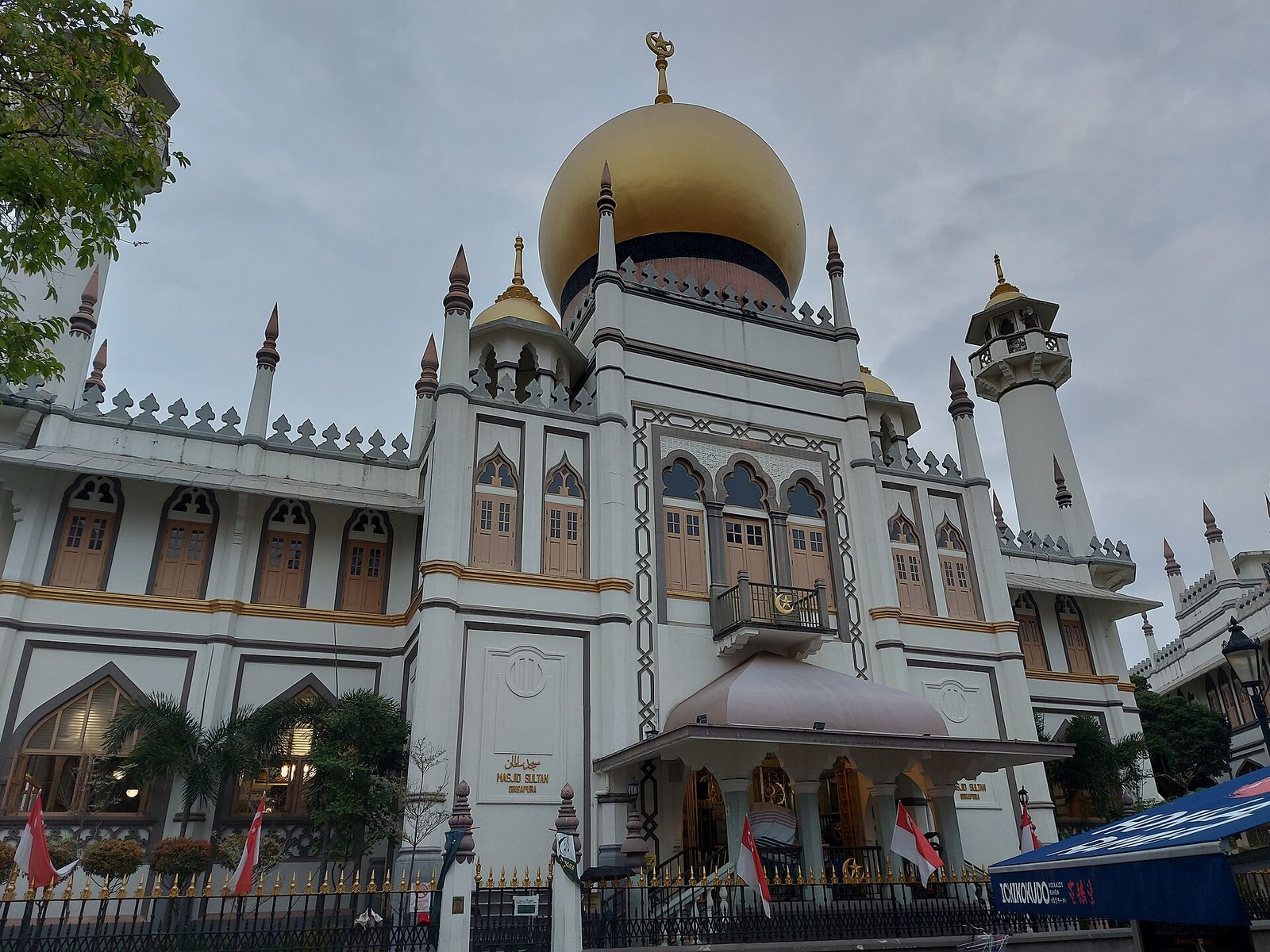
A payroll server is an unglamorous machine right up until it stops working. When ransomware swept through SmartHRMS, a shared HR and payroll platform run by Singapore-based vendor Avelogic, the blast radius landed not on one organisation but on the 48 Singapore Mosques, four madrasahs, ILHAM and MMWSS – the community-sector roster that the Islamic Religious Council of Singapore (MUIS) confirmed in a media statement on 17 September 2026.
For most of a month, salaries at institutions that congregants rely on every week were processed by hand while investigators worked out what had moved through the vendor’s network. What happened to the Singapore Mosques’ payroll in those weeks is the clearest local case study yet in vendor-concentration risk for small institutions.
Table of Contents
What MUIS Confirmed About the Singapore Mosques Ransomware Incident
The confirmed timeline starts before the public knew. Avelogic’s incident notices state that threat-actor activity on SmartHRMS was first detected on 30 and 31 August 2026, and the vendor’s 7 September notice disclosed that its SQL databases and attached backup copies had been encrypted.
That 7 September notice left the company with no recovery point and made data theft impossible to rule out because of unexplained outbound transfers. MUIS stayed silent when The Straits Times first reported the story on 15 September 2026, then issued its own media release two days later naming the affected community-sector organisations: 48 mosques, four madrasahs, ILHAM and MMWSS.
The Cyber Security Agency of Singapore (CSA) said on 17 September that it was aware of the incident and had reached out to MUIS to offer assistance. The Singapore Police Force confirmed a report had been lodged with investigations ongoing, and a PDPC spokesperson said the commission was investigating the data breach notification Avelogic filed in its capacity as a data intermediary.
Avelogic’s 24 September update closed out the technical questions. It cited police report reference L/20260831/7082 and an independent forensic investigation commissioned with cybersecurity firm Black Panda on 3 September and finalised on 16 September, finding no evidence of bulk data exfiltration on available network telemetry for the confirmed threat-actor window. The notice now marks system status as full restoration with services available.
Two details deserve emphasis. First, the affected list is institution-level: not one server but the 48 Singapore Mosques and four madrasahs named by MUIS.
Second, MUIS’s containment posture – the system resumes operations only after the relevant safeguards and checks are completed – is what every organisation outsourcing payroll should expect from its vendors as the default, not the exception.
For context, read CSA’s October advisory wave — the regulator’s feed caught this class of infrastructure targeting again this month.
One Payroll System for the Singapore Mosques: How the Vendor Risk Concentrated
SmartHRMS is a cloud HR and payroll product that Avelogic markets to small and medium enterprises, described by the vendor as Singapore’s CPF-compliant payroll and HR platform handling payroll, leave, claims and self-service in one integrated system.
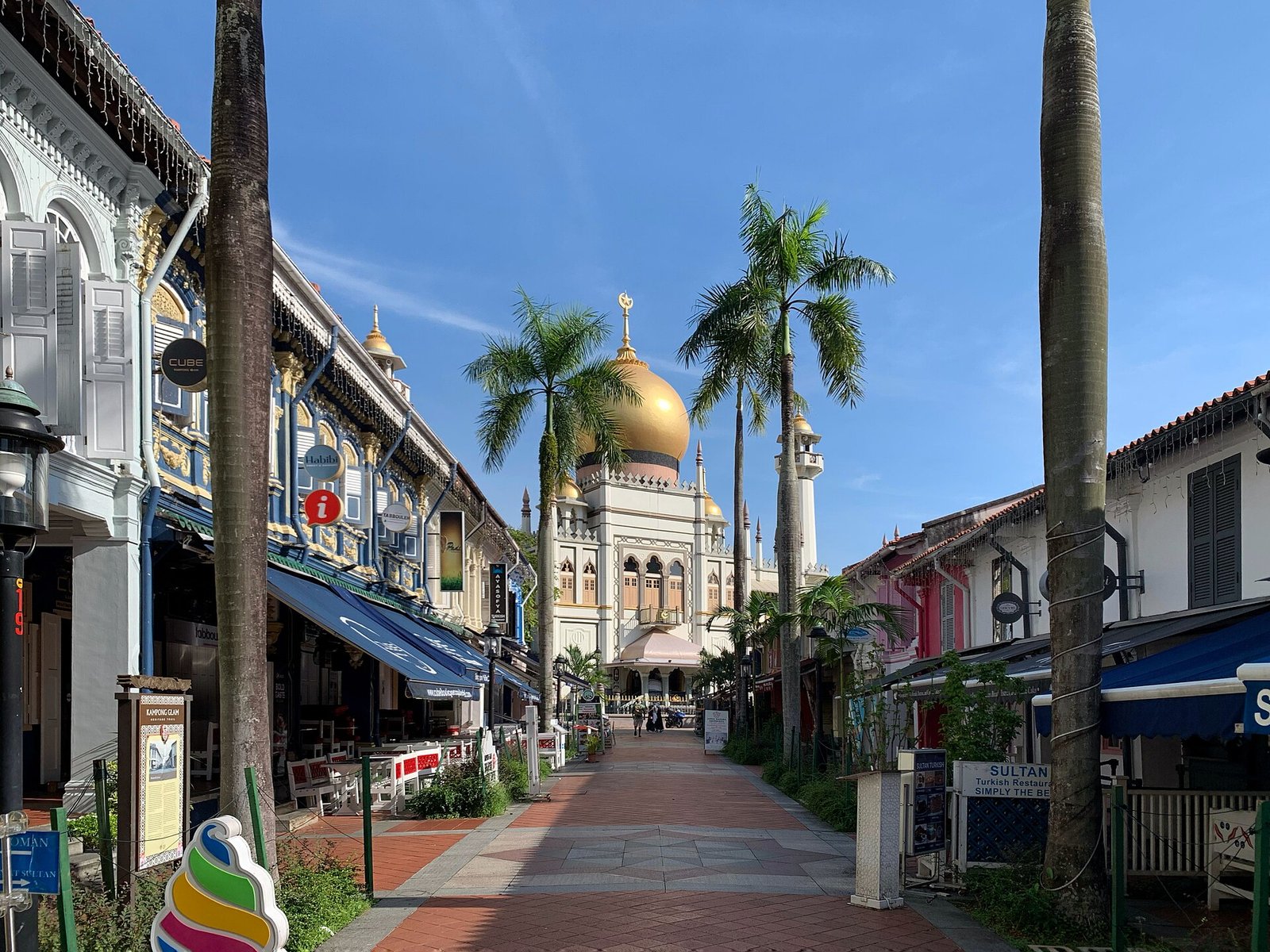
In the mosque community it was not procured mosque by mosque. MMWSS, a committee under MUIS, supplied the system to religious institutions, and per its own website as reported by The Straits Times the committee handles accounts for 69 of Singapore’s 72 mosques and three madrasahs. Those are the plumbing numbers; the 48 Singapore Mosques figure MUIS confirmed is the incident-specific affected list. CSA’s Singapore Cyber Landscape 2025/2026 report has warned repeatedly that small organisations are increasingly hit through their service providers rather than their own front doors, and this incident is that warning made concrete.
The architecture is rational, which is the uncomfortable part. A mosque with a handful of employees cannot each run payroll engines, CPF filing integrations, leave systems and audit trails, yet the Singapore Mosques’ institutions must still pay salaries accurately and on time. Pooling those functions in one committee-managed platform keeps costs down and keeps reporting consistent across the sector – until that shared spine becomes a single point of failure carrying every institution’s staff records, salary schedules and bank account numbers in one database.
The blast-radius mechanics played out the way a supply-chain risk model predicts. Production databases and their backups were encrypted together, so there was no clean copy to fall back on. Accounting staff locked out of the system found themselves generating payslips by hand, according to an employee account quoted by The Straits Times.
The trust damage spread wider than the technical damage, because congregations never chose the vendor that held their religious teachers’ bank details. The Singapore Mosques affected did not lose their buildings, their congregations or their services – what they lost, for weeks, was the automated machinery behind every payslip.
What the Payroll Breach Means for the Employees of the Singapore Mosques
For staff, the stakes are unusually concrete because the exposure sits at the intersection of personal data and money movement. The Straits Times reported that the compromised system is believed to have contained employees’ names, contact details, salaries and bank account numbers.
Avelogic says the affected databases held customer employee records, payroll history and leave data, and that core sensitive fields within SmartHRMS remained protected by application-layer encryption – a control that limits what a thief could realistically read from the encrypted stores.
Each data category has its own abuse path. Names paired with phone or email contact details fuel phishing that can quote real details, which is exactly the vector Avelogic’s notice warns clients about: treat any unsolicited communication referencing this incident as unverified until confirmed through official support channels.
Salary figures and bank account numbers point at payment-diversion fraud, where a scammer impersonates a payroll officer, asks an employee to update their account details, and harvests the next salary payment. Payroll history and leave data round out the social-engineering picture – a caller who knows your salary date and leave balance is difficult to doubt. The Singapore scam statistics for 2026 show how much economic loss flows through exactly these social channels rather than through technical exploits.
What the investigation has not produced is an all-clear. No bulk exfiltration on available telemetry is a meaningful result, not a lifetime guarantee: it covers the confirmed 30-31 August actor window and the logs retained, not every path data could have taken unseen.
Until the PDPC states an outcome and any affected-individual count is published, employees at the Singapore Mosques should act as if their details circulate. That means monitoring bank statements, treating salary-update or re-registration requests as unverified until confirmed out-of-band, and asking their institution’s administration what data of theirs sat in the system.
Institutional Trust After a Shared-System Breach
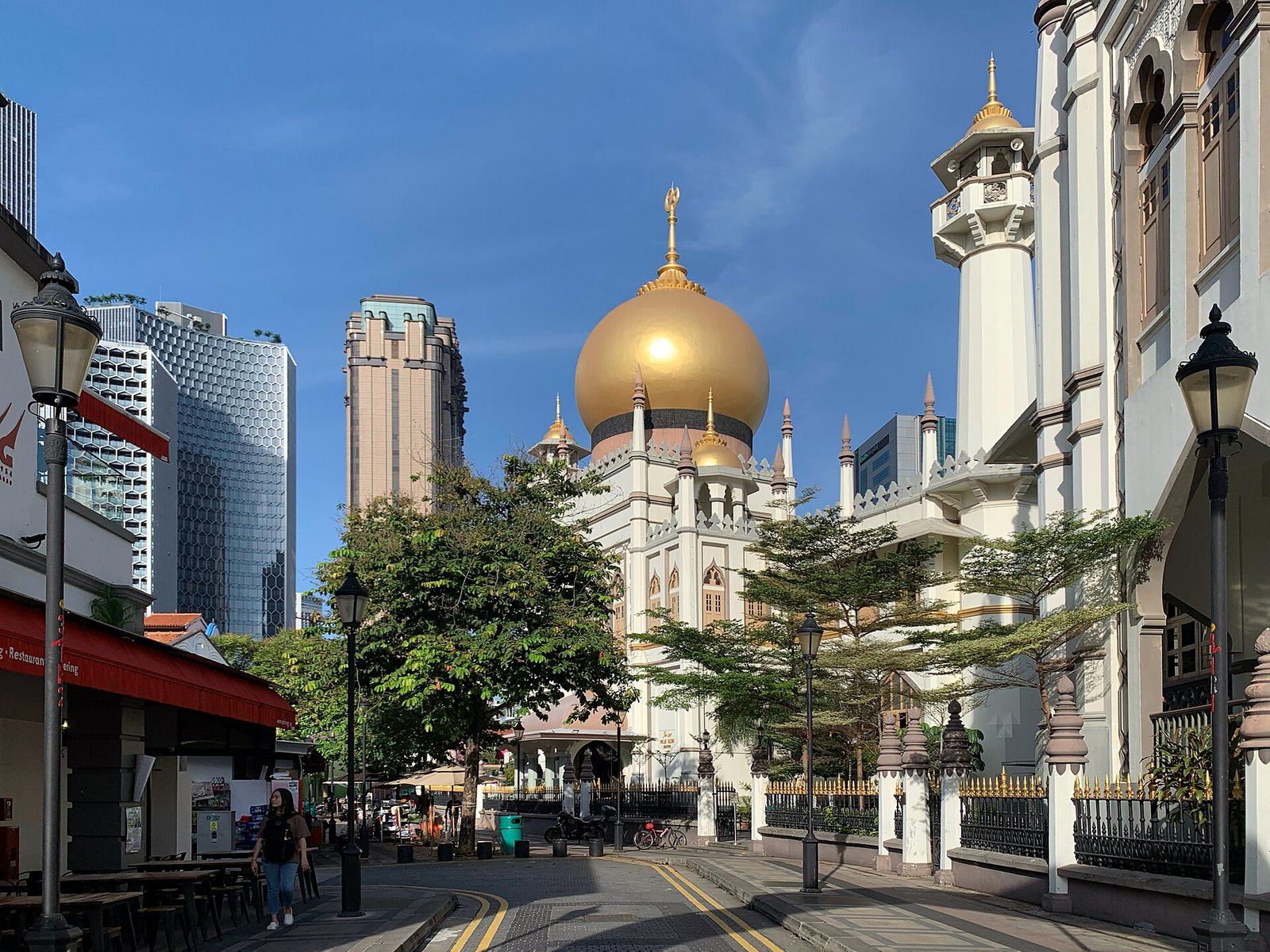
For boards and administrators of religious and community institutions, the case turns vendor management from paperwork into duty of care. The 48 Singapore Mosques affected by this incident did nothing wrong that the public record shows, and yet they absorbed the consequences of a vendor environment they do not operate. That asymmetry is the design flaw to correct.
Institutions should know which vendor holds which staff data; confirm encryption at rest, in transit, and where decryption keys sit; require immutable backups the vendor’s production environment cannot touch; put breach-notification timelines into contracts; and keep an exit path so payroll can survive its provider’s worst week. MUIS’s bar – no resumption until safeguards and checks complete – is the new baseline.
Singapore has rehearsed this pattern before in adjacent sectors. When vendor-held personal data surfaces in an incident, the policy question is rarely whether encryption existed; it is who bears the burden of proof, who notifies whom first, and how quickly the affected people learn. The SIMBA-adjacent NRIC exposure episode pushed those questions into the national conversation, and this case adds a fresh dimension: the exposed data is not just identity, it is a payment address.
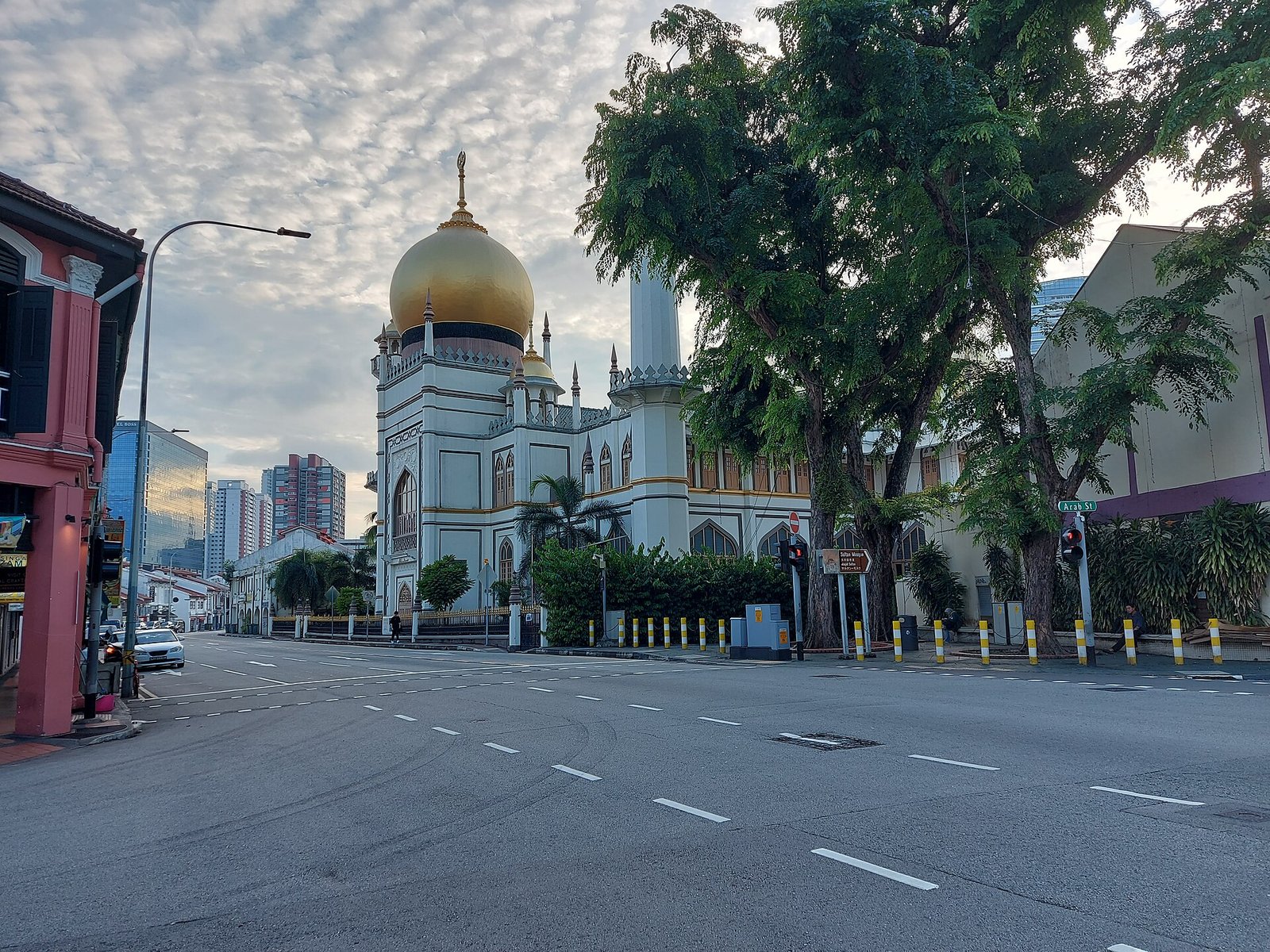
What Each Audience Should Do Now
Employees at affected institutions
Watch bank statements for unfamiliar debits, especially around salary dates. Confirm your bank’s real-time transaction alerts are on. Treat any message about this incident – re-registration links, salary-update forms, HR surveys – as unverified until confirmed through a channel your institution already controls, because restoration flows like Avelogic’s re-registration emails are exactly the pretext phishers copy. Report anything suspicious to your bank first, then to the ScamShield helpline at 1799 or the police.
Administrators and boards at the 48 Singapore Mosques
Run a vendor-access review this quarter: who at the vendor can reach your HR data, under what authentication, with what logging. Confirm your own backup posture independent of the vendor’s systems, review incident-notification clauses in every current contract, request the vendor’s post-incident hardening summary, and rehearse the manual-payroll scenario the sector just lived through so it stays a plan rather than a scramble.
Small businesses watching the news
The lesson generalises beyond mosques. Map your single points of failure and ask what happens if each disappears overnight. Test restores annually, keep backup credentials isolated from production identities, and treat a vendor’s encryption claim as something to verify, not assume.
One honest corridor note: neither MUIS nor Avelogic has published the nationalities of the affected staff, so there is no evidence yet of Filipino workers among the exposed employees, and this story’s Filipino or OFW angle stays thin pending disclosure. The pattern still travels: Filipino-run businesses and OFW households dealing with Singapore sit on outsourced payroll stacks where one vendor’s weakest link becomes every employee’s problem.
What to Watch From Here
Four threads remain open. First, the PDPC’s investigation: the commission has said it is examining Avelogic’s breach notification, and any published outcome or enforcement would set the compliance reference point for every similarly structured HR vendor in Singapore.
Second, CSA follow-through for the Singapore Mosques and the wider community sector: the agency offered assistance on 17 September, and a published advisory or update would formalise the lessons. Third, attribution and root cause: the ransomware family has not been publicly named and the initial access path remains undisclosed, so any future identification would fill the only major factual gap in the record.
Fourth, the human ledger: no count of affected individuals has been published, and if MUIS or the vendor discloses one, the 48 Singapore Mosques affected becomes a person count rather than an institution count – the number that would finally size the risk for the staff involved.
FAQ
Were 48 mosques and four madrasahs hacked directly?
No. The ransomware hit Avelogic’s SmartHRMS, the shared HR and payroll platform, and MUIS named the 48 Singapore Mosques and four madrasahs among the community-sector organisations affected when it confirmed the incident on 17 September 2026. The council stressed that religious and public-facing services were not disrupted and that alternative payroll arrangements kept salaries on schedule.
Was employee data stolen from the Singapore Mosques’ payroll system?
Independent forensics found no evidence of bulk data exfiltration across the confirmed 30-31 August 2026 threat-actor window, based on available network telemetry, and core sensitive fields were application-layer encrypted. Theft has not been fully ruled out and the PDPC investigation is ongoing, so the finding is best read as evidenced absence rather than certainty.
Did MUIS pay the ransom demand?
No. MUIS’s 17 September 2026 statement says a police report was made and no ransom was paid, and the vendor separately recovered the latest data set during remediation.
Is the payroll system working again?
Yes. Avelogic’s notice updated 24 September 2026 lists full restoration with services available, and clients receive re-registration emails to restore account access. The Singapore Mosques’ payroll spine returned after the forensic investigation concluded, consistent with MUIS’s earlier position that the system would resume only after safeguards and checks were completed.
About This Analysis
This report draws on MUIS’s media release of 17 September 2026 on muis.gov.sg, Avelogic’s SmartHRMS incident notice last updated 24 September 2026, CNA’s report of 17 September 2026 and The Straits Times’ reporting of 15 and 17 September 2026.
The employee guidance, institutional checklists and watchlist are Worldngayon analysis built on that sourced timeline, not vendor or authority statements. No total of affected individuals has been published at the time of writing, and nothing here should be read as an allegation against any individual institution named or unnamed.