Key Takeaway
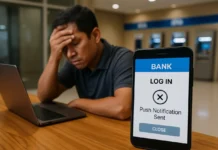
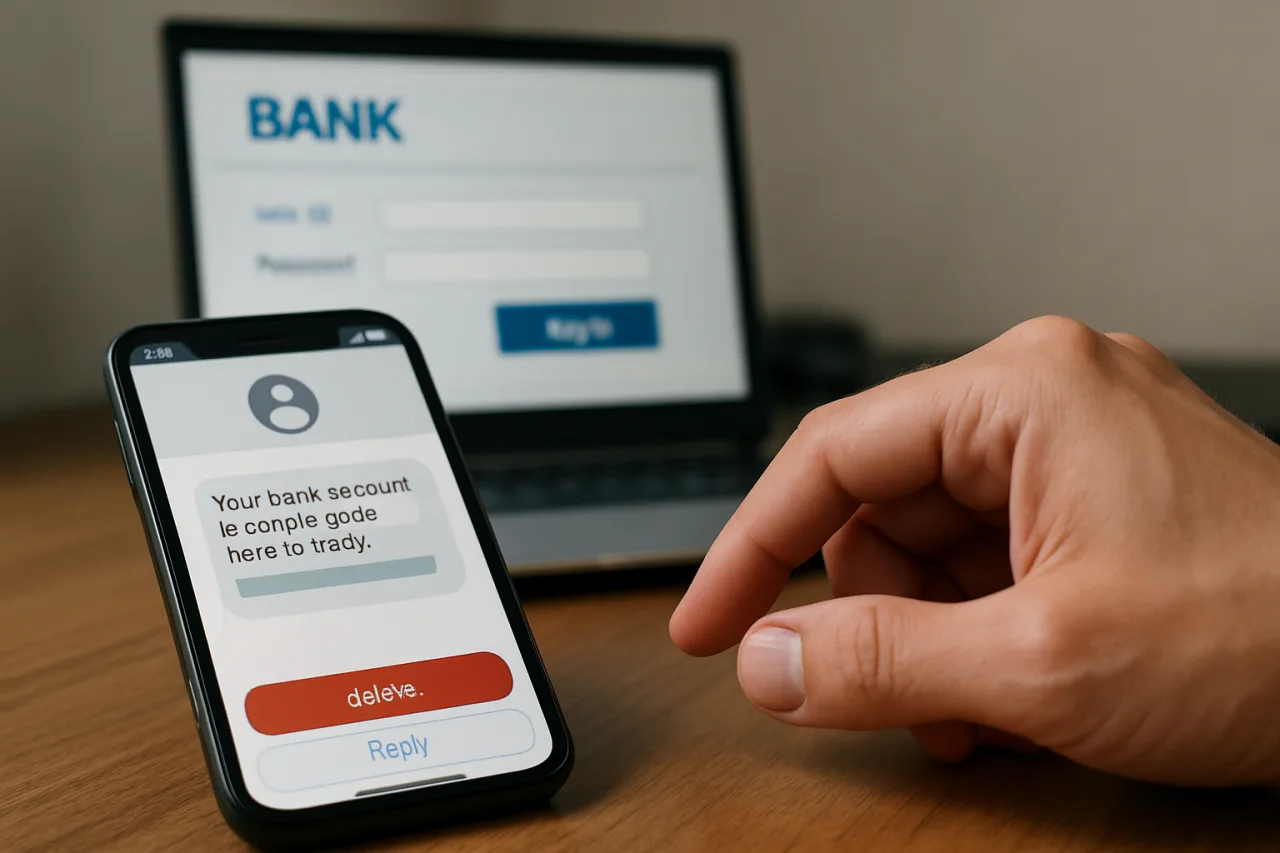
- 📵 Your bank never texts links. Neither does GCash, Maya, the BIR, DHL, or LBC — treat every texted link as a smishing attack until proven otherwise.
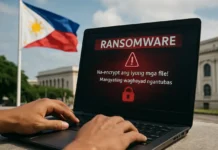
- 📈 Philippine phishing sites jumped 423% in one year (731 → 3,824 per Check Point), and text scams are the delivery van.
- 🎙️ Voice cloning made vishing lethal: attackers need seconds of audio to fake a loved one’s voice — 95% of vishing attacks exploit obedience to authority.
- 👨👩👧 A family safe-word beats every deepfake: one shared code word nobody texts, said only face-to-face or on a verified call-back.
- 🚫 The 9 rules in this guide — never-share-OTP, call-back verification, link discipline — plus the 1326 hotline close the loop from detection to reporting.
Your bank never texts links. Neither does GCash. Neither does Maya, the BIR, LBC, J&T, or your office HR. Scammers spend their working hours betting that you will forget that one sentence at the exact moment a text arrives that looks, feels, and times itself like the real thing. Smishing (scam SMS) and vishing (scam voice calls) are now the two most common ways Filipinos lose money to criminals who never touch a line of code — Check Point counted 423% more phishing sites targeting the country in a single year, and the texts and calls they power are smishing and vishing in their purest form, and AI voice cloning has turned the phone call into a weapon your ears alone cannot defeat. Here is the complete defense: nine rules, one family protocol, and the official reporting path that actually gets results.
Table of Contents
What Smishing and Vishing Actually Are
Smishing and vishing are the two halves of the same confidence game. Smishing is phishing carried by SMS: a text that impersonates a bank, government agency, courier, or person you trust, engineered to make you click a link, share a code, or send money. Vishing completes the pair — the same confidence game by voice — a caller wearing a bank’s name, a government office’s authority, or now, thanks to AI voice cloning, a family member’s actual voice.
Both smishing and vishing attacks are social engineering: the vulnerability they exploit is not your phone’s software but your reflexes. Research compiled in 2026 smishing and vishing analyses found that 95.3% of voice phishing attacks lean on obedience to authority — the caller claims to be the bank’s fraud department, the NBI, the BIR — and that victims rate robot-voiced attacks as realistic two-thirds of the time. That was before the current generation of cloned voices, which one 2026 report found now touches 1 in 4 Americans — the technology costs nothing to abuse, and Philippine victims are already reporting the losses.
Why the Attacks Are Winning in 2026
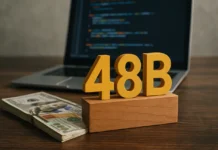
Three forces are pushing smishing and vishing to record levels, and they converged at once. First, scale: Check Point Research documented Philippine phishing websites exploding from 731 to 3,824 in a year — a 423% surge targeting Filipino mobile users — with SMS as the preferred delivery channel because texts land inside the same inbox as legitimate OTPs. Second, data: years of breach leaks mean scammers greet you by name, cite your old address, or reference a real order. Third, AI: cloned voices need seconds of social-media audio, and the losses are following the tooling — generative-AI-enabled fraud is projected to reach $40 billion in losses by 2027.
Rule 1: Banks Never Text Links. Ever.
Memorize this one sentence and half of all smishing dies on arrival. No Philippine bank, e-wallet, or government agency sends clickable links by SMS asking you to “verify,” “unlock,” “claim,” or “update.” The legitimate versions of those messages exist — they just never carry a link to a login page. When you need the app, open it from your home screen. When you need the website, type the address yourself. The link in the text is the attack; everything else is decoration.
Rule 2: The OTP Is a Blood Type — Never Give It Out
Globe’s own advisory puts it in absolute terms: telcos, banks, and legitimate institutions will never ask for your OTP — never share it. An OTP is not a password you type into a form; it is the final key to your money, and the only person who ever needs it is the person completing a transaction you initiated on your own screen. Any caller or texter who asks for the six digits — “for verification,” “to cancel the transaction,” “to confirm your identity” — is the scammer. Our SIM swap defense guide covers the even darker version: thieves who skip asking entirely and steal OTPs straight from a hijacked SIM.
Rule 3: Hang Up and Call Back on the Official Number
Vishing survives on a one-way phone line: the caller dials you, you cannot verify them. Break the asymmetry. When a “bank agent” calls about a suspicious transaction, hang up and dial the number printed on your card or the bank’s official website. Genuine fraud teams exist on both ends of that callback; scammers exist only on the first one. The same rule governs “government” calls — the BIR, SSS, and NBI publish their official trunklines, and none of them arrest people by phone. Caller ID proves nothing in 2026; spoofing is a cheap subscription away.
Rule 4: The Family Safe-Word Against Smishing and Vishing
AI voice cloning turned “I know it sounded like my son” into a legitimate defense strategy, so beat the clone with a protocol no recording can fake. Agree with family — especially parents abroad and children at home — on one code word, never posted, never texted. Any money or emergency request that arrives by call, text, or voice note must pass the safe-word test, spoken live. No safe-word, no transfer — even if the voice is perfect, even if it cries, even if it knows the family’s inside jokes. Voice is data now; only shared secrets stay human. This pairs with the verification habits in our AI voice cloning guide and covers the “boss texting from a new number” pattern documented in our Viber scam defense piece.
Rule 5: Urgency Is the Tell in Every Smishing and Vishing Script
Smishing scripts share a clock: “account closes in 24 hours,” “package returns to warehouse today,” “warrant being filed unless you call now.” Real institutions move on business timelines — letters, notices, grace periods. Manufactured urgency exists to make you act before you verify. The moment a message demands action inside hours, flip to Rule 3’s callback and let the deadline die. Nothing legitimate evaporates because you took fifteen minutes to check.
Rule 6: Shortened Links and Misspelled Senders
Two technical tells survive every costume. Shortened links (bit.ly, t.co, tinyurl) hide the destination — on a phone, long-press the link to preview the real URL before any tap. And read the sender: official PH banks send from registered sender IDs, not random +63 numbers; “Globe” from a personal-looking number is not Globe. Misspellings and lookalike domains (gcash-rewards.site, b1r-gov.ph) are the classic markers, and the volume is industrial — the same 423% surge powers both the smishing texts and the fake sites they point to.
Rule 7: Never Remote-In for a Stranger
The smishing and vishing evolution nobody warns the family about: the caller no longer asks for your password, they ask for access. “Our IT team will fix your phone,” “install this app so we can process your refund” — screen-sharing and remote-control apps hand over your entire device, banking apps included, while you watch yourself being robbed politely. No legitimate institution remote-installs software on a customer’s phone. Refuse, hang up, report. The same instinct protects you from the fake-app playbook documented in our Android banking trojan guide.
Rule 8: Report Every Attack — 1326
Reporting is the disarm mechanism for both smishing and vishing. The NTC’s 1326 hotline accepts reports of both smishing and vishing attacks, and telcos act on confirmed numbers — blocking and flagging at network level. For each attack, forward the text (or note the number), report to 1326, and file through your telco’s official spam-report channel. For larger losses, the paper trail continues at the NBI Cybercrime Division and the DOJ Office of Cybercrime. Reporting an attack takes two minutes and raises the cost for the entire scam farm behind your number.
Rule 9: If You Bit — the First Ten Minutes
- Clicked the link and entered details? Change that password immediately from the official app, and everywhere you reused it.
- Shared an OTP? Call the bank’s official hotline now, freeze the account, dispute any movement.
- Sent money? Report to the receiving provider’s fraud line within the hour — early freezes sometimes catch funds before withdrawal.
- Installed their app? Uninstall, then run the trojan quarantine sequence.
- Warn your circle: your number is now on a “responsive victim” list, and follow-up attacks arrive within days.
Frequently Asked Questions
What is the difference between smishing and vishing?
Smishing is phishing delivered by SMS — scam texts with links, codes, or payment demands. Vishing is the same social engineering by voice — scam phone calls impersonating banks, agencies, or now AI-cloned family members. Both exploit trust and urgency rather than software flaws, so both fall to the same defenses: verify through official channels, never share OTPs, never trust the incoming line.
How do I report scam texts in the Philippines?
Forward the scam text or call details to the NTC’s 1326 hotline, report the number through your telco’s official spam-report channel, and for financial losses file with the NBI Cybercrime Division or DOJ Office of Cybercrime. Screenshot everything first — the number, the message, the timestamps — because reports with complete evidence move fastest.
Can AI really clone a voice from a few seconds of audio?
Yes — modern tools need seconds of clean speech to produce a convincing clone, and social media supplies that audio for free. This is why the family safe-word matters more than any detection trick: you cannot reliably hear a fake voice in 2026, but a scammer also cannot produce a code word nobody ever wrote down.
What do I do if I already gave my OTP to a scammer?
Call your bank’s official hotline immediately — the number on your card — report the OTP as compromised, and request an account freeze and dispute of any transactions. Then change the account password from the official app and enable app-based 2FA so the stolen session dies. Speed in the first ten minutes decides most outcomes.
Are links in text messages ever legitimate?
Rarely — and never for logging into money or government accounts. Some legitimate messages include links to tracking or promo pages, but the safe habit is to open the official app or type the website yourself. Treat every texted login link as smishing by default; the cost of typing the address manually is seconds, while the cost of one wrong tap is your account.
Why do scammers know my name and address?
Years of data breaches and SIM-registration leaks put real identity data in scammer databases, which is why texts now greet you by name and cite real details. Personalization is not proof of legitimacy — it is proof your data leaked somewhere, and a reason to harden every account that shares those details.
Final Word: One Sentence Between You and the Scam
Smishing and vishing win on borrowed trust — the bank’s name, the government’s authority, the family member’s voice. Every defense in this guide reduces to taking that trust back: banks never text links, OTPs never leave your hands, callers get called back on official numbers, and the family safe-word stays off every channel a scammer can touch. Practice the nine rules until they are reflexes, report every attack to 1326, and the 423% surge finds your number closed for business.