Table of Contents
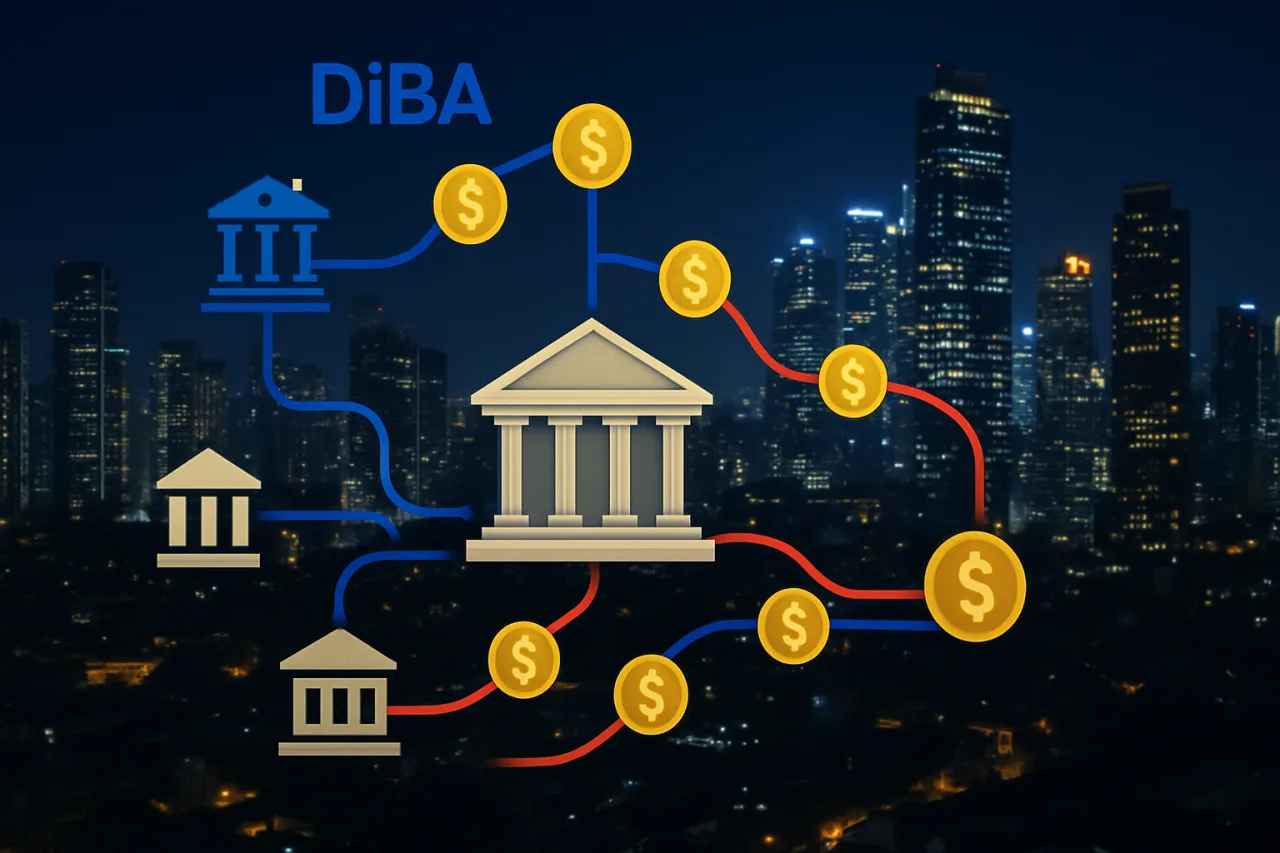
DiBA PH fintech initiatives are reshaping Philippine digital finance. The Digital Bank Association of the Philippines (DiBA PH) and FintechAlliance.ph, in consultation with BSP, unveiled three major industry initiatives to scale financial health and digital inclusion. These joint initiatives — announced at the Singapore Fintech Festival — signal a new phase of cooperation between regulators, digital banks, and fintechs in the Philippines.
Key Takeaway
- 🎯 DiBA PH and FintechAlliance.ph announced 3 joint initiatives with BSP consultation: The initiatives focus on financial health, digital inclusion, and industry coordination — bringing together digital banks and fintechs for innovation, behavioral design, and policy alignment.
- 📊 The 2nd DiBA PH Financial Health Survey findings were released alongside the initiatives: The survey provides data on Filipino financial health that will guide the industry’s approach to digital inclusion and product design.
- 💼 The initiatives align with BSP’s Financial Inclusion Strategy and the Philippine Development Plan: This regulatory-fintech coordination ensures that private innovation serves public policy goals — especially reaching the 44% unbanked population.
- 🔧 The initiatives were announced at the Singapore Fintech Festival, signaling regional ambition: DiBA PH fintech initiatives are positioned not just for the Philippine market but for ASEAN-wide digital finance coordination.
- ⏱️ The three pillars are innovation, measurement, and regional collaboration: Together they create a framework for sustained, evidence-based digital finance growth that goes beyond individual company goals.
The DiBA PH fintech initiatives represent a significant shift in how the Philippine digital finance industry organizes itself. Rather than each digital bank and fintech operating independently, DiBA PH and FintechAlliance.ph are coordinating with BSP to create industry-wide standards and initiatives that benefit the entire ecosystem.
FutureCFO reports that the Digital Bank Association of the Philippines (DiBA PH) and FintechAlliance.ph, in consultation with the Bangko Sentral ng Pilipinas (BSP), unveiled three major industry initiatives to scale gains across the industry. The DiBA PH fintech initiatives were announced at the Singapore Fintech Festival and seek to advance financial health and digital inclusion in the Philippines.
For Filipino consumers, OFW families, and the broader digital economy, these initiatives matter because they shape how digital banks and fintech companies design products, measure impact, and coordinate with regulators.
The Three DiBA PH Fintech Initiatives
| Initiative | Focus Area | What It Means for Filipinos |
|---|---|---|
| Innovation | Behavioral design for financial products; user-centered fintech development | Better-designed financial products that actually help users save, borrow, and invest wisely |
| Measurement | 2nd DiBA PH Financial Health Survey; industry-wide impact metrics | Data-driven approach to understanding Filipino financial health and tracking progress |
| Regional collaboration | ASEAN-wide digital finance coordination; cross-border payment integration | Lower remittance costs; easier cross-border transactions for remote workers and OFWs |
The Organizations Behind the DiBA PH Fintech Initiatives
| Organization | What They Do | Role in the Initiatives |
|---|---|---|
| DiBA PH | Digital Bank Association of the Philippines; industry body for digital banks | Represents digital banks; drives industry standards; conducts Financial Health Survey |
| FintechAlliance.ph | Industry association for fintech companies; 50+ member companies | Represents fintechs; drives innovation; connects startups to regulatory framework |
| BSP | Bangko Sentral ng Pilipinas; central bank and regulator | Provides regulatory consultation; ensures alignment with Financial Inclusion Strategy |
The 2nd DiBA PH Financial Health Survey
A key component of the DiBA PH fintech initiatives is the 2nd Financial Health Survey. This survey provides industry-wide data on Filipino financial health — measuring how well Filipinos are saving, borrowing, and managing money through digital channels.
| Survey Dimension | What It Measures | Why It Matters |
|---|---|---|
| Spending | How Filipinos manage daily expenses through digital channels | Identifies patterns; guides product design |
| Saving | Whether Filipinos save through digital bank accounts and wallets | Measures financial inclusion progress |
| Borrowing | Access to credit through digital lending platforms | Identifies gaps in credit access |
| Protection | Insurance and financial protection through digital channels | Measures resilience to financial shocks |
| Planning | Financial planning and investment behavior | Identifies opportunities for investment products |
How DiBA PH Fintech Initiatives Connect to BSP’s Strategy
The DiBA PH fintech initiatives are explicitly aligned with BSP’s Financial Inclusion Strategy and the Philippine Development Plan. This alignment is critical — it means that private sector innovation is working toward public policy goals:
| BSP Goal | How DiBA PH Fintech Initiatives Support It |
|---|---|
| 70% of adults in transaction accounts | Innovation initiative designs products that attract unbanked Filipinos |
| 60-70% digital payment volume by 2028 | Measurement initiative tracks adoption; identifies barriers |
| Open Finance framework | Regional collaboration shares best practices for API standards |
| Interoperable payment rails | Innovation initiative builds on InstaPay, PESONet, QR Ph infrastructure |
| Cross-border payment integration | Regional collaboration connects QR Ph with ASEAN payment systems |
The Singapore Fintech Festival Context
The DiBA PH fintech initiatives were announced at the Singapore Fintech Festival — one of the world’s largest fintech events. This venue choice signals that Philippine digital finance is positioning itself within the broader ASEAN and global fintech ecosystem. The announcement brings Philippine digital banking and fintech to an international audience of regulators, investors, and technology companies.
For the Philippine startup ecosystem, this international visibility matters. It signals to global investors that Philippine fintech is organized, coordinated with regulators, and focused on measurable outcomes — making it a more attractive investment destination.
What These Initiatives Mean for Filipino Consumers
| Consumer Benefit | How DiBA PH Fintech Initiatives Deliver It |
|---|---|
| Better financial products | Innovation initiative focuses on behavioral design — products that actually help users |
| Evidence-based services | Measurement initiative ensures products are designed based on real data, not assumptions |
| Lower remittance costs | Regional collaboration aims to connect payment systems, reducing cross-border friction |
| Greater financial inclusion | Alignment with BSP’s 70% account ownership target ensures unbanked Filipinos are prioritized |
| Stronger consumer protection | Regulatory coordination ensures innovation doesn’t come at the cost of safety |
The Behavioral Design Revolution in Philippine Fintech
The innovation pillar of the DiBA PH fintech initiatives emphasizes behavioral design — an approach that applies insights from behavioral economics to financial product development. Instead of designing products based on what banks think consumers should do, behavioral design starts with how consumers actually behave and builds products that work with human psychology rather than against it.
For the Philippines, where 44% of adults remain unbanked and many Filipinos operate in a cash economy, behavioral design is particularly powerful. Products that account for how Filipinos actually manage money — through family networks, informal savings groups (paluwagan), and remittance-driven household budgets — are more likely to succeed than products designed for Western banking norms.
The DiBA PH fintech innovation initiative also connects to the broader trend of AI automation in financial services. AI-powered personalization, behavioral nudges, and predictive analytics can help digital banks and fintechs design products that adapt to individual user behavior — making financial services more relevant and effective for each Filipino consumer.
The Competitive Landscape: How Initiatives Affect Digital Banks
The DiBA PH fintech initiatives create a framework where digital banks compete on product quality rather than just customer acquisition spend. With only Maya Bank and Overseas Filipino Bank currently profitable, the industry needs a shift from burning capital on marketing to building sustainable products that genuinely improve financial health.
The measurement initiative — through the Financial Health Survey — provides a benchmark. Digital banks can now measure whether their products actually improve customers’ financial health, not just whether they acquire users. This data-driven approach could accelerate the path to profitability for digital banks that focus on product quality over growth-at-all-costs.
For international investors watching the Philippine digital finance market — including those following the potential GCash IPO — the DiBA PH fintech initiatives signal industry maturity. A coordinated, measured, regulator-aligned approach is more attractive to long-term investors than a fragmented market where every player operates independently.
The Regulatory Alignment That Makes These Initiatives Work
The DiBA PH fintech initiatives succeed because they are built on a foundation of regulatory alignment that few markets in Southeast Asia can match. The Bangko Sentral ng Pilipinas has been a global leader in digital finance regulation — from the launch of the Digital Payments Transformation Roadmap to the Open Finance framework, BSP has consistently created regulatory space for innovation while maintaining consumer protection standards. The DiBA PH and FintechAlliance.ph initiatives leverage this regulatory environment by ensuring that private sector innovation works within, not around, the regulatory framework.
This alignment is particularly important for cross-border initiatives. The regional collaboration pillar of the DiBA PH fintech initiatives aims to connect Philippine payment systems with ASEAN counterparts — QR Ph with Singapore’s PayNow, for example. These connections require not just technical interoperability but regulatory coordination between central banks. BSP’s participation in Project Nexus and bilateral agreements with regional central banks provides the regulatory foundation that makes cross-border payment integration possible.
For Filipino consumers, the regulatory alignment behind these initiatives means that new digital financial products will be both innovative and safe. BSP’s oversight ensures that behavioral design doesn’t become manipulation, that measurement isn’t just surveillance, and that regional collaboration doesn’t compromise data privacy under the NPC data privacy framework. This balance between innovation and protection is what makes the Philippine digital finance sector sustainable in the long term.
What Comes Next for Philippine Digital Finance
The DiBA PH fintech initiatives are a starting point, not a destination. The three pillars — innovation, measurement, and regional collaboration — will need to evolve as the digital finance landscape changes. The 2nd Financial Health Survey provides a baseline, but future surveys will need to track whether the initiatives are actually improving Filipino financial health over time. The innovation pillar will need to incorporate emerging technologies like AI automation and embedded finance. The regional collaboration pillar will need to expand beyond payment connectivity to include cross-border lending, insurance, and investment.
The upcoming GCash IPO will be a defining moment for Philippine digital finance. If successful, it will validate the market model that the DiBA PH fintech initiatives are building on — interoperable rails, competitive private wallets, and regulatory coordination. It will also create a public market benchmark for digital finance valuation in the Philippines, which could attract more investment into the sector and accelerate the path to profitability for digital banks that are still in the investment phase.
FAQ: DiBA PH Fintech Initiatives
What are the DiBA PH fintech initiatives?
The Digital Bank Association of the Philippines (DiBA PH) and FintechAlliance.ph, in consultation with BSP, announced three joint initiatives: innovation (behavioral design for financial products), measurement (Financial Health Survey), and regional collaboration (ASEAN digital finance coordination).
Who is behind the DiBA PH fintech initiatives?
DiBA PH represents digital banks, FintechAlliance.ph represents fintech companies, and BSP provides regulatory consultation. Together they form a coordinated approach to Philippine digital finance development.
What is the DiBA PH Financial Health Survey?
The 2nd DiBA PH Financial Health Survey measures Filipino financial health across spending, saving, borrowing, protection, and planning. It provides industry-wide data that guides product design and tracks financial inclusion progress.
Where were the DiBA PH fintech initiatives announced?
The initiatives were announced at the Singapore Fintech Festival, one of the world’s largest fintech events. This signals Philippine digital finance’s ambition to position itself within the ASEAN and global fintech ecosystem.
How do the initiatives connect to BSP’s financial inclusion strategy?
The DiBA PH fintech initiatives are explicitly aligned with BSP’s Financial Inclusion Strategy and Philippine Development Plan. They support BSP’s goals of 70% adult account ownership, 60-70% digital payment volume by 2028, and Open Finance framework implementation.
What do the initiatives mean for Filipino consumers?
Consumers benefit from better-designed financial products (innovation), evidence-based services (measurement), lower remittance costs (regional collaboration), greater financial inclusion, and stronger consumer protection through regulatory coordination.
How do the initiatives affect Philippine digital banks?
The initiatives provide a coordinated framework for digital banks to compete on product quality rather than just customer acquisition. They also create industry standards that benefit all digital banks — including the 10 licensed by BSP after the moratorium lift.
What is the role of FintechAlliance.ph in the initiatives?
FintechAlliance.ph represents 50+ fintech companies and connects the startup ecosystem to the regulatory framework. It ensures that fintech innovation is represented in industry-wide coordination with BSP and digital banks.
How does regional collaboration benefit OFWs?
Regional collaboration aims to connect Philippine payment systems (QR Ph, InstaPay) with ASEAN payment systems. This could reduce remittance costs and enable near-instant cross-border transfers — directly benefiting OFWs who send money home.
How do the DiBA PH fintech initiatives connect to the broader digital economy?
The initiatives support the Philippine digital economy (₱2.74 trillion, 9.8% of GDP) by strengthening the financial infrastructure that enables digital payments, digital wallets, and banking software — all core components of the digital economy.
This article is based on FutureCFO reporting on DiBA PH and FintechAlliance.ph joint initiatives, BSP Financial Inclusion Strategy documentation, and Singapore Fintech Festival announcements. Initiative details are as reported and may evolve as implementation progresses.