Table of Contents
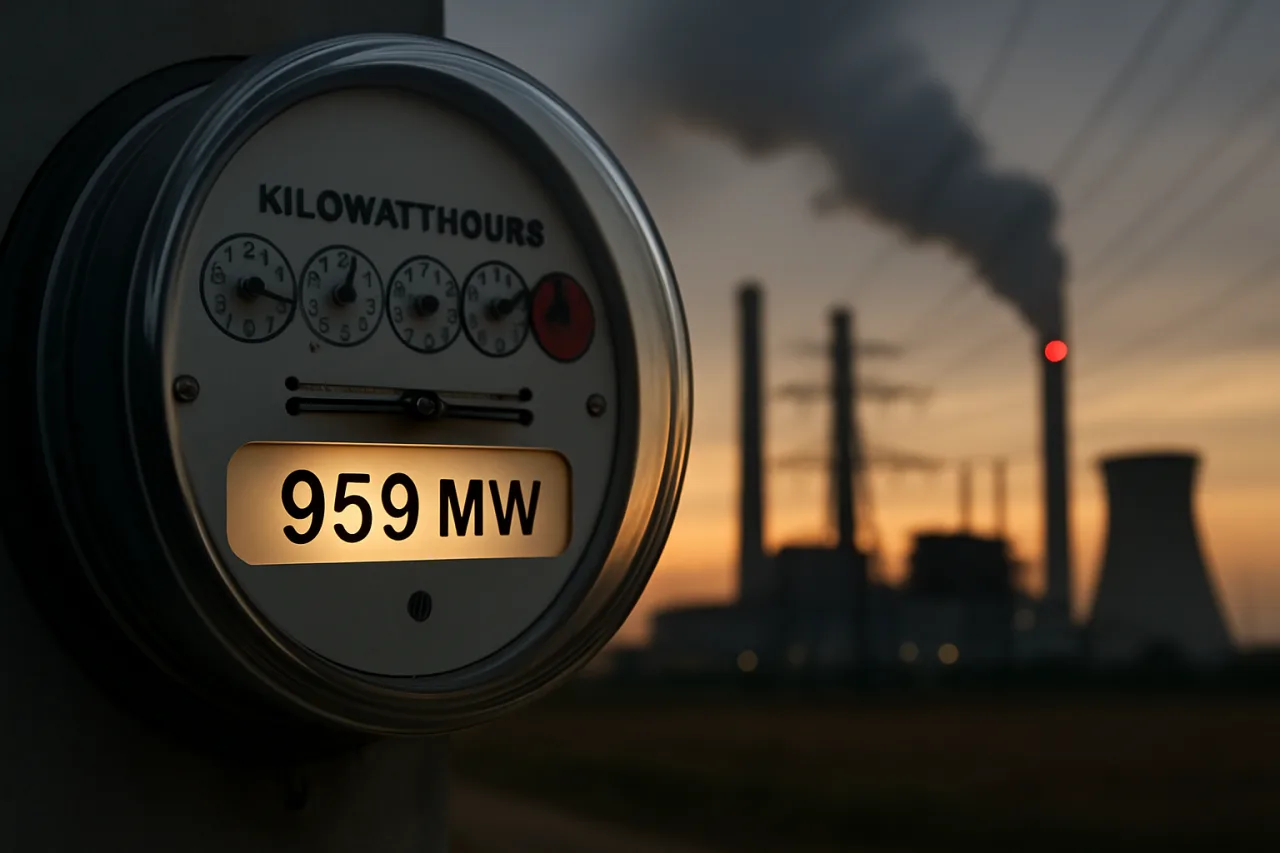
The Visayas power grid entered August 2026 in a fragile state, with the National Grid Corporation of the Philippines (NGCP) issuing red and yellow alerts as reserve margins remain dangerously thin. On July 9, 2026, the Visayas grid was placed under both red and yellow alerts simultaneously, with available capacity at 2,561 megawatts (MW) failing to cover the projected peak demand of 2,568 MW — a deficit that made rotational power outages possible. The crisis is driven by 959.3 MW knocked off the grid, including the unavailability of major coal plants, a recent outage at PCPC (135 MW), and dozens of older plants remaining on forced outages or derated capacities. For Filipino professionals and businesses in the Visayas region, the grid fragility poses direct risks to operations, productivity, and bottom-line costs.
Key Takeaway
- Red alerts were declared on July 9, 2026. The Visayas grid’s available capacity of 2,561 MW fell short of peak demand at 2,568 MW, making rotational brownouts possible between 5 PM and 7 PM.
- 959.3 MW is currently knocked off the grid. Major coal plants TVI 1 and TVI 2 remain offline, PCPC suffered a 135 MW outage, and dozens of older plants have forced outages or derated capacities.
- Yellow alerts continued through late July and into August. The grid entered August with reserve margins virtually unchanged from the previous week, indicating no near-term relief.
- The Department of Energy activated measures to address the deficit. Luzon and Mindanao supply remain stable — the crisis is region-specific to the Visayas.
- Businesses should prepare contingency plans. Rotational outages during peak hours (3 PM-10 PM) can disrupt operations, damage equipment, and affect revenue for Visayas-based companies.
What Is Happening to the Visayas Power Grid
The Visayas power grid serves the central Philippine islands, including Cebu, Iloilo, Negros, Leyte, and Samar. It is operated by the National Grid Corporation of the Philippines (NGCP), which issues alert levels based on the balance between available supply and projected demand. When the margin between supply and demand narrows on the Visayas power grid, NGCP issues alerts to warn of potential disruptions.
A yellow alert means supply is still adequate but reserves are low — insufficient to meet emergency contingency requirements. A red alert is more serious: supply is completely insufficient to meet consumer demand, making rotational power outages possible. On July 9, the Visayas grid experienced both simultaneously across different time windows: yellow alerts from 3 PM to 5 PM and 7 PM to 10 PM, with a red alert from 5 PM to 7 PM.
The root cause is a combination of plant outages and rising demand. The Department of Energy confirmed that 959.3 MW is currently knocked off the grid. The unavailability of Visayas’ large coal plants (TVI 1 and TVI 2), a recent outage at PCPC (135 MW), high regional demand, and dozens of older plants remaining on forced outages or derated capacities are the primary contributing factors. The DOE has activated measures to address the deficit, but Luzon and Mindanao supply remain stable, confirming that this is a Visayas-specific crisis.
How This Affects Visayas Businesses and Households
For businesses operating in the Visayas — particularly in Cebu, which is the Philippines’ second-largest economic hub after Metro Manila — power grid fragility has direct operational consequences. Rotational outages during peak hours can:
- Disrupt manufacturing operations — factories in Cebu’s economic zones, including the Mactan Economic Processing Zone, rely on stable power. Unscheduled outages can halt production lines and damage equipment.
- Affect BPO operations — the Visayas is a major BPO hub, with Cebu hosting hundreds of call centers. While most BPO facilities have backup generators, extended outages increase fuel costs and operational complexity.
- Impact retail and hospitality — restaurants, malls, and hotels in tourist destinations like Bohol and Cebu face revenue losses during power interruptions, particularly during evening peak hours.
- Increase costs for SMEs — small businesses without backup power lose productive hours. Diesel generator costs add P15-25 per kWh to operating expenses, significantly above grid rates.
For households, the impact is more immediate: brownouts during evening hours (5 PM-7 PM) coincide with family dinner time, study time, and peak residential consumption. Low-income families are disproportionately affected, as they cannot afford backup generators or uninterruptible power supplies.
Why the Visayas Grid Is Especially Vulnerable
The Visayas power grid’s vulnerability stems from its reliance on a small number of large power plants. When TVI 1 and TVI 2 — both coal-fired plants that together provide a substantial portion of the region’s baseload capacity — are simultaneously offline, the Visayas power grid loses a significant chunk of its supply. The 135 MW PCPC outage compounds the problem. Smaller, older plants that could offset the deficit are themselves on forced outages or operating at derated (reduced) capacity.
This is not a new problem. The Visayas grid has experienced repeated yellow and red alerts throughout 2025 and 2026. In late June 2026, a yellow alert was declared and later lifted when available capacity reached 2,520 MW against demand of 2,230 MW. But by July 9, demand had risen to 2,568 MW while available capacity had only reached 2,561 MW — a 7 MW deficit that triggered the red alert. The grid’s thin margins mean even small changes in plant availability or demand can tip the balance.
The situation highlights a broader structural issue: the Visayas region needs more power generation capacity and better diversification. Reliance on coal plants that can simultaneously fail leaves the grid exposed. Renewable energy — particularly solar and wind, which the Philippines has in abundance — could provide distributed capacity that is less vulnerable to single-point failures. For investors interested in Philippine energy stocks, the grid crisis underscores the growth potential of renewable energy companies. See our ACEN Corporation investor guide and our PSEi rebalancing guide for investment context.
What Businesses Should Do Now
Step 1: Audit your power backup capacity. Verify that your backup generators or UPS systems are functional, fueled, and sized for your critical load. If you do not have backup power, identify which operations are mission-critical and invest in appropriate backup solutions.
Step 2: Check your Meralco or local utility’s advisory channel. Visayas utilities issue outage schedules through their websites and social media accounts. Monitor these channels for real-time updates during red alert periods.
Step 3: Implement load management. During peak hours (3 PM-10 PM), reduce non-essential electricity consumption. Shift heavy energy use — such as industrial processes or data processing — to off-peak hours when possible.
Step 4: Review your business interruption insurance. Verify whether your policy covers losses from power outages. Some policies exclude grid failures; you may need a specific endorsement.
The Broader Context: Philippine Energy Crisis and Reform
The Visayas power grid crisis is not an isolated event. It is a symptom of a broader structural challenge in the Philippine power sector. The country’s electricity rates remain among the highest in Southeast Asia, with average residential rates exceeding P12 per kWh in Metro Manila — more than double the rates in Vietnam or Malaysia. The Department of Energy has been working to address these issues through policy reforms, but progress has been slow.
President Ferdinand Marcos Jr. has revived proposals to amend the Electric Power Industry Reform Act (EPIRA), the 2001 law that restructured the Philippine electric power industry. Marcos has also floated the possibility of removing system loss charges from consumer bills and reviving nuclear power as part of the country’s energy mix. Energy Secretary Sharon Garin has acknowledged that removing system loss charges “will really take time,” while Meralco Chairman Manuel V. Pangilinan has questioned who will absorb the financial burden of such reforms. For more on the Meralco refund and EPIRA debate, see our Meralco refund guide.
Meanwhile, the NGCP — the private company that operates the country’s transmission grid — has faced increasing scrutiny over its ability to manage grid reliability. Lawmakers have questioned whether NGCP’s concession agreement, which runs until 2030, adequately incentivizes investment in grid infrastructure. The Visayas crisis, with its repeated red and yellow alerts, adds urgency to this debate.
The renewable energy sector offers a potential solution. The Philippines has committed to increasing renewable energy to 35 percent of the power mix by 2030, up from approximately 22 percent in 2025. Solar and wind projects are being fast-tracked through the Green Energy Auction Program, and the DOE has set a target of adding 5,000 MW of renewable capacity by 2027. For the Visayas specifically, solar power could provide distributed generation that reduces reliance on large coal plants. A single 100 MW solar facility in Negros or Cebu could offset the deficit caused by one coal plant outage, providing resilience that centralized generation cannot.
For Filipino investors, the energy crisis creates both risks and opportunities. Utility companies face regulatory pressure and operational challenges, but renewable energy developers stand to benefit from government incentives and growing demand. Companies like ACEN Corporation (Ayala’s renewable energy arm) are expanding aggressively in the Visayas. For a broader investment perspective, see our PSE blue chip stocks guide.
How Long Will the Visayas Grid Crisis Last?
The short-term outlook is uncertain. The Visayas power grid entered August 2026 with reserve margins virtually unchanged from the previous week, indicating that the plant outages driving the crisis have not been resolved. The DOE has activated measures to address the deficit, but the specific actions — which may include deploying mobile generators, accelerating maintenance schedules, and purchasing emergency power — have not been detailed publicly.
The medium-term outlook depends on when the offline coal plants return to service and whether demand growth moderates. Philippine electricity demand typically peaks during the summer months (March-May), but the Visayas crisis has persisted into August, suggesting that the problem is structural rather than seasonal. The DOE’s energy planning forecasts indicate that the Visayas will need 1,500-2,000 MW of new capacity by 2028 to meet projected demand growth, but the pipeline of new projects remains thin.
For businesses and households in the Visayas, the practical message is to prepare for continued grid fragility through the remainder of 2026. Investment in backup power, energy efficiency, and load management will remain necessary until new generation capacity comes online. The cost of preparation — generators, UPS systems, energy-efficient equipment — is an investment in operational continuity that pays for itself the first time a red alert is declared and your business stays online while competitors go dark.
Frequently Asked Questions
What is a red alert on the Visayas power grid?
A red alert means available power supply is completely insufficient to meet consumer demand, making rotational power outages possible. The NGCP issues red alerts when the grid cannot cover both demand and required reserves. On July 9, 2026, the Visayas grid was under red alert from 5 PM to 7 PM with available capacity at 2,561 MW against demand of 2,568 MW.
Why is the Visayas power grid fragile in 2026?
The Visayas grid is fragile because 959.3 MW is currently knocked off the grid. Major coal plants TVI 1 and TVI 2 are offline, the PCPC plant suffered a 135 MW outage, and dozens of older plants have forced outages or derated capacities. The region’s reliance on a small number of large plants means when several fail simultaneously, the grid cannot meet demand.
What should I do during a Visayas red alert?
Reduce non-essential electricity use during peak hours (3 PM-10 PM). Charge devices and complete energy-intensive tasks during off-peak hours. If you run a business, ensure backup generators are operational and fueled. Monitor your local utility’s social media for outage schedules.
Is the Luzon or Mindanao grid affected?
No. The Department of Energy confirmed that Luzon and Mindanao supply remain stable. The power deficit is specific to the Visayas grid. The crisis is region-specific and does not affect power supply in Metro Manila or Mindanao.
Disclaimer: This article provides general information about power grid conditions and does not constitute professional energy or business advice. Grid conditions change frequently; readers should monitor NGCP and DOE announcements for real-time updates. The author and publisher disclaim any liability for actions taken based on this information.