Table of Contents
Key Takeaway
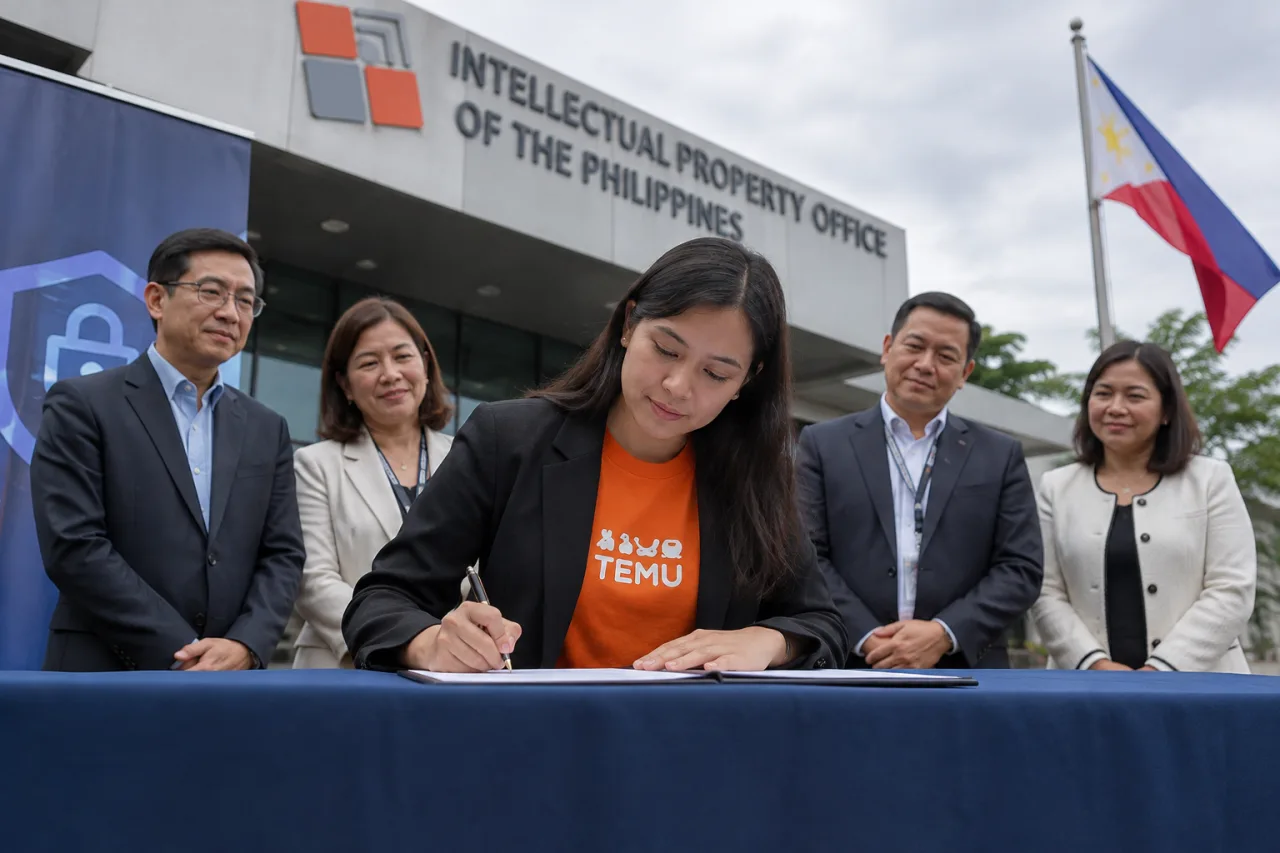
- 📝 What happened: Temu, the global marketplace with a documented counterfeit problem, signed the Memorandum of Understanding on E-Commerce facilitated by the Intellectual Property Office of the Philippines on November 6 — joining the country’s platform-level counterfeit fight.
- 🏪 Who is inside: With Temu’s signature, the MOU roster now covers Lazada, Shopee, Zalora, TikTok Shop and Temu — the platforms where most fake goods online attempts reach Filipino buyers.
- 🛍️ What shoppers gain: Wider platform-brand-regulator collaboration means faster takedown escalation for fakes and more official complaint channels — but not immunity, since counterfeit listings still appear and buyer verification remains essential.
- ⚙️ What Temu brings: A global IP apparatus built since 2023: an IP Protection Portal, a Brand Guardian Initiative engaging 3,000+ rights holders, a monitoring database covering 15,000+ brands with 47 million images and 9.5 million keywords.
Related: Europe’s Duty-Free Parcel Era Ends: What Temu, Shein and AliExpress…
One of the world’s busiest marketplaces for suspiciously cheap goods just signed up to be policed. On November 6, Temu signed the Memorandum of Understanding on E-Commerce facilitated by the Intellectual Property Office of the Philippines (IPOPHL), adding itself to the country’s platform-level pact against fake goods online — the arrangement where marketplaces, brand owners and regulators coordinate to keep counterfeit products off your shopping feed. For Filipino buyers, the practical question is what changes in the app they already use. The short answer: faster escalations and official channels — and a longer road than one signature.
Status note: Temu’s signing followed initial discussions during the World Intellectual Property Organization’s Dialogue on IP Protection on E-Commerce in June 2026, according to IPOPHL. The MOU text is not published as a consumer document; the practical effects below are drawn from IPOPHL’s statements and the platform’s disclosed enforcement programs.
What Temu Actually Signed
The MOU on E-Commerce is IPOPHL’s standing collaboration mechanism with online marketplaces. Its members coordinate on intellectual property protection online: takedown cooperation for infringing listings, public awareness campaigns, and IP Boot Camps that train brand owners and online sellers on rights and enforcement. IPOPHL Deputy Director General Nathaniel S. Arevalo described e-commerce platforms as significant drivers of consumer activity and important partners in protecting buyers and legitimate businesses from counterfeit goods, adding that Temu’s participation would broaden the collaboration among platforms, right holders and IPOPHL.
Temu enters an existing club — and the lever is different from the one it signed a week ago. The EU compliance arrangement we covered earlier reshaped Temu’s product-safety obligations for one continent’s regulators; this one plugs the same platform into Philippine enforcement machinery at home. Lazada, Shopee, Zalora and TikTok Shop signed before, which means the four platforms that dominate Philippine GMV plus the fastest-growing low-price entrant now sit in one arrangement. For the initiative’s stated purpose — combating counterfeit sales online — coverage matters more than mechanism: a takedown that works on one platform loses its meaning when the same seller relists on another, which is precisely the gap multi-platform pacts exist to narrow.
Why Temu Is the Signature to Watch on Fake Goods Online
Every other signatory had already built reputational machinery around brand protection. Temu signed under different conditions: reporting on the deal described documented concerns over counterfeit products sold on its platform, which is the entire reason its participation broadens the pact’s reach. The platform — owned by PDD Holdings, the parent of Chinese marketplace Pinduoduo — entered the Philippine market in 2023 and now operates in more than 90 markets, connecting local shoppers to independent sellers whose pricing traditional channels cannot match.
Credit where the company’s own numbers land: Temu has been building enforcement infrastructure since 2023. It launched an IP Protection Portal the year it entered the Philippines. In 2024 it introduced its Brand Guardian Initiative, establishing regular engagement with more than 3,000 rights holders. Its monitoring database covers over 15,000 brands and uses more than 47 million images and 9.5 million keywords to identify potential infringements before rights holders complain. It joined the International Anti-Counterfeiting Coalition, whose joint program provides an escalation process for takedown requests from member brands.
That apparatus is real, and it is also the strongest argument for why this signature matters: the platform with the largest counterfeit exposure now has the deepest documented takedown machinery of any MOU signatory, pointed at the Philippines. Whether the machinery bends toward enforcement in Manila — or stays a brand-relations asset — is measurable over the next quarters by the only metric that matters: fewer fake goods online reaching checkout.
What the Pact Changes for Shoppers
For buyers, the pact changes the odds against fake goods online at three points in the shopping journey. At listing time: monitoring databases pre-screen listings against brand fingerprints, so a share of the fake goods online gets filtered before you ever search for it. At complaint time: escalation processes give rights holders — and, by extension, platform trust teams — a defined path to pull infringing listings down, which shortens the window during which a fake page collects orders. At policy time: awareness campaigns and IP Boot Camps raise the enforcement baseline, which historically reduces casual counterfeiting by small sellers who simply did not know the rules.
What the pact does not deliver is immunity. Counterfeiters adapt faster than databases; a signing does not close every loophole, and the low prices that define the platform model guarantee continued attempts. The consumer posture that works has not changed: verify seller history before paying, scrutinize prices that undercut retail by absurd margins, keep payments inside platform checkout so disputes have a record, and use the platform’s IP complaint channels — now formally part of a regulator-brokered arrangement — when fakes appear. Our guide to the red flags that end online trades on marketplaces covers that verification checklist in detail, and the mechanics have not changed with this news.
What Sellers Should Take From the MOU
For legitimate merchants, the agreement is a level-playing-field document in the fight against fake goods online. A seller paying real wholesale or manufacture costs competes against listings that fake the brand and undercut by 70%; every enforced takedown removes a competitor who was never paying the same costs. The MOU’s enforcement coordination plus IPOPHL’s IP Boot Camps — which specifically target brand owners and online sellers — gives legitimate sellers both a reporting channel and training on protecting their own listings.
The compliance direction also matters for anyone importing or reselling. The Philippines’ consumer-protection framework for internet transactions requires e-retailers and platforms to keep product standards and IP rights clean, and platform-level enforcement is becoming the enforcement surface that matters. Sellers listing branded goods should expect faster takedowns, verify their own supply chains now, and document provenance — because the alternative is learning the rules through a delisting.
There is also an ecosystem read: the Philippines’ e-commerce sector has been building formal seller-support infrastructure all year — expositions dedicated to marketplace entrepreneurship, credit-scoring reforms for MSME sellers, and now a regulator-brokered counterfeiting pact with the full platform roster inside it. The trajectory is consistent: the informal market gets formal rules, and sellers who operate cleanly gain compounding advantage.
The Legal Floor Under the Pact
The MOU is voluntary, but it does not float in a vacuum — Philippine law already built the floor it sits on. The Internet Transactions Act of 2023, Republic Act 11967, obligates the e-commerce ecosystem to protect online consumers and merchants, ensure product standards and safety compliance, and uphold intellectual property rights, with an E-Commerce Bureau inside the Department of Trade and Industry overseeing the regime. Platforms and e-retailers serving the Philippine market carry regulatory duties; buyers carry complaint rights.
The stack that matters to a shopper wary of fake goods online looks like this: the statute sets the duty, the MOU gives regulators and brands a standing channel to cooperate with the platforms that host the listings, and each platform’s own enforcement portal does the minute-by-minute work. When the three layers point the same way, a counterfeit listing faces three exits — automated screening, a brand complaint that escalates through the MOU, and a regulator that can hold the platform to its statutory obligations. A pact signing is meaningful precisely because it reduces the friction between those exits.
Frequently Asked Questions
Q: What is the MOU on E-Commerce that Temu joined?
A: A collaboration mechanism facilitated by the Intellectual Property Office of the Philippines where online marketplaces, brand owners and regulators coordinate on intellectual property protection online — takedown cooperation, awareness campaigns and IP Boot Camps for sellers. Temu signed on November 6, joining Lazada, Shopee, Zalora and TikTok Shop.
Q: Does Temu’s signing mean fake goods online will disappear?
A: No. It means a faster, more coordinated takedown path and pre-listing screening at a platform whose counterfeit exposure made its enforcement machinery urgent. Counterfeit listings will still appear; the pact shortens their life and widens the complaint channels.
Q: What protections does Temu already have for brand owners?
A: Its own programs: an IP Protection Portal launched in 2023, the Brand Guardian Initiative from 2024 engaging 3,000+ rights holders, a monitoring database covering 15,000+ brands with 47 million images and 9.5 million keywords, and an International Anti-Counterfeiting Coalition escalation process for takedown requests.
Q: How do I file a complaint if I receive a counterfeit?
A: Use the platform’s own IP or counterfeit complaint channel first — that now routes into regulator-brokered cooperation for Temu and the other MOU signatories. Keep the listing screenshot, the payment record and your correspondence, and report the incident to IPOPHL and the Department of Trade and Industry if the platform response stalls.
Q: Does this pact cover other violations like scams or item-not-delivered?
A: The MOU targets intellectual property protection — counterfeits, trademark abuse, infringing listings. Scams and delivery failures fall under other frameworks, including the Internet Transactions Act’s consumer-protection machinery; the mechanisms are adjacent but separate.
Q: Are the other MOU signatories bound the same way?
A: Yes — Lazada, Shopee, Zalora, TikTok Shop and now Temu share the same arrangement. The difference Temu brings is scale of exposure plus the largest disclosed enforcement database among the signatories, which is why its participation changes the pact’s coverage math.
What to Watch Next
Signings are promises; the following measurements tell the truth about the fight against fake goods online over the next few quarters. Track takedown turnaround — how long a flagged counterfeit listing stays live. Track repeat-seller suppression — whether sellers delisted for counterfeits can relist under new accounts, the single most common loophole in marketplace enforcement. Track screener coverage — Temu’s monitoring database covers 15,000 brands with 47 million images; the number that matters is how much of that machinery is pointed at brands Filipino buyers actually encounter.
Watch the roster, too. The MOU roster now spans the country’s dominant marketplaces plus its fastest-growing low-price entrant. Whether other global marketplaces operating in the region sign on — and whether the boot-camp cadence reaches the small sellers who most often list unknowingly — will show whether the pact is becoming the country’s standing anti-counterfeit infrastructure or a one-week headline. And for readers who want the parallel playbook: the EU deal we covered before this one showed how a platform rewires product-safety machinery under regulatory pressure; the Philippine MOU now subjects the same machine to the same test in a market where price sensitivity runs higher.
The realistic expectation sits between the announcements and the skeptics. A single MOU has never cleaned a marketplace. A standing multi-platform arrangement, brokered by the regulator that owns the legal floor, with the platform holding the largest disclosed enforcement database as a member — that is the structure the other signatories joined years ago, and it works at the pace that structure allows.
The Bottom Line
Temu joining IPOPHL’s E-Commerce MOU is best understood as the biggest source of fake goods online in Philippine e-commerce formally joining its enforcement machinery. The shopper’s gains are real but modest: faster takedowns, deeper screening, official channels. The seller’s gains are sharper: enforcement that finally removes underpricing competitors, plus training designed for exactly that fight. What happens next is measurable — listing-screening rates, takedown turnaround, repeat-seller suppression — and the public should hold the platform to its own numbers. The signature is the easy part; the next quarters decide whether fewer fake goods online reach Filipino checkouts or the pact becomes another advisory nobody rereads.
Sources: Intellectual Property Office of the Philippines statements on the MOU on E-Commerce (November 6); SunStar Cebu, “Online shoppers to gain stronger protection vs fakes” (November 8); Newsbytes.PH, “Chinese-owned Temu joins PH effort against online counterfeits” (November 6); Temu platform disclosures on its IP Protection Portal, Brand Guardian Initiative and International Anti-Counterfeiting Coalition membership.
- Official ipophl.gov.ph — IPOPHL
- sunstar.com.ph/amp/story/cebu/online-shoppers-to-gain-stronger-protec… — reporting on the deal described
- lawphil.net/statutes/repacts/ra2023/ra_11967_2023.html — Internet Transactions Act of 2023, Republic Act 11967
External sources linked in this article, in order of first mention. Spotted an error or a broken link? Tell us.
Cite this pagePublished Nov 11, 2026
Agron, E. (2026, November 11). Temu Joins the Philippines’ Anti-Counterfeit E-Commerce Pact. WorldNgayon. https://worldngayon.com/fake-goods-online-protection/
Agron, Edmon. “Temu Joins the Philippines’ Anti-Counterfeit E-Commerce Pact.” WorldNgayon, 11 Nov. 2026, worldngayon.com/fake-goods-online-protection/.
Agron, Edmon. “Temu Joins the Philippines’ Anti-Counterfeit E-Commerce Pact.” WorldNgayon, November 11, 2026. https://worldngayon.com/fake-goods-online-protection/.
Agron, E. (2026) ‘Temu Joins the Philippines’ Anti-Counterfeit E-Commerce Pact’, WorldNgayon, 11 November. Available at: https://worldngayon.com/fake-goods-online-protection/.
E. Agron, “Temu Joins the Philippines’ Anti-Counterfeit E-Commerce Pact,” WorldNgayon, Nov. 11, 2026. [Online]. Available: https://worldngayon.com/fake-goods-online-protection/
@online{agron2026fakegoods,
  author       = {Agron, Edmon},
  title        = {{Temu Joins the Philippines’ Anti-Counterfeit E-Commerce Pact}},
  year         = {2026},
  date         = {2026-11-11},
  organization = {WorldNgayon},
  url          = {https://worldngayon.com/fake-goods-online-protection/},
  urldate      = {}
}TY - ELEC AU - Agron, Edmon TI - Temu Joins the Philippines’ Anti-Counterfeit E-Commerce Pact T2 - WorldNgayon PY - 2026 DA - 2026/11/11/ UR - https://worldngayon.com/fake-goods-online-protection/ Y2 - ER -
Cite the version you read; the page may be updated. Zotero and Mendeley can also import this page directly.