Table of Contents
TLDR:
- Multiple Duterte allies face legal challenges including plunder charges and coup rumors
- Political instability could affect OFW remittance flows and overseas employment policies
- OFWs should monitor policy changes affecting labor agreements and repatriation programs
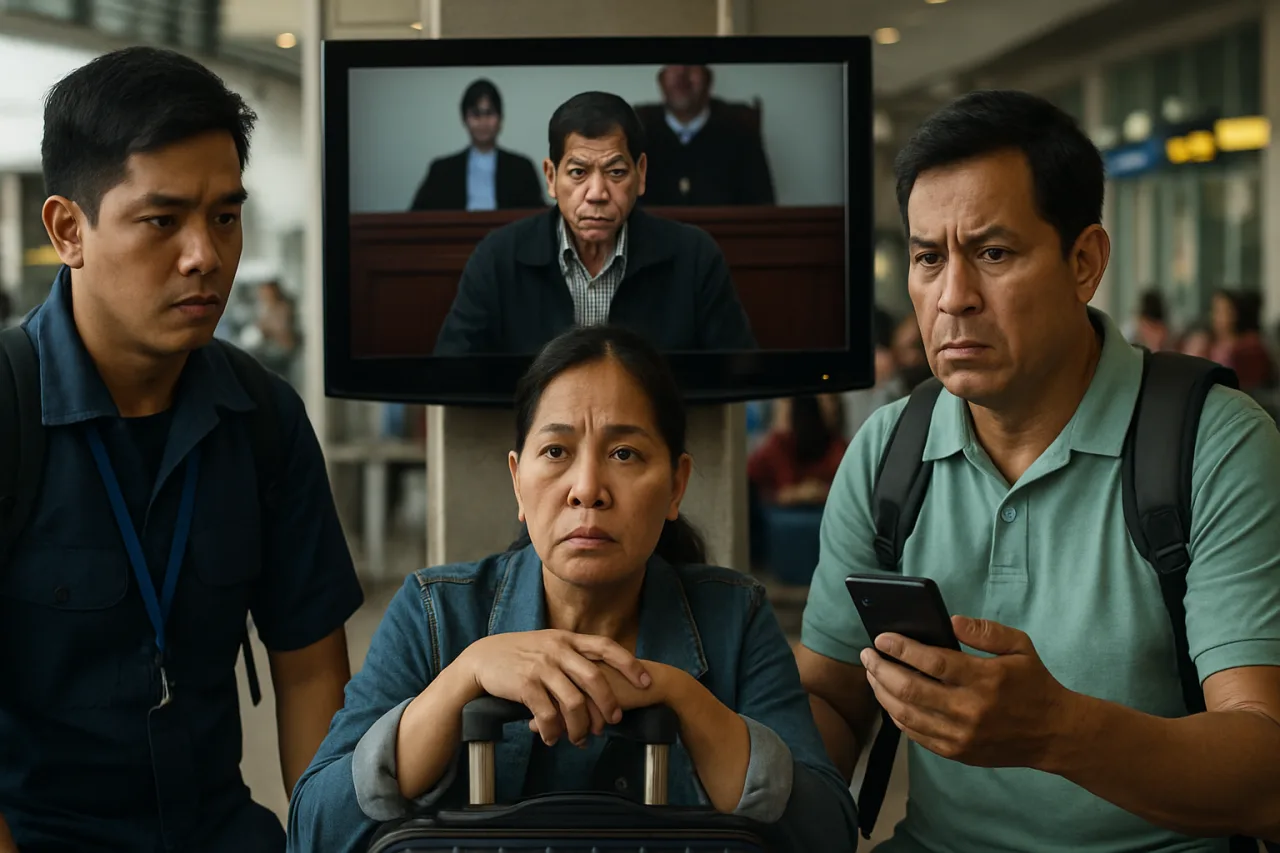
The Philippine political landscape shifted dramatically in May 2026 as former President Rodrigo Duterte and his key allies encountered significant legal challenges. This unfolding drama encompasses multiple high-profile cases that could reshape the country’s political direction. The ripple effects may reach overseas Filipino workers worldwide.
What Happened
Senator Ronald “Bato” dela Rosa, Duterte’s former police chief, announced his willingness to face imprisonment alongside the former president as legal pressures mount. Bold move. The Department of Justice recommended plunder charges against Senator Jinggoy Estrada and former budget official Janet Bonoan, signaling an aggressive anti-corruption campaign that’s picking up serious steam.
Former Speaker Alan Peter Cayetano faced coup rumors while attempting to regain the House majority leadership, drawing biblical parallels to defend his political maneuvering. Senate President Juan Miguel Zubiri moved to the minority bloc amid the political realignment, rejecting Cayetano’s majority coalition offer outright.
These developments occurred against the backdrop of President Ferdinand Marcos Jr.’s administration asserting that “government never sleeps, never takes vacations.” The message emphasizes continuity despite the political turbulence. The events unfolded throughout May 2026, affecting both domestic governance and international relations in ways that are still playing out.
Impact on OFW Employment Programs
The current legal drama creates uncertainty for overseas employment policies established during the previous administration. Dozens of bilateral labor agreements negotiated under Duterte’s presidency face potential review or modification under the current government’s approach.
OFWs in the Middle East particularly benefited from Duterte-era agreements with Saudi Arabia, Qatar, and the UAE. These arrangements streamlined deployment processes. They enhanced worker protections through direct government-to-government negotiations that cut through bureaucratic red tape.
Political instability could delay new labor agreements or modifications to existing ones. The Department of Migrant Workers may face budget constraints or policy shifts affecting deployment quotas and worker assistance programs that have operated smoothly for years.
Remittance Flow Considerations
Political uncertainty traditionally affects peso stability and remittance exchange rates. OFWs monitoring the legal proceedings should consider timing their money transfers strategically during volatile periods.
Historical data shows that major political events in the Philippines correlate with temporary peso fluctuations. The current legal proceedings could extend over months. This creates sustained uncertainty in currency markets that savvy OFWs need to navigate carefully.
Financial institutions serving OFWs report increased inquiries about hedging options and alternative remittance channels. Smart OFWs are diversifying their transfer methods to minimize exposure to political risk while maximizing their hard-earned money’s value.
Policy Stability Under Marcos Administration
President Marcos’s emphasis on government continuity aims to reassure both domestic and international stakeholders. His administration’s “never sleeps” messaging directly addresses concerns about policy disruptions during the ongoing legal drama.
The Overseas Workers Welfare Administration continues operating existing programs while developing new initiatives independent of previous administration policies. OFW benefits and services remain protected despite political transitions that often create anxiety among workers abroad.
Canada’s expressed interest in Philippine defense investments demonstrates continued international confidence in the country’s stability. Such foreign partnerships often include labor mobility components beneficial to skilled OFWs seeking new opportunities.
The Philippine Coast Guard’s active response to Chinese research vessels shows maintained security capabilities. OFWs considering long-term investments can draw confidence from consistent institutional performance during political uncertainty that would rattle less stable nations.
How does the Duterte legal situation affect OFW contracts abroad?
Current OFW contracts remain legally binding regardless of political developments in the Philippines. Bilateral labor agreements between countries continue operating under international law. The Philippine Embassy and Department of Migrant Workers maintain consular services and worker protection programs without interruption.
Could political instability impact remittance exchange rates for OFWs?
Political developments can cause temporary Philippine peso fluctuations, but the central bank maintains stable foreign exchange policies to encourage continued OFW transfers. OFWs should monitor rates and consider timing transfers strategically during volatile periods. The Philippines has never imposed remittance restrictions during political transitions.
Will OFW deployment programs be affected by the legal proceedings?
OFW deployment continues normally under existing bilateral agreements and the Marcos administration’s policies. The Department of Migrant Workers operates independently of political controversies involving former officials. New deployment opportunities may increase as the government seeks to demonstrate policy effectiveness.
What protections exist for OFWs during Philippine political transitions?
The Overseas Workers Welfare Administration (OWWA) continues operating existing programs regardless of political changes. Philippine institutions serving OFWs have proven resilient through multiple administrations. Bilateral agreements, labor contracts, and diplomatic protection services remain in force throughout transitions.
Should OFWs consider their investment strategies given the current political climate?
OFWs should diversify investments across multiple instruments to protect against political risk. The Philippine economic fundamentals remain strong despite political noise. Long-term investments like Pag-IBIG MP2, UITFs, and real estate have historically performed well through multiple administrations. Stay informed through reliable sources to distinguish significant policy changes from routine political maneuvering.
[NEWSLETTER_CTA_BLOCK]
Get free AI tools, digital income strategies, and cybersecurity tips for OFWs — delivered every week.
📧 Subscribe Free — No Spam, Ever