Table of Contents
Key Takeaway
- 📜 Dual citizenship under RA 9225 is for: former natural-born Filipinos who became naturalized citizens of another country — the Citizenship Retention and Re-acquisition Act lets them regain Philippine citizenship by oath, keeping both passports (RA 9225, 2003).
- 💵 The fees VARY BY POST — verified on the posts’ own pages: US$50 per adult principal at the Washington embassy; CA$77.50-class at Vancouver; inside Manila the BI class runs ₱3,010 principal / ₱1,760 per child — the amount on your post’s own page is the authority (each post linked below).
- 👶 Unmarried children under 18 ride the application: the dependent-petition lane includes them at $25-class per child at the US posts, $38.75-class at Vancouver — the documents listed on the consulates’ own pages.
- 🗳️ What the oath restores: the right to vote in Philippine elections, own land outright, practice regulated professions, and live in the country without a visa.
- 📋 The core documents, from the consulates’ own checklists: the PSA-issued birth certificate, the foreign passport and naturalization papers, the old Philippine passport (or its notarized loss-affidavit), two 2×2 photos on white, and the completed form — with in-person appearance for the oath at the post or its outreach missions.
Dual citizenship for Filipinos abroad is the paperwork class most guides price wrong: the RA 9225 application’s cost changes by post — US$50 at the Washington embassy, CA$77.50-class at Vancouver, the ₱3,010-class inside Manila — and every one of those numbers comes from the posts’ own published pages, not from the forum tables. This dual citizenship guide is the verified walkthrough: who qualifies under the Act (and who already is dual and skips it), the fee table by lane, the document checklist from the consulates’ own lists, the applicant types and their document paths, the appointment-and-oath steps, what the oath restores, and the Philippines-side effects for the OFW wallet — property, passports, voting — with the desk’s companion pieces linked where each lane deepens.
Who Qualifies for Dual Citizenship — and Who Already Is
The Act’s own frame, from the posts’ general-information sections: eligible = former natural-born Filipino citizens who became naturalized citizens of another country — “natural-born” meaning at least one Filipino parent at birth; the retention or the re-acquisition class runs the same application. The class that needs NO application: the consulates’ own advisories are explicit — persons who are dual citizens AT BIRTH (the mixed-parentage birth cases carrying both nationalities) are NOT RA 9225 applicants; their identity runs different documents. The children: unmarried children under 18 of the principal applicant become dual citizens through the dependent-petition lane — the NY consulate’s own page prices $25 per dependent and carries the petition form; the children’s own Philippine passports follow as separate applications. The desk’s note on grandchildren: the Act does not pass dual citizenship to descendants born abroad — their routes run birth-reporting and other consular classes, and the post’s own page decides.
The Dual Citizenship Fee Table by Post
The piece’s dual citizenship fee table, sourced to the posts’ own pages: Washington DC Embassy: US$50.00 per adult principal — cash, credit/debit (a 4% convenience fee applies) or money order (the embassy’s own application page) — with the dependent classes at the US consulates running $25.00 per child. New York PCG: the US-fee lane with the same $25-per-dependent class and the cash/money-order rules (“personal checks are not acceptable”). Vancouver PCG: $77.50 per principal and $38.75 per dependent child — the Canadian-dollar conversion the page publishes, with debit/card/cash for in-person and money orders for mailed outreach applications. Manila (the Bureau of Immigration route): ₱3,010 per principal (application 2,500 + legal-research 10 + express 500) and ₱1,760 per child per the BI’s schedule tabled in the general guide. The desk’s honest rule: the post’s own page at YOUR application month is the fee that exists — conversions move and no forum number outranks the consulate you’ll appear at.
The Dual Citizenship Document Checklist from the Posts’ Own Pages
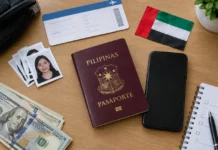
- For the principal: the duly accomplished Application for Philippine Citizenship Retention/Re-acquisition under RA 9225; the PSA-issued birth certificate (original + photocopy; abroad-born applicants use the Vital Statistics class per Vancouver’s list); the latest Philippine passport (or the notarized affidavit of loss); the current foreign passport with the bio-page copy; the certificate of naturalization / citizenship card of the other country; and two identical 2×2 color photos, white background, within six months.
- For the dependents (under 18): the petition-for-inclusion form; the petitioner’s own dual citizenship papers (the Oath of Allegiance, the Identification Certificate, the Approval Order — NY’s own list); each child’s birth record and photos in the counts the post lists.
- The name-matching rule: the identification certificate carries all the names the application documents use — but a later Philippine passport takes names from PSA-issued documents only (the DC embassy’s own note).
Three Applicant Types, Three Document Paths
The dual citizenship applicants the posts actually see, each with its own path. Type one — the naturalized Filipino born in the Philippines: the core set above runs complete on the post’s page, and the oath closes same-day at several posts. Type two — the naturalized Filipino born abroad: Vancouver’s own list prices the Vital-Statistics-class birth record beside the foreign papers — the document path runs the same class with the foreign birth certificate’s certified copy. Type three — the parent applying with children: the dependent-petition lane adds each child’s birth record, the two-photos-per-child class, and the petitioner’s own oath papers traveling with the petition. Each type ends at the post’s own checklist — and the desk’s framing: the document path is the only variance between types; the fee table prices them all.
Dual Citizenship Steps: Appointment, Appearance, Oath
- Book the appointment at your post (the DC embassy’s page runs its own booking; application-by-appointment-only classes at the consulates, no mail-in for the principal).
- Prepare the checklist above — the originals and the copy-counts each post lists.
- Attend and take the oath — the Oath of Allegiance ceremony runs at the post or at the consular outreach missions (Vancouver’s page carries the outreach class’s mailed-document instructions) — several posts complete the process the same day.
- Receive the Identification Certificate + the Approval Order — the documents that carry the dual status onward.
- Apply for the Philippine passport separately — the certificate does not itself issue the passport (the same lanes the desk’s passport-renewal guide maps).
What the Oath Restores — and What Stays Complex
The rights class the pages list: voting in Philippine elections (the absentee-voting mechanics in the desk’s overseas voting guide), owning land outright (the property classes the desk’s developer-scams guard prices — the 40% foreign-cap conversation ends for the re-acquired citizen), practicing regulated professions, and living in the country without a visa. The complex side, stated honestly: the other country’s own dual citizenship rules stay theirs, the tax and service obligations run each jurisdiction’s own law, and the desk’s property and contributions pieces carry the Philippine-side layers while your counsel handles the rest — with the balikbayan privileges riding their own lane (the desk’s balikbayan guide).
The History: What RA 9225 Ended in 2003
Dual citizenship under RA 9225 answered a specific wound. Before 2003, a natural-born Filipino who naturalized abroad LOST Philippine citizenship by the act of naturalization itself — and the losses carried the class of consequences the diaspora remembers: the land-ownership limits (the foreigner-cap classes), the professions’ doors closing, and the stateless-feeling visits home. The Act (RA 9225, signed 2003) answered with the retention-and-re-acquisition mechanism: the natural-born class keeps or regains by oath and both passports survive. The class effects the guides still teach: the foreign ownership cap of the pre-2003 years stops binding the re-acquired citizen; the professions’ licensing runs through the citizenship class; and the vote returned with the abroad-voting machinery beside it. The piece’s honest framing of the history: the Act is the reason this guide exists at all — without it, the fee table would be moot. Verify the current text (the Act and the BI’s own IRR class) at your application month; the statute texts stay stable, the implementing rules move.
The Philippines-Side Steps After the Oath
The post-oath chores, sequenced from the posts’ own guidance and the desk’s companion pieces. First: the BI’s own registration records (the Identification Certificate’s copy archived with your own papers). Second: the Philippine passport application (the PSA-name rule above) — the book class runs the 10-year validity for adults. Third: the PSA-side records update for any name events — the classes the passport rule requires. Fourth: the tax-registration class with the BIR (the returning-citizen’s own obligations run under the tax code’s rules — the desk’s OFW-tax lane covers the exemption classes for overseas income). Fifth: the property side — if a purchase plans, the desk’s developer-scams guard runs its full checklist with the citizenship conversation closed. Sixth: the voting registration (the overseas-voting guide’s own cycle). The sequence’s lesson: the oath opens the doors; the paperwork after the oath is what walks through them — and every one of these six runs its own desk piece or its own agency page.
What Would Change This Reading: the Invalidation Ledger
- A post’s fee change: the per-post tables move — the pages’ own updates are the authority, and the table re-prices at each verified change.
- The BI’s schedule moving: the Manila-side class follows the Bureau’s own fee orders.
- An advisory on the dependent classes: the children’s inclusion rules — a new consular advisory updates that layer in the same month.
- The other country’s dual citizenship rules: the interplay re-verifies with your other jurisdiction before relying on the both-passports state.
What the Evidence Supports, by Reader Situation
Education desk, not an advisory service — decision inputs, never instructions.
- If you’re a naturalized Filipino planning to return: the verified value: land ownership, the vote, the professions’ classes restored — the dual citizenship application runs one appointment at the post, the oath the same day at several posts.
- If your children travel with you: the dependent-petition lane runs $25-class per child at the US posts inside the parent’s own application — one trip, one envelope of documents.
- If you’re weighing the property purchase: the dual citizenship status changes the structuring entirely — the desk’s property guard carries the purchase mechanics; the citizenship side is this piece’s lane.
FAQ
Who can apply for dual citizenship under RA 9225?
Former natural-born Filipinos who became naturalized citizens of another country — the retention and re-acquisition classes. Persons who are dual citizens at birth do not apply under RA 9225; the consulates’ own advisories say so directly.
How much does the RA 9225 application cost?
The verified per-post classes: US$50 per principal at Washington (with $25-per-dependent classes at the US consulates), $77.50 principal at Vancouver, and the BI’s Manila schedule at ₱3,010 principal / ₱1,760 per child. Your post’s own published page is the authority for your lane.
Do my children become dual citizens with me?
Unmarried children under 18 ride the application through the dependent-petition lane — the consulates carry the petition forms and per-child fees ($25-class at the US posts, $38.75 at Vancouver). Their Philippine passports run as separate applications after.
What documents does the dual citizenship application need?
The posts’ own checklists: the PSA birth certificate (original + copy), the latest Philippine passport or its loss-affidavit, the foreign passport and the naturalization papers, the completed RA 9225 form, two 2×2 white-background photos within six months, and the exact copies each post lists.
What rights do I regain after the oath?
The consulates’ own lists: Philippine voting rights, outright land ownership, the regulated professions, and visa-free residence. Each right’s mechanics run their own rules — the desk’s companion pieces carry the property, voting and account layers.
Is the application available by mail?
Only through the outreach missions’ class by each post’s own instructions; the principal appointments run in person at the posts — the oath itself is a personal appearance.
Financial Disclaimer
This article is for general information and education only. It is not financial, investment, legal or tax advice, and it does not recommend any legal decision or course of action. Fees, requirements and consular procedures change by post and by instrument without notice; every figure was verified against the posts’ own pages and the cited dated sources as of November 2026 and must be re-confirmed at your own consulate or embassy before any application. WorldNgayon is not affiliated with any agency named, and no content on this site should be acted upon without independent verification and, where appropriate, advice from licensed professionals.
- philippineembassy-dc.org/dual-citizenship-application — the embassy’s own application page
- newyorkpcg.org/pcgny/consular-services/dual-citizenship — the US-fee lane
- vancouverpcg.org/services/dual-citizenship — $77.50 per principal and $38.75 per dependent child
- murblz.com/en/blog/philippines-dual-citizenship — the general guide
External sources linked in this article, in order of first mention. Spotted an error or a broken link? Tell us.
Cite this pagePublished Nov 2, 2026
Agron, E. (2026, November 2). Dual Citizenship for Filipinos in Canada and US (RA 9225): Step-by-Step Application Guide. WorldNgayon. https://worldngayon.com/dual-citizenship-ra-9225-guide/
Agron, Edmon. “Dual Citizenship for Filipinos in Canada and US (RA 9225): Step-by-Step Application Guide.” WorldNgayon, 2 Nov. 2026, worldngayon.com/dual-citizenship-ra-9225-guide/.
Agron, Edmon. “Dual Citizenship for Filipinos in Canada and US (RA 9225): Step-by-Step Application Guide.” WorldNgayon, November 2, 2026. https://worldngayon.com/dual-citizenship-ra-9225-guide/.
Agron, E. (2026) ‘Dual Citizenship for Filipinos in Canada and US (RA 9225): Step-by-Step Application Guide’, WorldNgayon, 2 November. Available at: https://worldngayon.com/dual-citizenship-ra-9225-guide/.
E. Agron, “Dual Citizenship for Filipinos in Canada and US (RA 9225): Step-by-Step Application Guide,” WorldNgayon, Nov. 2, 2026. [Online]. Available: https://worldngayon.com/dual-citizenship-ra-9225-guide/
@online{agron2026dualcitizenship,
  author       = {Agron, Edmon},
  title        = {{Dual Citizenship for Filipinos in Canada and US (RA 9225): Step-by-Step Application Guide}},
  year         = {2026},
  date         = {2026-11-02},
  organization = {WorldNgayon},
  url          = {https://worldngayon.com/dual-citizenship-ra-9225-guide/},
  urldate      = {}
}TY - ELEC AU - Agron, Edmon TI - Dual Citizenship for Filipinos in Canada and US (RA 9225): Step-by-Step Application Guide T2 - WorldNgayon PY - 2026 DA - 2026/11/02/ UR - https://worldngayon.com/dual-citizenship-ra-9225-guide/ Y2 - ER -
Cite the version you read; the page may be updated. Zotero and Mendeley can also import this page directly.