Table of Contents
Key Takeaway
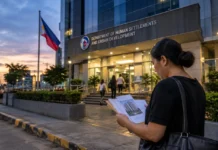
- 🏦 Bank of the Philippine Islands’ current name for its OFW savings account program is “BPI Pinoy Abroad” — the account piece’s BPI leg — the OFW financial program on BPI’s own overseas-Filipino page (send money, remittance tracking, government-fee payments, and the referral account-opening lane); the older “Pamana” name rides the search terms, and this piece bridges both so nothing gets lost at the counters.
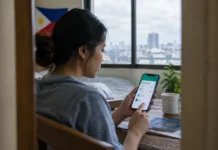
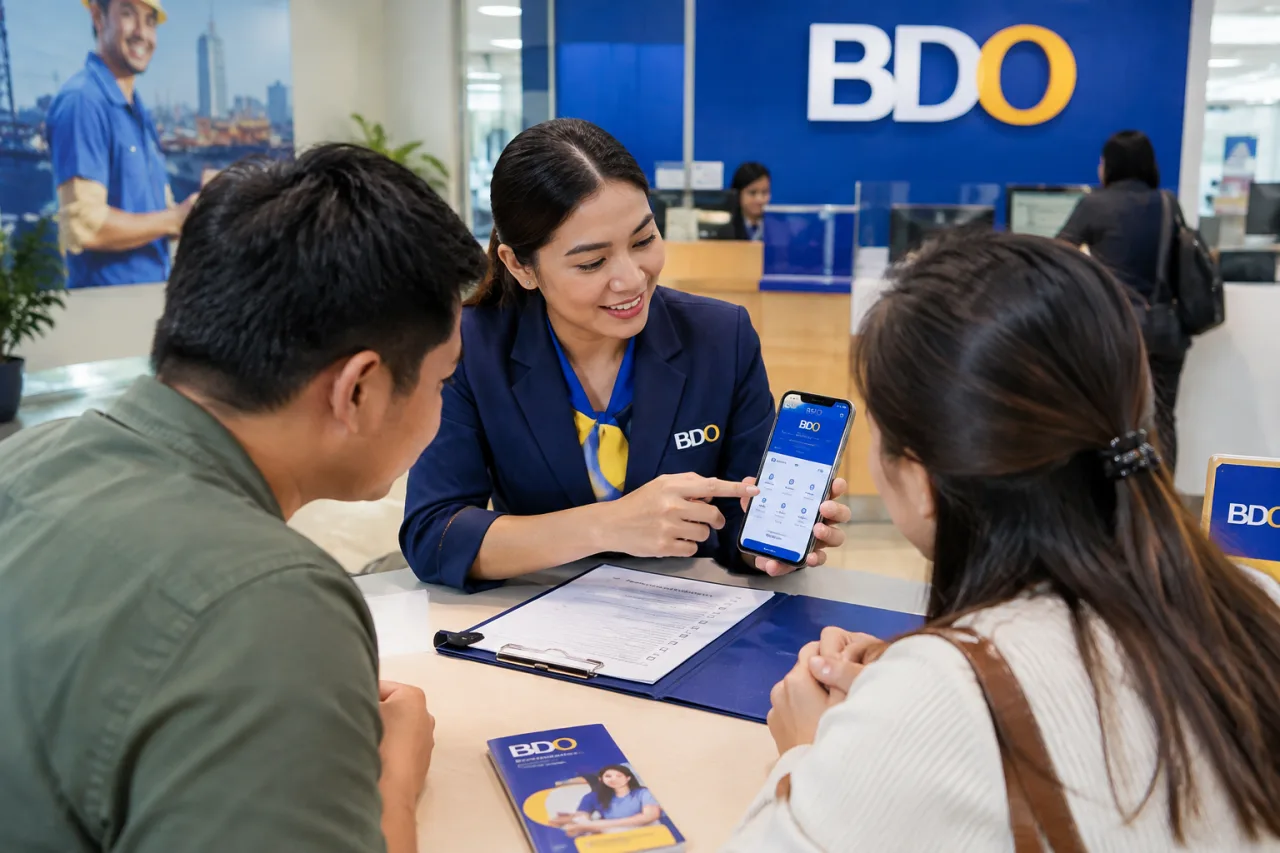
- 📲 BDO’s online-from-abroad flow, verified on the bank’s own pages: go to bdo.com.ph/apply → choose the account → fill the online forms → upload your ID photo + selfie → take a video call with a BDO representative for evaluation → fund within 7 days → pick up the card/passbook at your chosen branch.
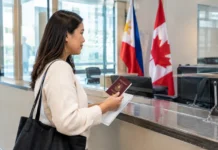
- 📄 The document spine (both banks): valid passport + a government ID class + proof of address + the OFW-class papers (the OEC/OAS-class or the contract verification the desk’s pieces cover) — and the selfie/video-call layer the digital enrollments add to the old branch checklist.
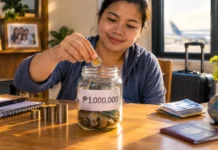
- 💰 The funding rule that trips new applicants: a freshly opened account must be funded within its window (BDO’s own: 7 days) — schedule the first remittance into the opening week or the account risks dormant-status fees.
- 🇵🇭 The OFW framing: the savings account from abroad is the rail-head for everything the desk teaches — the remittance corridor’s receiving side, the government contributions, the MP2 ladder — open the savings account early in the deployment’s first month, not the week before payday.
Opening a BDO Kabayan or a BPI savings account from abroad sounds like two old counters and a pile of documents — and the verified 2026 reality is better than that: BDO runs the whole enrollment online (the bank’s own pages carry the five steps, including the video-call verification), and BPI’s overseas program runs under its current name, BPI Pinoy Abroad, with its own remittance-payment rails. This piece is the document checklist and the step-by-step for both — the verified flows, the funding windows, the OFW-class papers each bank asks for, and the search-term bridge for readers who remember the older program names. Every step carries its own source; the banks’ own pages are the authority; nothing else rides folklore.
The Two Programs as They Actually Exist in 2026
The BDO side — Kabayan and the online flow: the Kabayan savings account remains BDO’s OFW-facing identity — the remittance-linked account class with the OFW-class requirements — and the bank’s own enrollment page (the bank’s own accounts page, bdo.com.ph/apply) now runs the fully digital flow for eligible applicants: the online forms, the ID-and-selfie upload, and the video-call evaluation with a BDO representative, with the account opening and the 7-day funding window per the bank’s own step table. The Kabayan class’s branch-side enrollment (the remittance-center pairing and the card pickup) still runs for the applicants who prefer counters, and the piece’s checklist carries both. The BPI side — the current program name: BPI’s overseas-Filipino page presents its program as BPI Pinoy Abroad — “a complete financial program… for every stage of your life” — carrying send-money from BPI Online to its domestic payout partners, real-time remittance tracking, government-fee payments, and the referral route: “Refer your loved ones for account opening” (the family-side enrollment the program supports). The search-term bridge: readers hunting the older “BPI Pamana” remittance name land here — the program’s services continue under the current branding, and the desk verifies names on the banks’ own pages rather than on legacy guides. The honest note: this piece’s checklist covers the classes both banks’ pages and the guides document; a bank-specific promo-class requirement (the minimum-balance promos, the card pickup conditions) re-verifies inside the enrollment flow itself.
BDO’s Verified Five-Step Flow From Abroad
The bank’s own steps, carried verbatim-class from its pages: Step 1: go to bdo.com.ph/apply, choose the savings account type, fill the online forms. Step 2: upload a photo of your ID and a selfie — the identity layer the digital enrollments add. Step 3: get into a video call with a BDO representative for evaluation — the call that replaces the branch interview; dress for a banking appointment, hold the passport and the second ID at hand, and expect questions on the address and the employment. Step 4: once the savings account opens, fund it within 7 days — the funding window the desk flags because it’s the step applicants miss: the first remittance lands inside the week, through the corridor’s own cheapest lanes (the desk’s Saudi remittance guide carries the rail comparison). Step 5: pick up the debit card, passbook or checkbook at the chosen branch — often the family-side errand the homecoming visit runs, with the account already earning under your own remittances from month one. For readers opening for someone else’s household use, the GCash-from-abroad setup guide carries the wallet-first alternative at a lower friction class.
BPI’s Program and Its Opening Routes
The BPI leg, from the bank’s own overseas-Filipino page: the Pinoy Abroad program packages the account with the remittance services (BPI Online sends to the domestic payout partners; the tracking runs real-time), the government-fee payments (the SSS/PhilHealth-class rails the desk’s contributions-from-abroad guide documents), and the referral route — the family at home opens their account with the OFW’s referral, the program’s own assist flow. The opening’s documents run the standard checklist below; the desk’s honest note: BPI’s own page carries the program’s features, and the account-opening’s exact steps (the branch-with-referral class vs the online apply lane) verify inside the program’s own pages at enrollment time — the piece’s checklist prepares the papers so either route runs clean. The savings stack beside it: the desk’s digital-bank interest comparison prices the receiving alternatives for the funds once they arrive.
The Document Checklist: What Both Banks Actually Need
- The identity core: a valid Philippine passport (the pages’ own lists) + a second government ID from the banks’ acceptable list — the class every account needs.
- The address layer: proof of address for the Philippine side (the family-home address the account carries) — the piece’s own guidance: use the address the household actually collects at.
- The OFW-class papers: the OEC/OAS-class document or the contract-verification records the desk’s contract-verification piece covers — the employment proof the banks’ OFW-class accounts verify against.
- The tax-ID class (TIN): where the bank’s application asks for it, the BIR-registered number travels with the OFW’s records (the desk’s freelancer-tax guide carries the BIR-side mechanics for readers self-employed).
- The digital-enrollment extras: the ID photo + the selfie (the image quality matters — plain background, no glare), and the video-call readiness (the documents within reach, the connection stable) — BDO’s own flow carries both steps.
- The funding evidence: the first remittance’s reference — which proves the account’s funding within its 7-day-class window and activates the card class.
The Funding and the Rails: Making the Account Earn
The account is half the job; the rails complete it. The send side: the corridor choice (the desk’s Wise-vs-Remitly markup board and the Saudi corridor guide carry the fee-and-margin math) — the cheapest send into the new account, timed with the peso staging rules (the peso playbook). The savings side: the account’s interest class varies (the bank-side savings vs the digital banks’ own rates) — the desk’s comparison piece prices the parking layer; the MP2 ladder (its ₱500 floor) rides on the same account as the funding account. The government layer: BPI’s own program carries the government-fee payments; the SSS-side contributions ride their rails — the account becomes the household’s rail-head, and the budget boundary (the family’s own ledger) decides what it carries every payday.
The Savings Account’s First 90 Days: a Starter Plan
The plan after the opening, in the desk’s own sequence. Days 1-7: the funding window’s first remittance lands (the corridor’s cheapest rail, verified same-day quotes); the savings account’s ledger shows the arrival – the first proof the rail-head works. Weeks 2-4: the rails’ second test – the government contributions’ first payment through the account-side portals (the PRN flow on the SSS side, the wallet bills-pay on the rest), the family’s boundary budget riding the account’s own ledger. Month 2: the savings layer – the savings account’s own interest class verified (the digital banks’ comparison piece carries the alternatives), the MP2 ladder’s first ₱500-class tranche parked beside the savings account, the emergency-fund class building toward the piece’s blueprint. Month 3: the review – the rails’ pricing re-verified (the apps’ own pages), the balances’ allocation re-checked against the boundary framework, and the account’s card class (the branch pickup’s errand) scheduled into the next homecoming or the family’s local errand. The starter plan’s honest bottom line: the account earns its keep when the rails run cheap, the savings layers sit on top, and the household’s ledger stays the boss – the same order every desk guide since the peso playbook has taught.
What Would Change This Reading: the Invalidation Ledger
- An enrollment-flow change: the banks’ own pages carry the current steps — a video-call class removed or a new digital-verification layer (eKYC-class) arriving updates the walkthrough same-day the page shows it.
- A program re-name or migration: the Pinoy Abroad-to-Pamana pattern in reverse — the desk re-verifies the program’s public name each production cycle.
- The funding-window changes: the 7-day-class windows moving to different classes — the banks’ own FAQs are the re-verify point.
- The OFW-class paper changes: the OEC/OAS-class documents’ evolution (the desk’s exit-clearance guides carry the current state) — the checklist’s papers section follows them.
What the Evidence Supports, by Reader Situation
Education desk, not an advisory service — decision inputs, never instructions.
- If you’re newly deployed and banking for the first time for the household: the verified order: the BDO/BPI enrollment’s online lane (the checklist above), the funding inside the window, and the rails tested the same month — the account exists before the first big need.
- If the family already runs a receiving account: the piece’s rails section turns the account into the rail-head; the referral class (BPI’s) extends the household’s banking one member at a time.
- If you’re comparing the banks first: the fee classes, the interest classes and the card/pickup logistics belong to the desk’s own comparison pieces — the banks’ own pages carry the enrollment mechanics, and the decision rides your household’s mix.
FAQ
Can I open a BDO or BPI savings account while working abroad?
Yes — BDO’s own enrollment page runs the fully digital flow from abroad (the apply forms, the ID-and-selfie upload, the video-call evaluation, the 7-day funding window, the branch card pickup), and BPI’s overseas program runs its own opening routes (the referral-assisted class and the program’s online lanes). The checklists in this piece prepare either bank’s requirements.
Is BPI’s OFW program still called Pamana?
The bank’s own overseas-Filipino page presents the current program as BPI Pinoy Abroad; the Pamana name rides older search terms and legacy materials. The desk bridges both names so searchers land on the verified current program — with the services (send money, remittance tracking, government-fee payments) continuing under the current branding.
What documents do the banks need from an OFW?
The verified spine: a valid Philippine passport, a second government ID, proof of the Philippine-side address, the OFW-class employment papers (the OEC/OAS-class or contract-verification records), the TIN where asked, and — for the digital enrollments — the ID photo and selfie for the upload step plus the video-call readiness. Each bank’s application page carries its own exact list at enrollment time.
Does the account need funding immediately?
Yes — BDO’s own flow requires funding within 7 days of opening; the funding activates the account class and the card. The desk’s rule: schedule the first remittance into the opening week so the window can’t lapse, and keep the remittance’s reference numbers as the proof.
Does BPI help pay government contributions?
The bank’s own overseas program advertises government-fee payments from BPI Online — the SSS/PhilHealth-class rails the desk’s contributions guide documents; the exact agencies and bill-pay categories verify inside the BPI Online interface at payment time.
Can my family open their own accounts with my referrals?
Yes — BPI’s program carries the referral route (“refer your loved ones for account opening”), which is the household’s cleanest path: the OFW’s referral + the family member’s own documents. The desk’s boundary rule applies to what those accounts carry — the family-budget frameworks protect the household’s ledger.
Financial Disclaimer
This article is for general information and education only. It is not financial, investment, legal or tax advice, and it does not recommend any specific bank, account type or financial product. Enrollment flows, funding windows, document requirements and program names change by bank announcement without notice; every figure and step was verified against the banks’ own pages and the cited dated sources as of November 2026 and must be re-confirmed inside the bank’s own application pages before any enrollment. WorldNgayon is not affiliated with BDO Unibank or the Bank of the Philippine Islands, and no content on this site should be acted upon without independent verification and, where appropriate, advice from a licensed professional.
- bdo.com.ph/personal/accounts — (the bank’s own accounts page, bdo.com.ph/apply)
- bpi.com.ph/personal/overseas-filipino — BPI Pinoy Abroad
External sources linked in this article, in order of first mention. Spotted an error or a broken link? Tell us.
Cite this pagePublished Nov 2, 2026
Agron, E. (2026, November 2). Opening a BDO Kabayan or BPI Pamana Savings Account from Abroad: Document Checklist. WorldNgayon. https://worldngayon.com/bdo-bpi-ofw-savings-account/
Agron, Edmon. “Opening a BDO Kabayan or BPI Pamana Savings Account from Abroad: Document Checklist.” WorldNgayon, 2 Nov. 2026, worldngayon.com/bdo-bpi-ofw-savings-account/.
Agron, Edmon. “Opening a BDO Kabayan or BPI Pamana Savings Account from Abroad: Document Checklist.” WorldNgayon, November 2, 2026. https://worldngayon.com/bdo-bpi-ofw-savings-account/.
Agron, E. (2026) ‘Opening a BDO Kabayan or BPI Pamana Savings Account from Abroad: Document Checklist’, WorldNgayon, 2 November. Available at: https://worldngayon.com/bdo-bpi-ofw-savings-account/.
E. Agron, “Opening a BDO Kabayan or BPI Pamana Savings Account from Abroad: Document Checklist,” WorldNgayon, Nov. 2, 2026. [Online]. Available: https://worldngayon.com/bdo-bpi-ofw-savings-account/
@online{agron2026bdobpi,
  author       = {Agron, Edmon},
  title        = {{Opening a BDO Kabayan or BPI Pamana Savings Account from Abroad: Document Checklist}},
  year         = {2026},
  date         = {2026-11-02},
  organization = {WorldNgayon},
  url          = {https://worldngayon.com/bdo-bpi-ofw-savings-account/},
  urldate      = {}
}TY - ELEC AU - Agron, Edmon TI - Opening a BDO Kabayan or BPI Pamana Savings Account from Abroad: Document Checklist T2 - WorldNgayon PY - 2026 DA - 2026/11/02/ UR - https://worldngayon.com/bdo-bpi-ofw-savings-account/ Y2 - ER -
Cite the version you read; the page may be updated. Zotero and Mendeley can also import this page directly.