Table of Contents
🌍 THE BOARD — Tuesday, September 29, 2026: Tehran’s reply window opens today — Araghchi expects Washington’s answer on Hormuz by Tuesday · Brent $107/bbl (+75% YTD, backwardation spread ~$7 = market still pricing outage risk) · Gold $4,111 after its worst day since Aug 5 · 10Y Treasury 5.22% — highest since 2007 · Fed Oct hike odds 66-70% · PHP 62.43-62.60 · PCE inflation print tomorrow; NFP Friday; Hormuz reply today.
Key Takeaway
- ⏳ The answer lands today: Iran’s foreign minister met Qatari mediators Monday and expects Washington’s response on the Hormuz reopening proposal by Tuesday — President Trump’s initial verdict: “unacceptable… we’re going to win. It’s going to go pretty quickly.”
- 🛢️ Oil already voted: Brent holds ~$107 — up 75% for 2026 — and the ~$7 backwardation spread says the market still pays a premium for barrels not yet guaranteed to flow, whatever diplomats announce.
- 🥇 Gold just took its worst day since August 5: down to $4,111 on Monday as hike odds hit 66-70% for the October 27-28 Fed meeting — the metal is being repriced by yields (10Y at 5.22%, a 2007 high), not by fear.
- 💵 Your calendar now faces its first live test: the 3-tranche OFW conversion plan from WIW #002 was built for exactly this week — PCE tomorrow, NFP Friday, and today’s Hormuz answer are the three events it was keyed to.
- ✅ What you do with this: the scenario map below assigns each Hormuz outcome (full reopening / partial / rejection) to a tranche action — so the decision is made before the headline, not during your morning commute.
The most direct takeaway is this: the week’s third decision point is the Hormuz reopening answer that can move everything hours ahead of schedule — and the Hormuz reopening answer Tehran expects today is the one that can move oil, gold, and the peso before either print prints. Iran’s foreign minister met Qatar’s emir Monday to coordinate the mediation channel and said afterward that he expects Washington’s reply by Tuesday on Iran’s proposal — delivered over the weekend through Omani and Qatari channels — to reopen the Strait of Hormuz within seven days. President Trump’s on-record response was blunt: “unacceptable” as a deal framed around that deadline, paired with the confidence that “we’re going to win. It’s going to go pretty quickly.” Meanwhile the market’s own answer is already visible: Brent sits near $107 — a 75% year-to-date gain — gold suffered its steepest one-day fall since August 5 to land at $4,111, and the 10-year Treasury yield touched 5.22%, a level last seen in 2007. This is World Investment Watch #003, and the piece is built to do one thing: take the 3-tranche conversion calendar published Sunday in World Investment Watch #002 and stress-test every tranche against today’s three scenarios, so that when the reply lands — full reopening, partial thaw, or rejection — the OFW reader’s money decision is already mapped, not improvised.
Related: China Crypto Reopening Could Trigger a Supercycle — Here Is the Law, t
The Hormuz Reopening Reply Window — Who Says What, and What’s on the Table
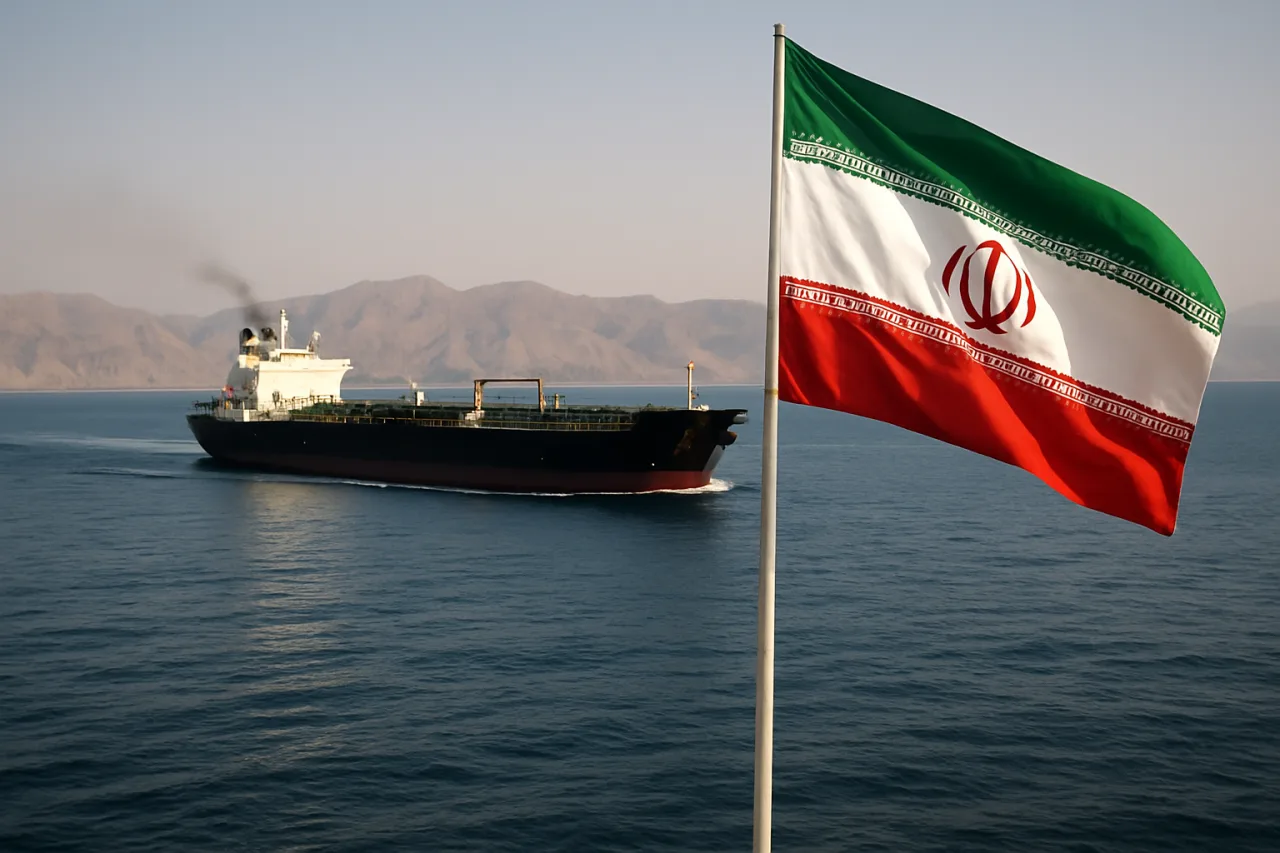
The state of play, verified across Monday’s wires: Iran floated, through Omani and Qatari mediators over the weekend, a Hormuz reopening within seven days — a proposal to reopen the same strait Tehran had threatened to close as escalation mounted through late September. The US rejected the weekend framing as a seven-day hostage-then-release construct (“unacceptable”), but the channel itself stayed open, which is why Araghchi flew to Doha, met the emir Monday, and walked out stating he expects the American reply by Tuesday, per Al Jazeera’s Monday account. Qatar’s mediation role matters for the Philippines specifically: Doha hosts hundreds of thousands of Filipino workers, and every de-escalation step in the Gulf is a remittance-corridor stability step. The Hormuz reopening proposal’s substance — the seven-day window — is the negotiable piece; Trump’s “we’re going to win” framing suggests the US side wants sequencing guarantees (inspection, verification, immediate free passage) attached before any timeline is accepted. Between those positions sits today’s answer, and the market’s positioning tells you traders believe the range of outcomes is still wide: Brent’s backwardation — near-dated crude pricier than deferred — persists around $7 at the front, meaning the physical market still pays up for oil it can actually load today versus oil promised for later. That structure was the tell in PSE Watch #003 and it says the same thing now: nobody has priced certainty into crude yet.
WorldNgayon Analysis: A reply “expected by Tuesday” is a scheduled information event — rarer than a leak, better than a rumor, and the most tradable kind of headline an OFW can get ahead of, because the clock is public.
Bottom Line: The channel is open, the deadline is public, and the two positions remain apart on sequencing — today’s reply decides whether oil’s 75%-gain year gets a release valve or a squeeze.
Why Gold Fell While War Risk Rose — the Yield Mechanism, Not the Fear Gauge
The counterintuitive print of the week deserves its own paragraph because it fooled a lot of first-instinct readers: with the Hormuz reopening question unresolved and the reply pending, gold did not rally — it fell more than 3% to $4,111, its worst single session since August 5. The mechanism runs through the Fed, exactly as the hike-odds mapping in World Investment Watch #001 laid out and WIW #002 applied on Sunday: with oil near $107 feeding headline inflation, money markets now price a second consecutive Fed hike at 65-70% for the October 27-28 meeting (CME FedWatch at 68% at yesterday’s close, event markets clustered near 65%), the 10-year Treasury yield pushed to 5.22% — the highest since June 2007 — and every basis point of that repricing raises the real return on cash and short-term paper. Gold pays no yield, so it loses the competition dollar-for-dollar. Silver took it worse, near $61.29 down almost 5%, and gold-silver’s ratio stretched toward 67. If the Hormuz answer today is a clean Hormuz reopening de-escalation, the oil premium unwinds, hike odds ease back toward the mid-50s, and gold gets relief; if the answer is rejection or a partial non-statement, oil re-prices higher, hike odds go through 70%, and gold’s bleed continues — the metal’s short-term fate is now a function of a diplomatic channel, two economic prints, and the Fed’s inflation math, in that order. The long-term holder story hasn’t changed; the week-long tactical picture absolutely has.
Bottom Line: Gold’s Monday loss is the yield mechanism working in public — fear is not driving this tape; 5.22% on the 10-year is.
The Peso Side — Where PHP Hangs While the Answer Pends
The dollar side of the OFW ledger held in a narrow band as everyone waits: the dollar index firmed near 101.4, a two-month peak, and the peso traded roughly 62.43-62.60 at bank and remittance quotes Monday — inside the range WIW #002 mapped Sunday, with the month’s high of 62.86 from September 15 still the outer marker. The pressure path into Wednesday is unchanged: August PCE (the Fed’s favored inflation gauge) prints tomorrow against a backdrop of 3.4% core inflation from the last release, September payrolls arrive Friday, and the September 14-15 CPI print showed Philippines-side inflation still well above the BSP’s 2-4% band — which means the BSP cannot cut cushion the peso either way this week. The Hormuz reopening answer feeds this directly: a clean reopening pulls Brent down several dollars from $107, softens the import bill, eases the Fed’s case for a second October hike, and historically lets regional currencies including the peso breathe; a rejection does the opposite. The practical translation for a worker in Riyadh watching both ends of the corridor: send-day timing this week is dominated by one headline and two prints — and the tranche structure below is how you stop trying to time all three simultaneously.
Bottom Line: Peso 62.4-62.6 with a two-month dollar peak — the corridor is stable until one of three events moves it, and the first of the three is today’s reply.
The Tranche Calendar’s First Live Test — Three Hormuz Reopening Scenarios, Three Actions
Sunday’s WIW #002 built the 3-tranche plan keyed to Wednesday’s PCE and Friday’s NFP: tranche one converts on the current dip regardless, tranche two waits for the print reactions, tranche three holds as the insurance leg. Today adds the Hormuz scenario layer to each tranche, and the mapping runs like this. Scenario one — full reopening agreed with verification: Brent likely sheds $5-10 to retest the upper-$90s, hike odds retreat toward 55%, gold bounces off $4,100, the peso firms toward 62.2-62.4 — tranche one’s converted dollars are locked at the high rates (no regret), tranche two converts on the peso-firming window that follows within 24-48 hours, tranche three stays untouched pending Wednesday’s PCE. Scenario two — partial answer, negotiations extended: the most likely middle path, oil meanders $104-108, nothing urgent changes — the calendar runs on schedule: no panic conversion, tranche two still keyed to the PCE print, tranche three still keyed to NFP. Scenario three — rejection and escalation: Brent pushes toward $110+, hike odds firm above 70%, peso weakens toward 62.7-63.0, and the plan’s discipline is what saves the quarter — tranche one already converted near 62.4-62.6 means the worst pressure hits a portfolio that already moved, tranche two becomes the judgment call (the rule from #002 stands: convert half on any 62.8 print, keep half for Friday), tranche three remains the floor protection. The whole point of the exercise: every scenario has an assigned action written before the headline, so the reply-whatever-it-is triggers a plan you already own instead of a decision you make under adrenaline. That is the difference between reacting and being positioned — and it is the entire reason this franchise runs a calendar instead of a prediction.
Bottom Line: Three scenarios, three pre-assigned tranche actions — the conversion plan just absorbed its first geopolitical stress test without needing a single change.
The Three Dates to Circle — Today, Thursday, Friday
Date one — today, Tuesday: the Hormuz reopening reply window (Araghchi’s own timeline) plus the DevDay keynote running in the AI lane — the geopolitical print comes first for money movement. Date two — Friday, October 2: September US payrolls, the second input to the October 27-28 Fed decision; the last time payrolls printed hot against this cycle, hike odds jumped within the hour. Date three — back home, October 1: the GCash IPO final pricing lands (the offer opens October 1 — tomorrow’s watch item, with the ₱6.60 anchor analysis already live in the GCash price-eve piece), and for the money lane it means the week’s third event is domestic, retail-facing, and tranche-adjacent: GStocks subscription cash is money that will not be converting to dollars, and that flow pressure adds its own wrinkle to peso-side timing. Three dates, three decision layers — the OFW reader who circled them Sunday is already positioned to act on each without re-doing the analysis under time pressure, and the reader meeting them for the first time today has the same map one day later at the cost of one careful read.
Bottom Line: Tuesday the reply, Friday the payrolls, Thursday-night into Friday the GCash print — each date has a tranche rule attached, and none requires prediction, only preparation.
Frequently Asked Questions
Did Iran actually offer the Hormuz reopening deal?
Yes — delivered over the weekend through Omani and Qatari channels as a proposal to reopen the Strait within seven days. The US called the seven-day framing “unacceptable,” but kept the mediation channel open: Iran’s foreign minister met Qatar’s emir Monday and said he expects Washington’s reply by Tuesday. The negotiable piece is sequencing and verification, not the reopening concept itself.
Why did gold fall 3% while a war risk was unresolved?
Because fear is not this week’s driver — yields are. With Brent near $107 feeding inflation, markets price a 65-70% chance of a second Fed hike in October, the 10-year yield hit 5.22% (highest since 2007), and gold pays nothing while cash pays that. Gold at $4,111 marked its worst day since August 5; the metal needs the hike odds to retreat before it can bounce sustainably.
What happens to the peso after a Hormuz reopening?
Historically the peso firms: a clean reopening pulls Brent down $5-10, softens the import bill and the Fed’s inflation case, and lets regional currencies breathe — the mapped band firms toward 62.2-62.4 versus the month’s 62.86 high. If the answer is rejection, expect 62.7-63.0 pressure. Either way, tranche one of the calendar is already converted at current rates, so the extremes hurt less.
What is the 3-tranche conversion plan for OFW remittances?
Split the month’s conversion into thirds: tranche one converts immediately on the current rate regardless of headlines (locks a floor), tranche two converts on the reaction window after Wednesday’s PCE print, tranche three holds until Friday’s NFP reaction or as protection if rates improve. The structure accepts you cannot predict three events in one week — it just stops any single event from wrecking the whole month’s rate.
Should I wait for tomorrow’s PCE print before converting remittances?
Never on 100% of the money — that’s the whole tranche logic. Wait on tranche two and three if you like: PCE tomorrow (the Fed’s favored gauge, core at 3.4% last read) and NFP Friday are both genuine movers of the October hike odds, which drive the dollar-peso pair. But tranche one converting today is the premium you pay for the certainty of having converted something at these already-historic peso rates.
Financial Disclaimer: This article is for general information and education, not investment or financial advice. Foreign exchange, commodity and security markets involve risk; past behavior does not guarantee future results. Consult a licensed financial adviser before making investment decisions. WorldNgayon.com is not a financial adviser.