Key Takeaway
- 🏥 A health data breach hits a different account than your bank: medical identity is used for care, insurance claims, and prescriptions — so the damage shows up in Explanation-of-Benefits statements and provider records, not credit alerts.
- 📬 The Five Signs framework beats waiting for warnings: a breach notice letter, unknown items on your EOB (“this is NOT a bill”), a bill for care you never received, collectors calling about medical debt that isn’t yours, or intake staff asking you to confirm treatment you never had — each sign is a lane with a documented response.
- 📞 The FTC sequence is insurer → records → report: contact your health insurer’s fraud department with the EOB errors, get copies of your medical records from every provider involved, and file the identity-theft report — in that order, with the paperwork the insurer needs you to bring.
- 🩺 You have the right to see and correct your records: a written request starts the clock — and if a provider stalls past 30 days or refuses, the Health and Human Services Office for Civil Rights is the complaint lane.
- 🛡️ Prevention is watching, not hiding: read every EOB as it arrives, flag your file after a breach letter, and treat the exposed data honestly — a breach of medical info WITHOUT your SSN or insurance number rarely becomes medical identity theft, but the EOB still gets watched.
Table of Contents
A health data breach letter lands differently from a retail-breach email: the exposed file is your medical history, and the practical question — “now what?” — has an answer most coverage never assembles. The consumer-protection record does assemble it, and this guide consolidates the sequence: what each category of exposed data actually threatens, the five signs that medical identity theft is underway, the insurer-first response sequence the FTC document walks, your records-access rights when providers hold the evidence, the complaint lanes when the system stalls, and the watching habits that catch a medical-identity thief before a bill ever reaches collections. The goal is the calm version of the truth: medical identity theft is serious and survivable, the response machinery exists, and the person who reads their EOB detects it first.
Health Data Breach: What Was Exposed Changes the Threat
The breach letter’s most important paragraph is the list of what left the organization’s control — the California Attorney General’s guide is explicit that not every medical breach creates the same risk. Health insurance or health-plan numbers exposed: the risk lane is someone using YOUR benefits — call your insurer or plan, tell them about the breach, ask them to flag the account, and start watching Explanation-of-Benefits statements closely. Social Security numbers in the same breach: the credit-identity lane opens — fraud alert or security freeze on credit records comes FIRST, then the medical watching. Medical records or clinical information exposed WITHOUT SSN or insurance numbers: the guidance states this generally does not pose a risk of medical identity theft — the watching habit stays anyway. The UK’s NHS patient guidance frames the same threat menu in plain terms: breached personal data can feed scams, phishing, identity fraud, discrimination, and reputational damage — the scam lane arrives fastest, which is why breach-letter week is prime-time for fake “compensation” and “monitoring” offers and the fake-website checklist earns its place in every inbox this month.
The Five Signs of Medical Identity Theft After a Health Data Breach
The California AG framework names five signals, and each has its own first move. One: the breach notice letter itself — read what was exposed against the table above. Two: an unknown item on an EOB — call the insurer at the number on the statement, ask for details, and ask them to investigate anything you didn’t receive. Three: a bill for care you never got — tell the creditor you did not receive the service and are not responsible, then open the medical-records fight (below). Four: collections calls about medical debt that isn’t yours — the financial-identity playbook runs in parallel, and the medical side still gets its records correction. Five: intake questions that reveal a phantom history — staff “verifying” surgeries or conditions you never had; ask for the billing supervisor and have the records investigated and flagged. Two more detectors worth adopting regardless of any breach: annual records pulls on major files, and EOB reading as a habit — the household that reads every EOB catches a health data breach thief at item one instead of sign five.
The Response Sequence: Insurer, Records, Report
- Contact your health insurer first. The FTC’s medical identity theft guide runs the order: get your EOB statements, notify the insurer’s fraud department about any errors, and ask them to note and flag the breach on the account where applicable.
- Review the medical records themselves. Contact each doctor, clinic, hospital, pharmacy, or laboratory where the thief used your information; request copies; report the errors to the provider and to any provider who gave care to the thief; and bring the documentation — a copy of the medical record showing the mistakes is what the correction request carries.
- File the identity-theft report. IdentityTheft.gov takes the report and generates the recovery plan; the same page covers the Medicare and Medicaid lanes with their specific contacts when those programs’ numbers are the exposed credentials.
- Exercise the correction rights in writing. Your right to inspect and amend records is federal law — written requests start the clock, and a refusal or 30-day stall goes to the HHS Office for Civil Rights.
- Watch the financial edge. Medical identity theft drags a financial shadow — bills, collections, sometimes credit — so the freeze/alert decision from the exposure table rides alongside throughout, and our credit-lane guides carry that half in full.
What a Health Data Breach Costs You (and What It Doesn’t)
Honest threat-modeling keeps the panic calibrated. What a thief CAN do with medical-identity data: receive care under your insurance, order prescriptions against your benefits, and poison your records with a stranger’s history — the last one is the quiet danger, because a wrong allergy or condition on file can affect YOUR care. What a typical breach does NOT directly enable: draining bank accounts (unless payment cards were in the same file), or automatic credit damage (that’s the SSN lane). The scam layer is the immediate wave — NHS guidance flags phishing, scam calls, and fake letters as the near-term risk — and the defense there is the standard one: no payment on any call about your “case,” no logins through letter QR codes, and the scam-routing lanes. Calibrate by exposure category, act on the five signs, and the breach letter becomes paperwork, not catastrophe.
Prevention: the Watching Habits That Catch Medical Identity Theft
- Read every EOB the week it arrives — the itemized check for care you didn’t receive is the single highest-value habit in this lane, per every source above.
- Flag the file after any breach letter — the insurer notation and provider flag cost one call and create the paper trail that makes disputes clean.
- Keep the provider directory current — knowing which pharmacies, labs, and clinics hold your records shortens the response list from “who might have it” to “these four.”
- Shred, guard, and don’t overshare — statements and EOBs in the trash are the offline breach; the insurance number shared on random wellness forms is the online one.
- The family layer: kids’ and parents’ files get the same watch (dependent EOBs are the most commonly ignored) — and the Philippines-side context our breach-statistics coverage documents makes the household habit a regional necessity, not an import.
Frequently Asked Questions
What Should I Do First After a Health Data Breach Letter?
Read the exposure list on the letter against the three lanes: insurance numbers mean a call to your insurer to flag the account; SSN exposure means the credit freeze lane first; medical-records-only exposure generally means watch-and-verify, per the California AG guidance. Then the universal layer: expect scam contacts referencing the breach this week and verify everything through typed domains before trusting any “help” that arrived by message.
How Do I Spot Medical Identity Theft on My EOB?
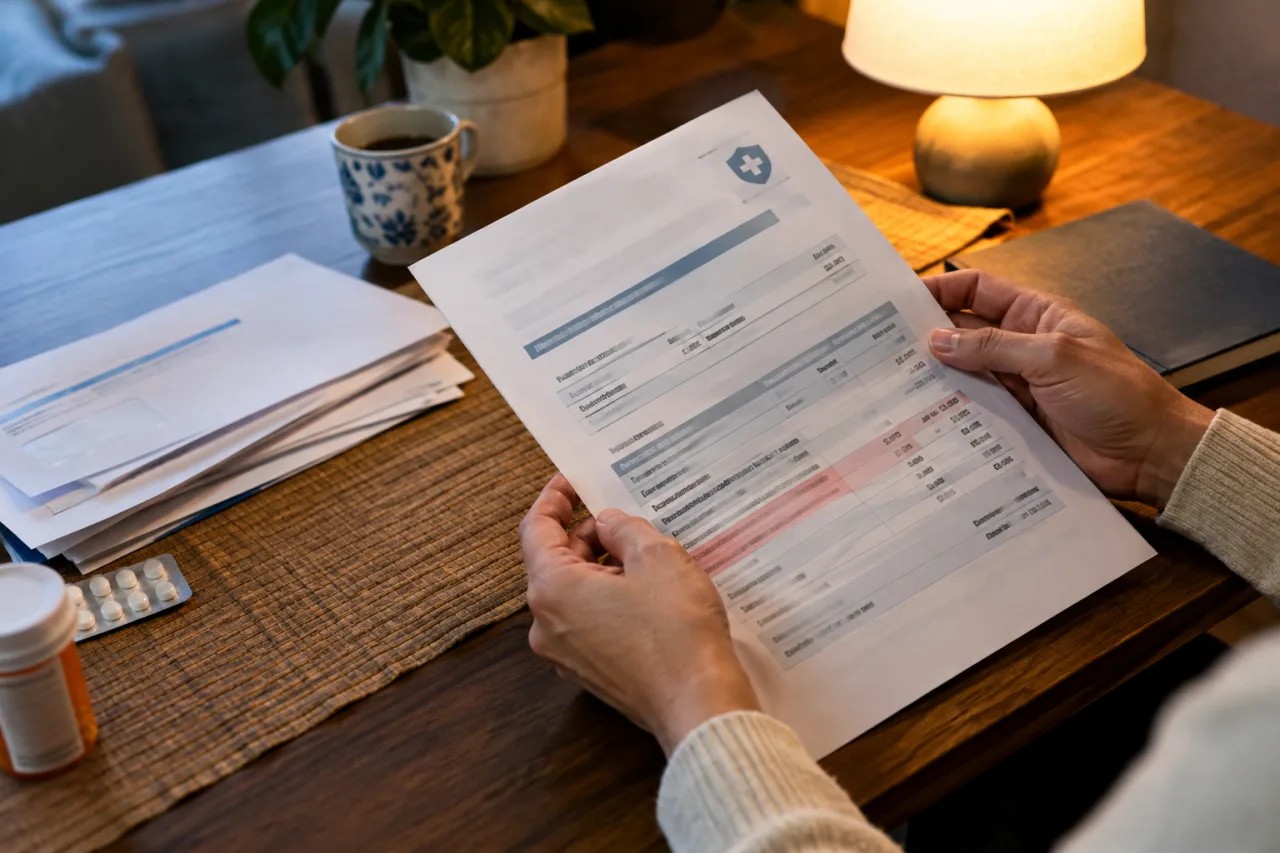
The EOB — the “this is not a bill” statement your insurer sends — lists services under your name with dates and providers: any item you didn’t receive is the sign. Call the insurer at the number printed on the statement, ask for the claim’s details, and open the investigation; the five-signs framework treats the unknown EOB item as the highest signal because it means a claim already processed under your identity.
Can I Correct Medical Records That a Thief Created?
Yes — you have the right to inspect your records and request amendment in writing: gather the EOB item and any provider documentation showing the service wasn’t yours, submit the written correction request to each provider involved, and follow through with the identity-theft report as supporting evidence. A provider that refuses or stalls past 30 days goes to the HHS Office for Civil Rights as the complaint lane.
Does a Health Data Breach Affect My Credit?
Only through the exposure list: health data alone rarely touches credit, but if the same breach carried Social Security numbers, the credit lane opens and the fraud-alert-or-freeze decision runs FIRST per the California AG framework. The FTC’s sequence keeps the two lanes separate on purpose — insurer fraud departments handle the benefits side, and the credit bureaus handle the SSN side — with IdentityTheft.gov generating the combined plan when both are exposed.
What Are the Warning Signs of Medical Identity Theft?
The five signs: a breach notice involving your insurance numbers, unknown items on EOBs, bills for care you never received, collections calls about unfamiliar medical debt, and intake staff asking you to confirm treatment you never had — each with its documented first move in this guide. The habit that catches all five early: reading every EOB the week it arrives, for every member of the household including dependents.
Financial Disclaimer
This article provides general consumer-protection information and does not constitute legal or medical advice. Rights, procedures, and agency contacts vary by country and change over time; verify against the official FTC, HHS OCR, IdentityTheft.gov, and your local regulator pages before acting. The author and publisher disclaim any liability for actions taken based on this information.
- Official oag.ca.gov/privacy/facts/medical-privacy/med-id-theft
- digital.nhs.uk/data-and-information/information-governance/guidance/i…
- Official govinfo.gov/content/pkg/GOVPUB-FT-PURL-gpo133882/pdf/GOVPUB-FT-PURL-g… — FTC’s medical identity theft guide runs the order
- Official identitytheft.gov/Info-Lost-or-Stolen
External sources linked in this article, in order of first mention. Spotted an error or a broken link? Tell us.
Cite this pagePublished Oct 31, 2026
Agron, E. (2026, October 31). Health Data Breach: What to Do When Your Medical Records Surface. WorldNgayon. https://worldngayon.com/health-data-breach/
Agron, Edmon. “Health Data Breach: What to Do When Your Medical Records Surface.” WorldNgayon, 31 Oct. 2026, worldngayon.com/health-data-breach/.
Agron, Edmon. “Health Data Breach: What to Do When Your Medical Records Surface.” WorldNgayon, October 31, 2026. https://worldngayon.com/health-data-breach/.
Agron, E. (2026) ‘Health Data Breach: What to Do When Your Medical Records Surface’, WorldNgayon, 31 October. Available at: https://worldngayon.com/health-data-breach/.
E. Agron, “Health Data Breach: What to Do When Your Medical Records Surface,” WorldNgayon, Oct. 31, 2026. [Online]. Available: https://worldngayon.com/health-data-breach/
@online{agron2026healthdata,
  author       = {Agron, Edmon},
  title        = {{Health Data Breach: What to Do When Your Medical Records Surface}},
  year         = {2026},
  date         = {2026-10-31},
  organization = {WorldNgayon},
  url          = {https://worldngayon.com/health-data-breach/},
  urldate      = {}
}TY - ELEC AU - Agron, Edmon TI - Health Data Breach: What to Do When Your Medical Records Surface T2 - WorldNgayon PY - 2026 DA - 2026/10/31/ UR - https://worldngayon.com/health-data-breach/ Y2 - ER -
Cite the version you read; the page may be updated. Zotero and Mendeley can also import this page directly.