PSE Watch #013 — the GCash IPO Week’s Broken Shelf
Table of Contents
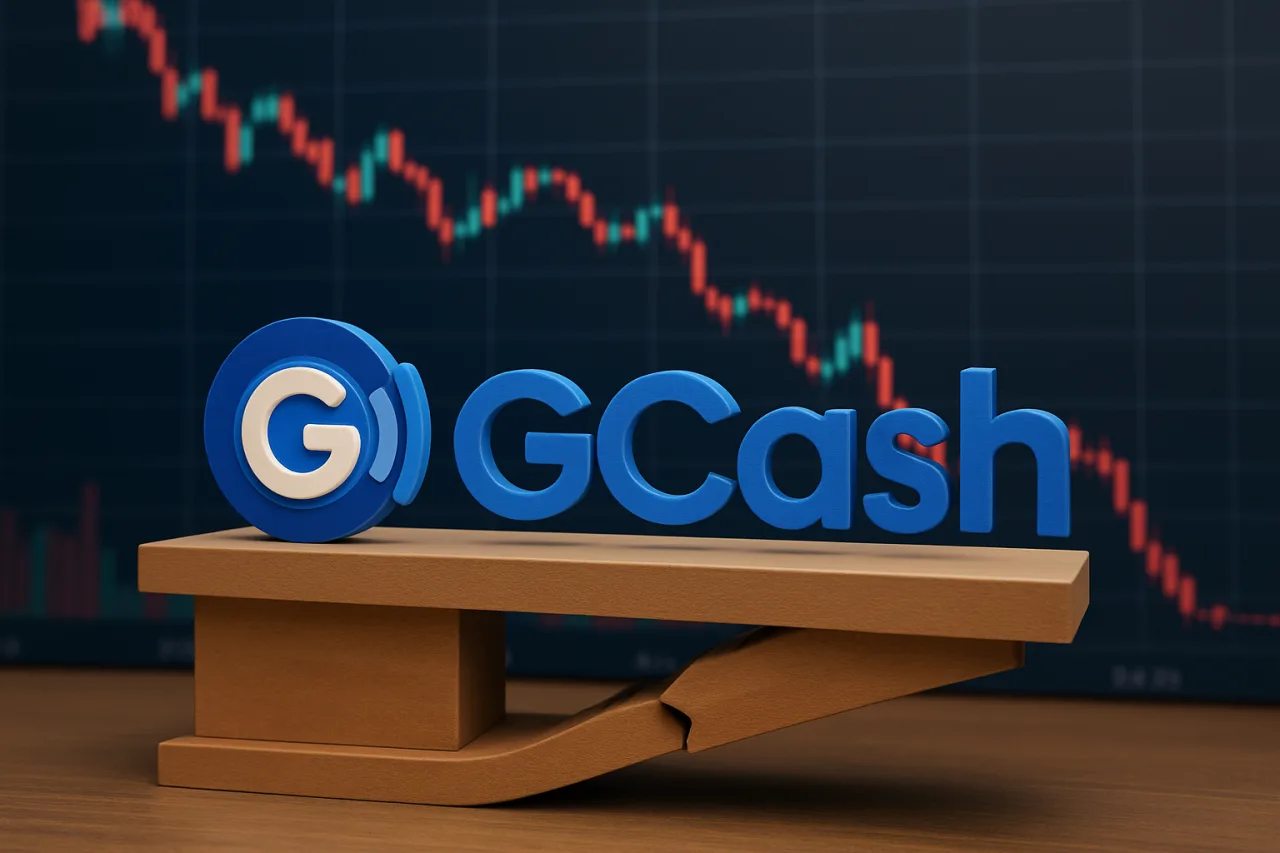
GCash IPO week just met its first stress test — and the shelf did not hold. PSE Watch #012 documented the index reclaiming 5,700 on positive breadth last Tuesday; three sessions later the PSEi closed 5,610.39, down 126.30 points (-2.20%) on ₱6.37 billion of turnover — a full-clip red session that retraced nearly three weeks of ladder work in one afternoon, and it happened exactly where the liquidity week’s map said pressure would land — the GCash IPO clock meeting a breaking shelf. This episode reads the break, the macro squeeze that squeezed it, the GCash clock ticking underneath, and the four playbook moves for holders deciding what a broken shelf actually means for position sizing.
Key Takeaway
- 📉 The 5,700 shelf broke in one session: PSEi 5,610.39 (-126.30, -2.20%) on ₱6.37B traded — the follow-through failure of #012’s reclaim, retracing the ladder back onto #011’s 5,600 band support with the month’s drawdown now -8.28%.
- 🏦 The squeeze is a hiking cycle, not a risk-off rumor: BSP’s policy rate sits at 5.00% after June’s 25bp HIKE, September inflation printed 7.20% (from 6.10% — accelerating), and the next Monetary Board meeting is October 23. Any “cuts are coming” narrative in your feed predates the inflation re-acceleration; treat bullish rate-cut chatter against this tape’s own prices.
- ⏱️ The GCash IPO clock runs the week: listing proceeds and cornerstone allocations (68.8% absorbed at ₱6.60 per the pricing-day receipts) keep liquidity parked through IPO mechanics while the index funds its red week — the ₱53B queue’s demand shadow is still the tape’s biggest liquidity event, now WITH a downside tape behind it.
- 🧭 The playbook is ladder-discipline, not heroics: respect the 5,600 band test that #011’s map pre-drew; match position size to the band’s survival, not to rebound hope; let the October 23 Monetary Board meeting decide the next leg’s direction; and treat the GCash IPO’s listing mechanics as the liquidity wildcard it has now proven to be.
The Tape: One Session Undid Three Weeks of Ladder Work
The receipts, verified across independent trackers (Trading Economics’ PSEi series, BusinessWorld’s session wrap, First Metro’s close sheet — concordant on every figure):
- Close: 5,610.39, -126.30 points, -2.20% — a full-clip day, the index’s worst single session of the October ladder so far.
- Turnover: ₱6.37 billion — heavy for a red GCash IPO week tape, meaning the selling was PARTICIPATED, not drift. Distribution sessions differ from drift days by exactly this signature: volume backs the move.
- The technical damage: #012’s reclaim (the breadth episode) survived two sessions and failed the third. The index is back inside #011’s 5,600-band map — the exact zone that episode pre-drew as the defense line. Month drawdown -8.28%, year -7.38%.
- The breadth question (next read): advances/declines data for the session wasn’t available at close time; the episode updates if the divergence picture (few names falling, many drifting) contradicts the distribution read.
Why the Shelf Broke: the Macro Squeeze Behind the Red Session
Three pressures, all dated:
- The BSP hiking cycle — the tape’s own inflation math: policy rate 5.00% (after the June 2026 hike to 4.75%, then further tightening per the official Monetary Board decision record); September inflation 7.20%, accelerating from 6.10% — rising prices with a central bank still leaning in means the discount rate on every PSE cash flow stays punitive for now.
- The global squeeze day: October 8 was red worldwide — the tape caught the same wave while the GCash IPO week thinned local books (crude +4.5% on supply shocks, US indices off the highs, risk bids pausing for CPI). Local institutional flows didn’t need a local excuse; the world supplied one.
- IPO-week mechanics: when a listing of GCash’s scale runs its clock — cornerstones locked, funds clearing, allocation desks finishing — the broader book thins exactly while index-heavy names reprice. The GCash IPO subscription queue (₱53B, documented in #011) is itself a liquidity drain from the secondary market until it settles into allocations.
The synthesis: this was not a mystery — it was the map working. Liquidity tightening (BSP hold-to-hike posture) + a global risk day + the biggest local liquidity event in months running its absorption clock = the shelf’s math stopped adding up. #012’s watch-condition said “positive breadth, or the shelf breaks on any macro wobble”; the macro wobble arrived and the shelf broke.
The GCash IPO Clock: What This Week Does to Every Session Now
- The absorption math: cornerstone allocations absorbed 68.8% of the base offer at ₱6.60 (the cornerstone math receipts) — institutional money parked in lock-ups while the free float forms. Until listing-day flows settle, the market operates with a temporary liquidity shadow: big index names move on thinner books than the turnover suggests.
- The sentiment coupling: IPO prices are set on momentum — and momentum just broke. Expect the subscription-quality discourse (over/under-subscription reads, gray-market chatter) to turn with the tape this week; the ₱6,600 ticket conversation (#013 pricing episode receipts that ticker-level math) now carries a red-market context.
- The OFW/retail lens: the reader deciding whether GCash belongs in a long-term basket should watch the listing-week tape as information: a successful debut IN a red market is a strong demand signal; wobbles before listing day are mechanic noise. Neither is a buy/sell order — it’s context for a decision that belongs after the stock actually trades.
- The pattern to watch: every big IPO week in PSE history carries a pre-listing volatility signature. The episode’s job is naming the GCash IPO pattern so the week’s red doesn’t get over-read as trend change — the trend call belongs to the 5,600 band and the October 23 board, not to IPO mechanics.
The OFW Money Angle: Positions, Timing, and the Ber-Months Lens
For the OFW reader, this episode’s practical layer — the GCash IPO week and the broken shelf change three concrete decisions, not just the narrative:
- Remittance-timing windows: a distribution tape on a hiking cycle historically widens the discount windows for buying quality names — but the disciplined move is staged buying only AFTER the 5,600 band resolves (defend or break), not bargain-hunting into the wobble. Waiting one session for the band’s verdict costs little; catching a falling knife mid-distribution costs position sizing.
- Ber-months liquidity: the September-December stretch is when OFW households fund tuition top-ups, holiday travel, and 13th-month-adjacent spending — the season where money invested in a red tape must not be money needed in 60 days. If the GCash IPO allocation you were considering competes with ber-month cash needs, the red session just answered part of that question for you: the horizon rule (money needed within the year stays out of equities) out-ranks any listing-week enthusiasm.
- The IPO allocation math: the ₱6,600 minimum ticket conversation from the pricing episode carries a new clause after this week — a red-market debut context means listing-day pricing can gap either way; OFW retail allocations (the PSE’s small-investor set-aside mechanics) should be sized as money fully ready to ride volatility, never as the household’s operating cash.
- The diversification receipt: one red session erasing three ladder weeks is the argument for diversified baskets (index funds, dollar-earning assets) doing the heavy lifting for OFW portfolios — the GCash IPO is a candidate for a satellite position at most, sized so that a -2.20% day on the index never threatens the household ledger.
The Investor Playbook: Four Moves for a Broken Shelf
- Move 1 — respect the map, don’t renegotiate it: #011 pre-drew 5,600 as the defense; the price is knocking on it. The disciplined response is pre-written: if the band holds on a retest with volume fading, the ladder thesis survives; if 5,600 breaks with participation, the thesis steps aside and waits for the next map. Decide in advance — the worst trades happen when the map gets amended mid-drawdown.
- Move 2 — match size to survival, not hope: position sizing in a hiking cycle differs from a cutting cycle: the tape’s downside tail is fatter when the central bank leans hawkish into accelerating inflation. Trim-to-sleep-size beats averaging-down-into-the-wobble for anyone whose time horizon is months, not years.
- Move 3 — date the next catalyst (October 23): the BSP Monetary Board’s October 23 meeting (MB No. 11 on the calendar) is the tape’s known decision point — pre-position by writing down both branches now: hold-with-cuts narrative vs further-hold/hike narrative, each with the price action that would confirm it. The meeting decides nothing for you; YOUR pre-written branches decide everything.
- Move 4 — treat the IPO as mechanics, not omen: The GCash IPO’s listing week is a liquidity event with a volatility signature, not a market verdict. Long-term holders of index baskets should neither front-run listing-day euphoria nor fear the pre-listing wobble; both are the mechanics of a ₱53B event passing through a thinning book.
The Watch: 5,600 Band Defense and the October 23 Board
The standing watch-list between now and the next episode:
- 5,600 band: a defend-with-fading-volume session re-arms the ladder; a participation break (₱6B+ downside turnover again) demotes the map and starts the search for the next support. The band is the tape’s clearest line, drawn in #011 and tested now.
- October 23 Monetary Board: the inflation trajectory (7.20% September, accelerating) makes this meeting a genuinely open question — the board that hiked in June into rising prices will decide whether October’s print forces more. The episode pre-writes both branches; the tape supplies the verdict.
- GCash listing mechanics: listing-day turnover, cornerstone lock-up confirmations, gray-market direction — each lands like a liquidity shock in miniature. The next episode reads whichever lands.
- The oil spillover: Brent above $104 feeds Philippine inflation math directly (import bill); the October 5 release landed INSIDE this window — the board reads the same oil chart investors do.
Frequently Asked Questions
Why did the PSEi fall over 2% on October 8?
Three pressures landed the same session: the BSP’s tightening posture (policy rate 5.00%, September inflation accelerating to 7.20%), a global risk-off day (oil +4.5% on supply shocks, US indices off record highs), and GCash IPO week mechanics draining liquidity while cornerstones lock allocations. Heavy turnover (₱6.37B) confirms participation — a distribution session, not drift.
What is the 5,600 band and why does it matter?
The 5,600 zone is the support level this series’ liquidity-week episode (#011) pre-drew from breadth and institutional-flow maps — the price area where the October ladder’s buyers previously defended. After the 5,700 reclaim failed its third session, the index sits back on this band. Its defense (or break with volume) decides whether the October ladder thesis survives.
Is the BSP going to cut rates soon?
Treat any such narrative against the current record: the last documented move in the official decision ledger was a HIKE (to 4.75%, June 2026), policy sits at 5.00%, and inflation is accelerating (7.20% in September from 6.10%). The next decision point is the October 23 Monetary Board meeting. Older commentary forecasting cuts predates the inflation re-acceleration — this episode carries no rate forecast, only the decision framework.
Should I buy GCash stock during IPO week in a falling market?
That decision belongs after the stock actually trades, with its own receipts in hand. What the tape gives you now is context: listing-week volatility is mechanism (cornerstone lock-ups, liquidity drain), not verdict. A strong debut IN a red market would be a genuine demand signal; pre-listing wobbles are noise. The pricing-day math lives in the dedicated pricing episode.
What should small investors do when a support level breaks?
Follow the map written before the emotions: pre-decided responses to a band break — trim-to-sleep-size, stop-review, or hold-with-conditions — execute without renegotiation. The discipline matters most exactly when it’s hardest: distribution sessions with volume (like this one) punish improvised decisions. Decide the branch now, before the next session opens.
Financial Disclaimer
This article is market intelligence for informational purposes only and is not financial, investment, or trading advice. All figures are session data from cited third-party trackers with their own methodologies. Index movements, support levels, and central-bank decisions involve uncertainty; do your own research and consult a registered advisor before making investment decisions.