Key Takeaway
- 📈 The move: on September 16, 2026, the Fed raised its benchmark rate 25 basis points to 3.75-4% — its first increase since 2023 — with updated projections pointing to another hike this year.
- 💵 The direct effect: dollar salaries, USD deposits, and dollar-denominated instruments earn more; Saudi-riyal and dirham earners see indirect pressure through their currencies’ dollar pegs.
- 🇵🇭 The peso side: a hawkish Fed typically strengthens the dollar against the peso — good for conversion timing, tough for peso-priced imports and Philippine inflation.
- ⏰ The strategic question: convert now and lock the favorable rate, or stage conversions as the Fed’s “another hike” lands — the framework below handles both.
- 🏦 The savings stack: USD time deposits, money-market funds, and T-bill ladders all reprice quickly in a hiking cycle — the OFW toolkit, ranked.
Table of Contents
What the Fed Actually Did — and Signaled
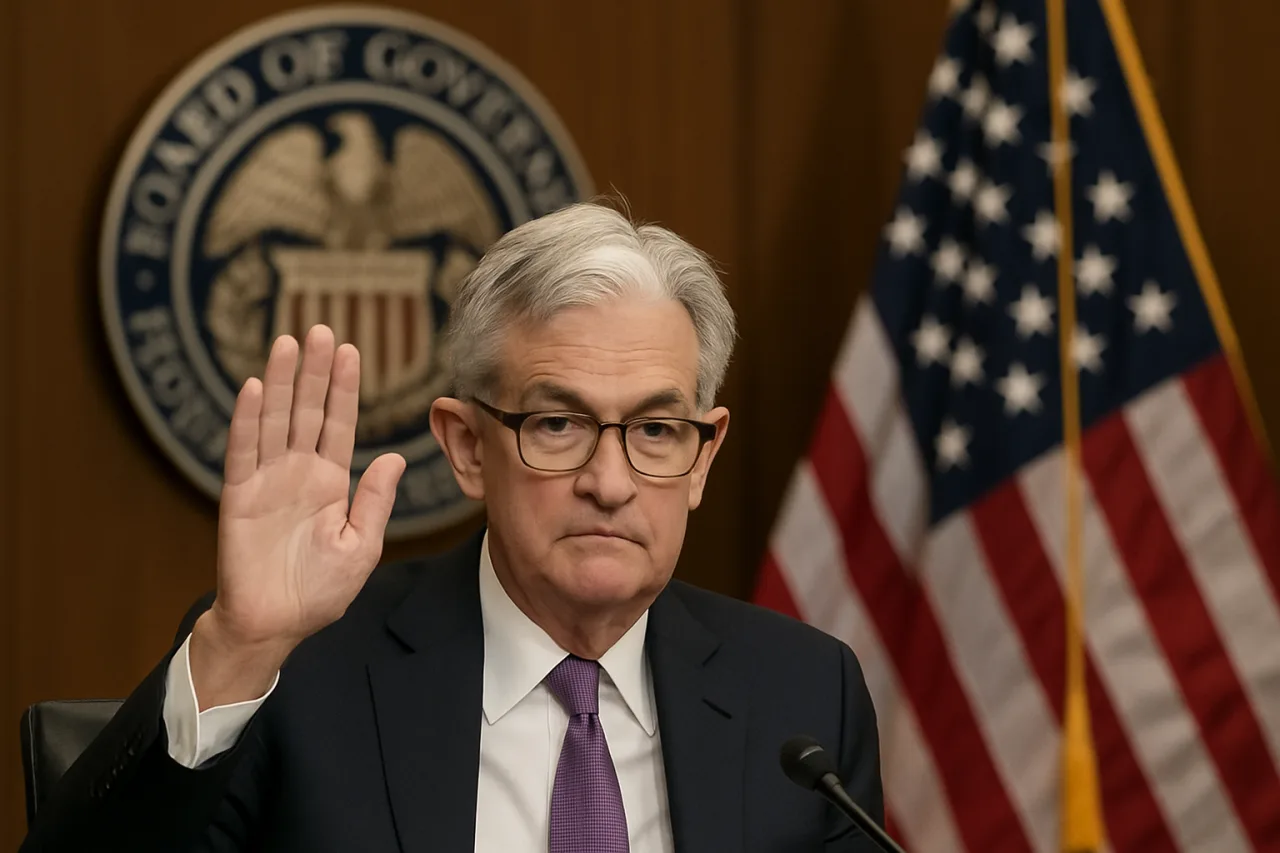
The Fed rate hike was expected; the detail still matters. The FOMC’s September 16 decision lifted the federal funds target range to 3.75-4%, the first increase in more than three years, approved unanimously. The statement’s language — “inflation remains elevated” — paired with updated projections indicating another rate increase this year. The Fed’s statement landed with Chair Kevin Warsh’s first hike as chair emphasized discipline; the dots did the rest of the talking.
For dollar earners, the shape of the cycle matters as much as the level. A single Fed rate hike is a headline; a projected sequence is a regime. Regimes are where savings strategy changes — deposit rates follow policy rates with a lag, and instruments that lock today’s rates (time deposits, T-bills at auction) capture the cycle while it lasts.
Three Channels the Fed Rate Hike Touches
First, what your dollar earns. USD savings accounts reprice slowly, but USD time deposits and money-market funds track the policy rate within weeks — a 3.75-4% policy rate supports USD deposit offers in the mid-3s to low-4s, versus near-zero a few years ago. OFWs keeping an emergency fund in dollars should re-shop those rates this month; inertia is the most expensive habit in a hiking cycle.
Second, what your dollar buys in pesos. A hawkish Fed widens the dollar’s yield advantage over the peso, which historically supports USD/PHP moving higher — more pesos per dollar. The peso had been rebounding on US-Iran talk optimism and trade flows; a hiking Fed works against that drift. For remittance planning, the direction is favorable: dollar strength tends to arrive with a lag, and staged conversions capture it without guessing the top.
Third, what your dollar costs in borrowing. Dollar-linked credit — the mortgage on the Batangas house, the vehicle loan priced off dollar benchmarks — gets more expensive. OFWs carrying dollar or dollar-linked debt should check whether refinancing into peso-denominated loans (where the income-currency mismatch allows) beats riding the hike cycle.
The Earn-Save-Send Framework
- Earn: if your contract pays in USD, nothing changes this month — but any upcoming contract renewal in a dollar-pegged economy (Saudi riyal, UAE dirham, Qatari rial all peg to the dollar) inherits the Fed’s cycle automatically. Pegged economies typically mirror Fed hikes to defend their pegs; expect local deposit rates to follow within a quarter.
- Save: split the strategy by horizon. The emergency fund stays liquid (money-market or instant-access USD); the 1-3 year money locks into USD time deposits now, capturing the cycle’s early rungs; the long-horizon peso goals keep their schedule — do not convert long-term peso needs into dollar bets.
- Send: stage conversions. If the peso weakens as the cycle progresses, averaging in (converting fixed amounts monthly rather than lump sums) captures the trend while capping the regret. Families budgeting in pesos should recheck the household conversion schedule this quarter — the assumption embedded in last spring’s budget is already stale.
The Peso Side of the Ledger
Higher dollar rates are not uniformly good news for the Philippine household. The peso price of imported goods — fuel, food staples, gadgets — rises with the exchange rate, feeding the inflation the BSP watches. The BSP’s own policy stance matters here: the BSP has been navigating its own Fed rate hike shadow cycle, and the Fed’s move constrains how quickly Philippine rates can fall. For the OFW family, that means the stronger conversion rate arrives alongside a costlier shopping basket at home — the two effects partially offset, and only the household’s actual spending mix decides the net.
Instruments to Ride Out the Fed Rate Hike, Ranked
| Instrument | Rate capture | Fit |
|---|---|---|
| USD money-market / high-yield savings | Fast repricing | Emergency fund |
| USD time deposits (6-12 months) | Locks current rates | 1-3 year goals |
| Philippine T-bills (via banks/apps) | Auction-priced, peso | Peso goals, sovereign safety |
| Dollar bonds / retail Treasury bonds | Fixed coupons | Long horizons |
| Leaving cash idle at 0.1% | None | No one — move it |
The last row is the point. Hiking cycles reward the boring discipline of moving idle cash into instruments that reprice — and they punish the inertia that leaves a decade of savings earning nothing while the cycle runs.
What the Last Hiking Cycle Taught OFW Savers
The 2022-2023 cycle was the rehearsal. OFWs who moved idle dollars into time deposits early captured two years of 4-5% yields; those who waited for the “final hike” signals missed most of it. The lesson generalizes: Fed rate hike cycles front-load their rewards to early movers, and the deposit repricing that follows policy moves is fast at the short end. This cycle’s difference is context — the September 2026 hike lands on an economy where AI-driven productivity debates, oil-price pressure from the Middle East conflict, and the Anthropic-OpenAI pacing drama all compete for the same investors’ attention. Rates, though, remain the boring variable that pays the bills.
One more carry-over lesson: currency swings in the last cycle whipsawed both directions. The peso hit historic lows before recovering — OFW households that panic-converted at the extremes did worse than those that staged. The 2026-2027 cycle deserves the same temperament: let the framework, not the headline, drive the transfers.
The Remittance Timing Playbook, Concretely
Staged conversion sounds abstract until you run the numbers on a real salary. Take the OFW sending $800 monthly. Under the staged approach, that transfer executes on schedule regardless of headlines — four remittances a month-quarter, each converting at the prevailing rate, averaging the ride rather than betting it.
The lump-sum alternative — holding three months of dollars and converting $2,400 once — wins only if the peso weakens on your exact schedule and loses symmetrically when it doesn’t.
The arithmetic that settles it: a staged sender who captures half the trend still beats roughly half of lump-sum attempts, because timing twice in a row is luck compounding.
The Fed’s “another hike this year” projection matters here as probability, not schedule — it shifts the drift in the staged sender’s favor without ever promising a date, which is precisely why the method is boring and effective.
Where the discipline breaks: emergencies. A family medical bill does not wait for the conversion calendar. The stack that absorbs this is the same one the savings section ranked — the emergency fund sits liquid in a money-market account, and the staged conversions run only on the surplus.
Timing strategy is for money that can wait; liquidity is for money that cannot. Households that conflate the two end up selling dollars at the worst rates because life arrived mid-cycle.
What the Fed Rate Hike Means for Saudi and UAE Earners
The riyal and dirham pegs convert this from an American story to a Gulf one within a quarter.
Pegged monetary authorities defend their exchange rates by shadowing the anchor currency’s policy — which means SAMA and the UAE central bank typically follow Fed moves with their own rate adjustments to keep the carry trade from attacking the peg.
The transmission to the OFW paycheck is indirect but real: local deposit rates on SAR and AED savings follow the pegged policy rate upward, the same lag that USD accounts show.
A Riyadh-based OFW with SAR savings should expect local deposit repricing within one to two quarters of the Fed’s move — and the same shopping discipline applies: re-shop the SAR time-deposit offers this quarter, because the banks that lagged in the last cycle kept savers at legacy rates for months while their competitors repriced in weeks.
The Borrowing Side: Dollar Debt in a Hiking Cycle
The savings half of the ledger gets the headlines; the borrowing half quietly reprices too. OFW households carrying dollar-linked obligations — the property loan priced off dollar benchmarks, the vehicle financing in a Gulf currency, the credit line tied to USD base rates — inherit the hike mechanically at their next repricing date.
The decision tree: if your dollar-linked loan reprices within six months and your income is dollar-denominated, the increase is symmetric and tolerable — your salary and your interest both ride the same cycle.
But if the loan is dollar-linked and your income is peso-denominated, the hike raises your debt service while your income stays flat, and the peso-conversion cost of servicing that debt also rises. That mismatched household should price a refinance into peso-denominated debt this quarter, accepting the conversion cost once, to escape a cycle-long mismatch.
The worst position is discovering the mismatch at the second hike — which the Fed’s own projections say is coming.
The Historical Anchor: Reading This Cycle Against 2022
Every hiking cycle invites the last one as comparison, and 2022-2023 offers both comfort and warning. Comfort: the transmission mechanics held — deposits repriced, T-bill auctions firmed, remittance currencies swung on Fed expectations, and the households that staged conversions outperformed the ones that timed them.
Warning: the cycle ran longer and higher than the first projections implied, and the savers who “waited for the peak” before locking time deposits missed the run entirely.
The 2026-2027 analog discipline: lock what you can lock early (the time deposits and T-bills at current levels), keep the liquidity buffer liquid, and treat every “final hike” headline as a probability statement rather than a promise.
The Fed’s 3.75-4% range with another increase projected is the starting line, not the finish — and the boring discipline of early locking is what the last cycle actually paid.
The Household Meeting: Turning the Framework Into Assignments
Strategy dies in households where one person holds it all.
The earn-save-send framework lands only when the family assigns it: the earner abroad owns the conversion schedule and the re-shopping of USD deposits; the home-based spouse owns the peso-side ledger — the basket of imported costs, the T-bill ladder, the budget line that assumed last spring’s exchange rate.
The monthly fifteen-minute call reviews three numbers: the achieved conversion rate against the month’s average, the emergency fund’s balance against its floor, and any repricing notices from banks on either side of the currency line.
The Fed’s cycle runs in quarters; the household review runs monthly; and the mismatch between those clocks is where most OFW money plans quietly fail. Assign the clocks, review on schedule, and the framework does what frameworks do — removes the headline’s power over your finances.
Frequently Asked Questions
When did the Fed raise rates and to what level?
September 16, 2026, to a target range of 3.75-4% — the first hike since 2023, approved unanimously, with projections signaling another increase this year.
Does this affect OFWs earning in Saudi riyal or UAE dirham?
Indirectly but meaningfully: those currencies peg to the dollar, so their monetary authorities typically mirror Fed moves to hold the peg — local deposit rates follow within a quarter or two.
Should I convert all my dollars to pesos now?
No single move fits everyone. The staged approach — converting fixed amounts on a schedule — captures the trend without betting everything on one rate. Long-term peso goals keep their own timetable.
What USD rates should I expect on deposits?
Policy at 3.75-4% historically supports mid-3s to low-4s on competitive USD time deposits and money-market funds — but shop offers monthly; banks reprice at different speeds.
Will the peso keep weakening?
A hawkish Fed pressures the peso, but trade flows, remittances, and BSP policy counteract. Nobody calls the top consistently — that is exactly why staged conversion exists.
Financial Disclaimer
This article is general financial information, not investment advice. Rates and projections change; consult a licensed financial adviser before making decisions.