Table of Contents
Saudi Arabia has made electronic salary payments mandatory for all domestic workers, including the hundreds of thousands of Filipino workers in the Kingdom, including domestic workers — and those whose employers miss the transition could face delays in receiving their pay. The Saudi e-salary domestic worker OFW policy, which took full effect on January 1, 2026, marks the completion of a phased rollout by the Ministry of Human Resources and Social Development (MHRSD).
This is not a new proposal. It is already law. Every employer in Saudi Arabia — whether they employ one domestic worker or ten — is now legally required to pay salaries through approved digital channels. Cash payments that leave no paper trail are no longer acceptable.
What Changed on January 1, 2026
The MHRSD launched the e-salary mandate in phases starting July 2024, beginning with new domestic workers entering the Kingdom. From there, the requirement expanded — January 2025 covered employers with four or more workers; July 2025 brought in those with three; October 2025 extended it to employers with two domestic workers.
January 1, 2026 was the fifth and final phase. It closed the loop entirely: even employers with a single domestic worker are now required to pay electronically. No exceptions.
The goal, according to the MHRSD, is to eliminate wage disputes, prevent underpayment, and create a verifiable digital record of every salary transfer. Saudi Arabia has consistently ranked electronic labor compliance as a priority under its Vision 2030 reform agenda.
How the Musaned Platform Works
The central tool for this mandate is Musaned, the official Saudi government platform that manages domestic worker contracts, recruitment, and now salary transfers. Think of it as the digital spine of the entire domestic labor system in the Kingdom.
Through Musaned, employers link their accounts to approved banks or digital wallets — including STC Pay and Urpay — and process monthly salary payments directly. The platform records every transaction, making it easy to verify whether a worker has been paid and when.
Domestic workers receive their salaries either directly into a bank account or through a Mada card, which functions like a debit card and can be used at ATMs across Saudi Arabia to withdraw cash or send money home via remittance services.
The salary amount must match exactly what is written in the employment contract. Partial payments or delayed transfers are flagged by the system and can trigger compliance reviews against the employer.
What Every Filipino Kasambahay in Saudi Arabia Must Do
If you are a Filipino domestic worker in Saudi Arabia, here is what you need to know and act on now.
Check that your contract is registered on Musaned. Your employer should have registered your employment contract on the platform. If you are unsure, ask your employer directly or contact the Philippine Overseas Labor Office (POLO) in Riyadh or Jeddah. An unregistered contract means your salary history cannot be tracked electronically.
Confirm how you are receiving your salary. Ask your employer which approved channel they are using — bank transfer or digital wallet. You should have either a local bank account tied to your employment or a Mada card issued through Musaned. If your employer is still paying cash without any digital record, that is a red flag under the new law.
Keep your own records. Screenshot or save every salary transfer notification you receive. Even with a digital system in place, having your own copy of payment records protects you if a dispute arises.
Know your salary schedule. Under Saudi labor rules for domestic workers, salaries must be paid at the end of each Hijri month unless both parties have agreed in writing to a different schedule. If payment is consistently late, document it and report it.
What Happens If Your Employer Does Not Comply
Employers who continue paying cash without registering on Musaned or using an approved digital channel are now in violation of Saudi labor law. The MHRSD has the authority to impose penalties and restrict employers from recruiting additional workers or renewing labor permits.
For Filipino workers specifically, a non-compliant employer creates a practical problem: without electronic salary records, proving underpayment or non-payment in a labor dispute becomes much harder. The digital trail that Musaned provides is also your paper trail if you ever need to file a complaint.
If your employer refuses to switch to electronic payments, you have the right to report this to the MHRSD through the MHRSD’s official channels or through the Musaned platform itself. Saudi authorities have invested heavily in making this complaint process accessible to migrant workers.
Where to Get Help as a Filipino Worker
The Department of Migrant Workers (DMW) of the Philippines maintains a 24/7 hotline at 1348 for all overseas Filipino workers in distress or needing assistance. This covers salary complaints, contract issues, and referrals to the appropriate POLO office in Saudi Arabia.
POLO offices in the Kingdom — located in Riyadh, Jeddah, and Al Khobar — can assist you with verifying your contract status on Musaned, facilitating communication with your employer, and connecting you with legal assistance if needed. You can also reach out through the Overseas Workers Welfare Administration (OWWA) for welfare services and case assistance.
For workers who are already experiencing non-payment issues or employer violations, repatriation assistance is available — more than 6,600 OFWs have already been assisted from the Middle East, and the DMW continues to expand its support programs.
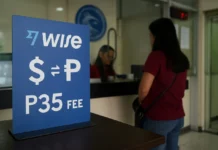
If you are considering switching how you send money home now that your salary will arrive digitally, digital remittance platforms like Wise have become a popular option for OFWs who want lower fees and faster transfers from Saudi Arabia to the Philippines.
Frequently Asked Questions
Q: Does this apply to all domestic workers in Saudi Arabia, including Filipinos?
A: Yes. As of January 1, 2026, the mandate applies to every domestic worker in the Kingdom regardless of nationality — including Filipino kasambahay working as housemaids, caregivers, cooks, and drivers.
Q: What if my employer says they didn’t know about this rule?
A: The MHRSD has communicated this through official channels since 2024. Ignorance is not a legal defense. If your employer is not compliant, they need to register on Musaned and set up an approved salary transfer method immediately.
Q: Can I still receive my salary in cash?
A: No — not without an official digital record. Employers must transfer salaries through approved digital channels. If you receive cash, insist on a written record, but know that cash-only payment without a Musaned record puts your employer out of compliance.
Q: What if I don’t have a Saudi bank account?
A: Your employer can arrange a Mada card for you through Musaned, which allows you to withdraw cash from ATMs and make transfers. This does not require you to open a bank account independently.
Q: Who do I contact if my salary is delayed?
A: Call the DMW hotline at 1348, contact your nearest POLO office in Saudi Arabia, or file a complaint through the MHRSD via the Musaned platform or the MHRSD website at hrsd.gov.sa.
The shift to e-salary is a genuine protection measure — and for Filipino domestic workers in Saudi Arabia, understanding it means knowing exactly what your employer owes you, in writing, every month.
💡 Move Your Salary Instantly with Wise
Once your salary lands in your Saudi bank account, use Wise to transfer to the Philippines at real exchange rates — no hidden markups, no surprise fees.
Affiliate disclosure: WorldNgayon may earn a small commission when you use our links, at no extra cost to you. Full details on our disclaimer page.