Table of Contents
📱 THE BOARD — Wednesday, September 30, 2026 → Events Intelligence: Philippine Lifestyle Sourcing Expo (Oct 8-10): SMX Manila becomes the country’s dedicated sourcing floor — three shows in one (Apparel & Textile + Sport + Asia International E-Commerce Expo), free entry for qualified trade buyers · the artifact: the supplier-matching playbook — which categories an online seller sources cheapest, how the pre-arranged B2B matching works, and the MOQ trap that eats first-time importers · kw: Philippine Lifestyle Sourcing Expo
Related: How to Verify an Online Seller in the Philippines: 10 Checks
Two practical notes complete the sourcing playbook the Philippine Lifestyle Sourcing Expo rewards. Freight terms get quoted at the booth: whether a supplier prices EXW (ex-factory), FOB, or door-delivered decides 15-30% of your true landed cost — ask the freight question BEFORE the unit-price negotiation, because suppliers fold freight into unit quotes at different bases, and two suppliers quoting identical unit prices can land pesos apart per unit after real freight; the expo’s e-commerce-services row includes freight forwarders who quote door-to-door on the spot, which anchors your negotiation. Compliance basics travel with every imported SKU: BIR registration for the selling entity, business-name registration, and FDA checks for anything skin-contact or ingestible (some cosmetics and supplement-adjacent items hide in the lifestyle categories) — the paperwork costs less than one shipment’s worth of unsellable stock, and the DTI’s MSME desks walk first-timers through the sequence free.
Key Takeaway
- 🗂️ Three shows, one free floor: the Philippine Lifestyle Sourcing Expo 2026 runs October 8-10 at SMX Convention Center Manila, combining the Philippine Apparel Textile Show, the Philippine Sport Show, and the Asia International E-Commerce Expo — 300+ exhibitors and brands, 5,000+ professional buyers from 15+ countries expected, admission free for qualified trade buyers.
- 🛒 It is built for exactly one reader: the online seller, reseller, or startup sourcing products — brand owners, importers, distributors, retail chains, e-commerce sellers and platform buyers, institutional buyers all qualify for the free tier.
- 🤝 The B2B matching is the real product: beyond the floor walk, a dedicated business-to-business networking activity pre-arranges buyer-supplier meetings (separate registration at the PHLSE matching form) — the meetings program is what turns a trade show into a supply deal.
- 📦 The sourcing categories price a seller’s catalog: apparel and footwear, consumer electronics and gadgets, fashion accessories, health and sports equipment, home and lifestyle, textiles — plus the e-commerce services row (platforms, logistics, payments, tax and finance) that vendors the backend of online selling.
- ⚠️ The trap to prepare for: minimum-order-quantity and supplier-verification rules decide whether sourcing trips pay — this piece’s playbook section prices both before the October 8 doors open.
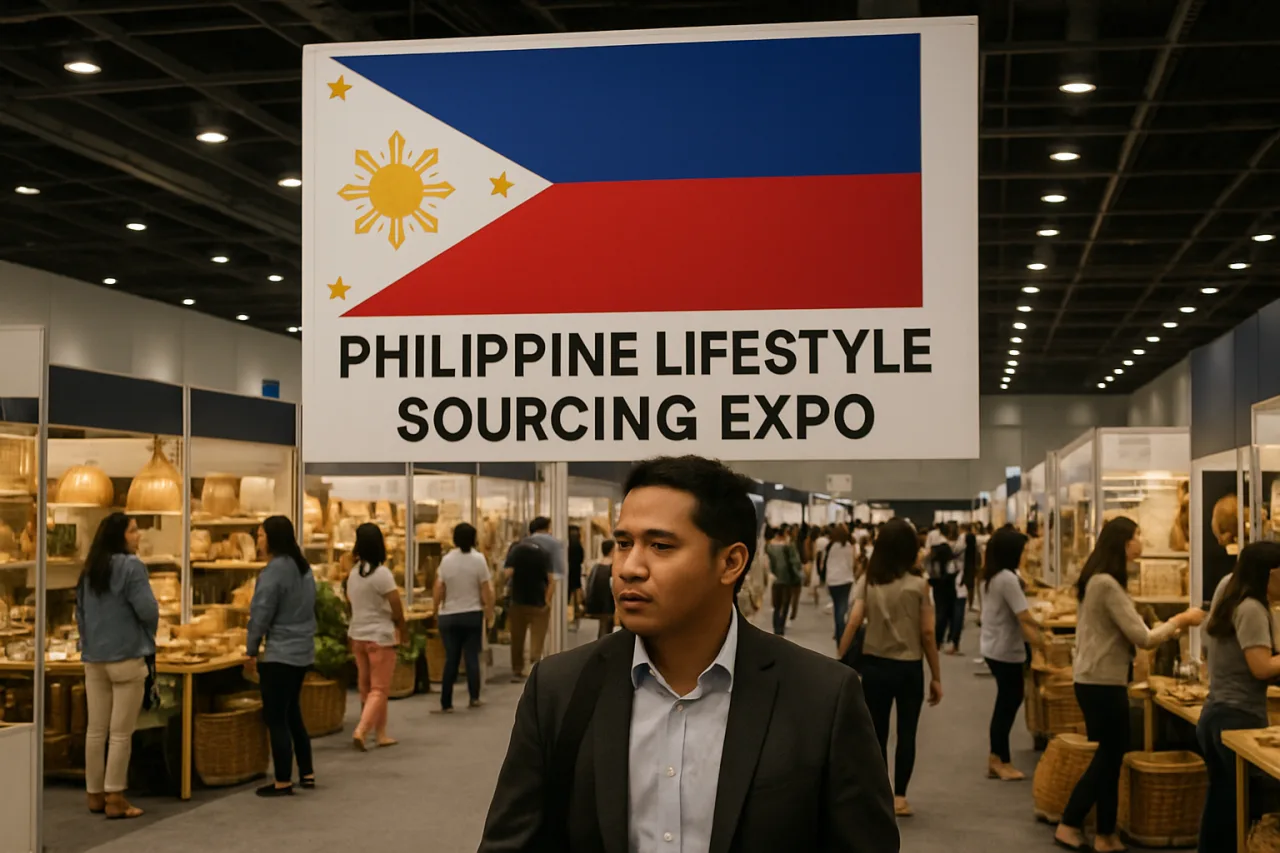
The Philippine Lifestyle Sourcing Expo opens October 8 at the SMX Convention Center Manila as the country’s dedicated product-sourcing floor — and for the online sellers this site writes about (the Shopee, Lazada, TikTok Shop, and marketplace operators building catalogs), it is the quarter’s most directly monetizable event: three days, free for qualified buyers, with manufacturers from the Philippines and across Asia in one hall. This is episode #003 of the Oct-Dec tech events board, and the first built for the money-in of e-commerce: not the marketing floor ECOMEX becomes in November, but the supplier side — where product cost, freight terms, and payment safety get decided hours before a buyer ever lists them. The intelligence product here is the sourcing playbook: what the three co-located shows actually offer, how the business-matching program works and why pre-arranged meetings beat floor-walking, which categories clear the highest margin for Filipino sellers, and the verification-plus-MOQ rules that separate a profitable first order from a container of unsold inventory.
Inside the Philippine Lifestyle Sourcing Expo — the Three-Show Anatomy
The Philippine Apparel and Textile Show carries the country’s traditional export strengths: garments, fabrics, bags, and fashion accessories — categories where Philippine manufacturers hold credibility with Western retail buyers and where Filipino sellers can source mid-volume without the freight math of cross-border container orders. The Philippine Sport Show is the 2026 edition’s expansion bet: basketball (the national market’s default), pickleball (this year’s fastest-growing racket category locally), fitness training equipment, sports fashion, and facility solutions — flooring, lighting, turf — aimed at clubs, schools, resorts, and LGU projects as much as retail; sports-equipment margins run thinner, but the facility-solutions row sells to institutional buyers whose order sizes dwarf retail carts. The Asia International E-Commerce Expo row is the one this site’s readers walk slowest: e-commerce platforms, logistics and warehousing providers, payment and operations solutions, insurance, tax, and finance services — the backend toolkit that decides whether a sourced product actually ships profitably (and the reason the expo belongs in the tech events register, not just a trade calendar). The cross-show economics: an online seller can leave the floor with a supplier contract AND a fulfillment partner AND a payment-rails contact in one trip — the three-department day that normally takes a quarter of vendor email exchanges. Buyer registration runs through the official expo portal (phlifestylesourcingexpo.vx-events.com / expophlse.com), free for qualified trade buyers; the Department of Trade and Industry’s trade-event support makes B2B expos like this a standing MSME channel; separate B2B networking program takes its own form and pre-arranges the meetings.
Bottom Line: Apparel = Philippine-manufactured advantage; sports = institutional-buyer volumes; the e-commerce row = the fulfillment and payments stack — three catalogs get priced in one free trip.
The Sourcing Playbook Inside the Philippine Lifestyle Sourcing Expo — Matching, Margins, and the MOQ Trap
Register for the matching program, not just the floor. The expo’s dedicated business-to-business networking activity pre-arranges Filipino buyers with international manufacturers — pre-booked meetings convert at a higher rate than floor improvisation because both sides arrive with product specs and price expectations; submit a sourcing list (categories, target costs, volumes) when registering, not a vague “looking around” profile. Price the margin before the trip. The workable test per category: landed cost (product + freight + duties + last-mile) against your channel’s prevailing retail price — electronics accessories carry high gross margins but brutal price competition from established importers; home and lifestyle lines clear steadier margins at mid-ticket prices; sports equipment needs either the facility-solutions angle or a niche sports community to move volume. A seller who can’t state three product lines and their target landed costs before walking the floor is browsing, not sourcing — the same pre-work rule this site applies to the GCash IPO subscription math: decide your numbers before the crowd sets them. The MOQ trap, priced: first-time importers routinely misjudge that a “₱85 landed” unit is only real at the minimum order quantity — a 500-unit MOQ is ₱42,500 of capital in one SKU that hasn’t proven demand (before variants); the playbook rule is negotiate trial-order quantities (100-200 units) against slightly higher unit costs for the first order, and move to scale pricing once sell-through data exists; suppliers at these expos genuinely take trial structures when a repeat relationship is credible — which is exactly what the matching program builds. Verification before wire transfer: the scam layer exists at sourcing shows too — confirm business registration documents, use phased payments (30-30-40 structures are common), prefer suppliers reachable through the expo’s official channels, and never wire against a WhatsApp-only relationship. The verification rule rhymes with this site’s remittance-protection coverage: the money discipline that protects OFW wires applies to seller wires with the same force.
Bottom Line: Pre-book meetings, price landed costs per category, negotiate trial MOQs, phase the payments — the four rules that make the free floor pay.
Who Walks This Floor — the Buyer Map
The expo’s qualified-buyer list prices the attendance decision per reader: e-commerce sellers and platform buyers (the target reader — sourcing catalog depth on Shopee/TikTok margins) attend all three days with a product list; brand owners and product developers (private-label ambitions, custom packaging requests) attend Days 1-2 when supplier negotiation calendars are freshest; importers and distributors walk with category-specific deal authority and treat the matching program as scheduled pipeline; institutional buyers (schools, LGUs, resorts for the sports-facility row) come for solution quotes, not unit products. The startup-and-emerging-brand tier is the free ticket with the highest diligence burden — no established credit, so supplier trust builds slower; the piece’s advice: pick ONE category, order one trial SKU, build the first supplier relationship completely, then expand at the 2027 edition — spread-thin sourcing produces unsold boxes in Bicutan warehouses. For the OFW-adjacent reader planning a Philippines-side selling venture, this event pairs naturally with the remittance-and-load economics already covered on this site: the family-side operator sources while the OFW side funds — but the capital rule (never fund inventory with this month’s remittance) stays sacred in both the receipt-reconciler drill and any sourcing budget.
Bottom Line: Match the buyer role to the attendance depth — sellers source catalogs, brands develop products, startups prove one SKU — and keep funding rails separate from inventory risk.
Philippine Lifestyle Sourcing Expo Registration — the Two-Form System and the 2027 Build
Registration is where most of the expo’s value is won or lost, and the 2026 edition runs a two-form system worth explaining plainly. Form 1 — the expo floor pass: register on the official portal (phlifestylesourcingexpo.vx-events.com or expophlse.com) with your business context; approval is fast for trade-buyer profiles, and the free badge covers all three shows for all three days. Form 2 — the B2B networking activity: a separate registration (the expo’s bit.ly form) that enrolls you in the pre-arranged meeting program — submit a real sourcing list (categories, target unit costs, volumes, and your channel’s retail-price context), because the matching engine pairs buyers with manufacturers on stated intent, not titles; meetings run on-site during the expo days with interpreters and category zones in some supplier rows. The sequencing rule: register Form 1 today, Form 2 immediately after, and treat the five days before the expo as the sourcing-prep sprint: three product lines stated, landed-cost sheet built, trial-MOQ scripts ready, payment terms pre-decided (30-30-40), and the day-1 afternoon reserved for supplier-row walks while your pre-booked meetings anchor mornings. The 2027 build: sellers who run this full system this October return to the 2027 edition with sell-through data — the position where suppliers offer real pricing instead of trial pricing; the expo repeats annually, which means ONE disciplined trip now compounds into every later sourcing year. For the micro-capital reader: if this year’s budget fits only one of the two November-and-October e-commerce events, October’s sourcing floor decides where product margin comes from — November’s ECOMEX can be followed in coverage, but supplier contracts are signed once, and the Philippine Lifestyle Sourcing Expo is the only room this quarter where those signatures happen.
Bottom Line: Two forms, one sprint, one compounding asset — register both today and bring a stated sourcing list, because suppliers price intent, not badges.
Frequently Asked Questions
When and where is the Philippine Lifestyle Sourcing Expo 2026?
October 8-10, 2026, at the SMX Convention Center Manila (Seashell Lane, Mall of Asia Complex, Pasay City), open 09:00-18:00 — three co-located shows: the Philippine Apparel Textile Show, the Philippine Sport Show, and the Asia International E-Commerce Expo.
How much does the Philippine Lifestyle Sourcing Expo cost?
Visitor registration is free for qualified trade buyers — brand owners, importers, distributors, retail chains, e-commerce sellers, platform buyers, institutional buyers, and startups actively sourcing. Register through the official expo portal (phlifestylesourcingexpo.vx-events.com or expophlse.com); the separate B2B networking activity takes its own registration form.
What products can e-commerce sellers source there?
Apparel and footwear, consumer electronics and gadgets, fashion accessories, health and sports equipment (including basketball and pickleball lines), home and lifestyle essentials, textiles — plus e-commerce services: platforms, logistics and warehousing, payments, insurance, tax, and finance solutions for the selling backend.
Do I need a business registration to get in free?
The free tier is for qualified trade buyers actively sourcing for a business — a company name and basic business context are standard registration fields; walk-in consumers are not the expo’s audience, and the matching program requires registered buying intent.
Is this the same as ECOMEX in November?
No — complementary: the Philippine Lifestyle Sourcing Expo is the SUPPLIER floor (where products come from), while ECOMEX (November 20-21, SMX Aura) is the selling-and-marketing floor (platforms, ads, enablers — our July ECOMEX preview covers that side). Sellers source in October, then catch the selling-tools floor in November — a two-event e-commerce quarter.
Financial Disclaimer: This article is for general information and education, not investment or financial advice. Event details, supplier terms, and registration rules change; verify with official event pages before committing capital. WorldNgayon.com is not a financial adviser and may hold affiliate relationships with tools or services mentioned.