Table of Contents
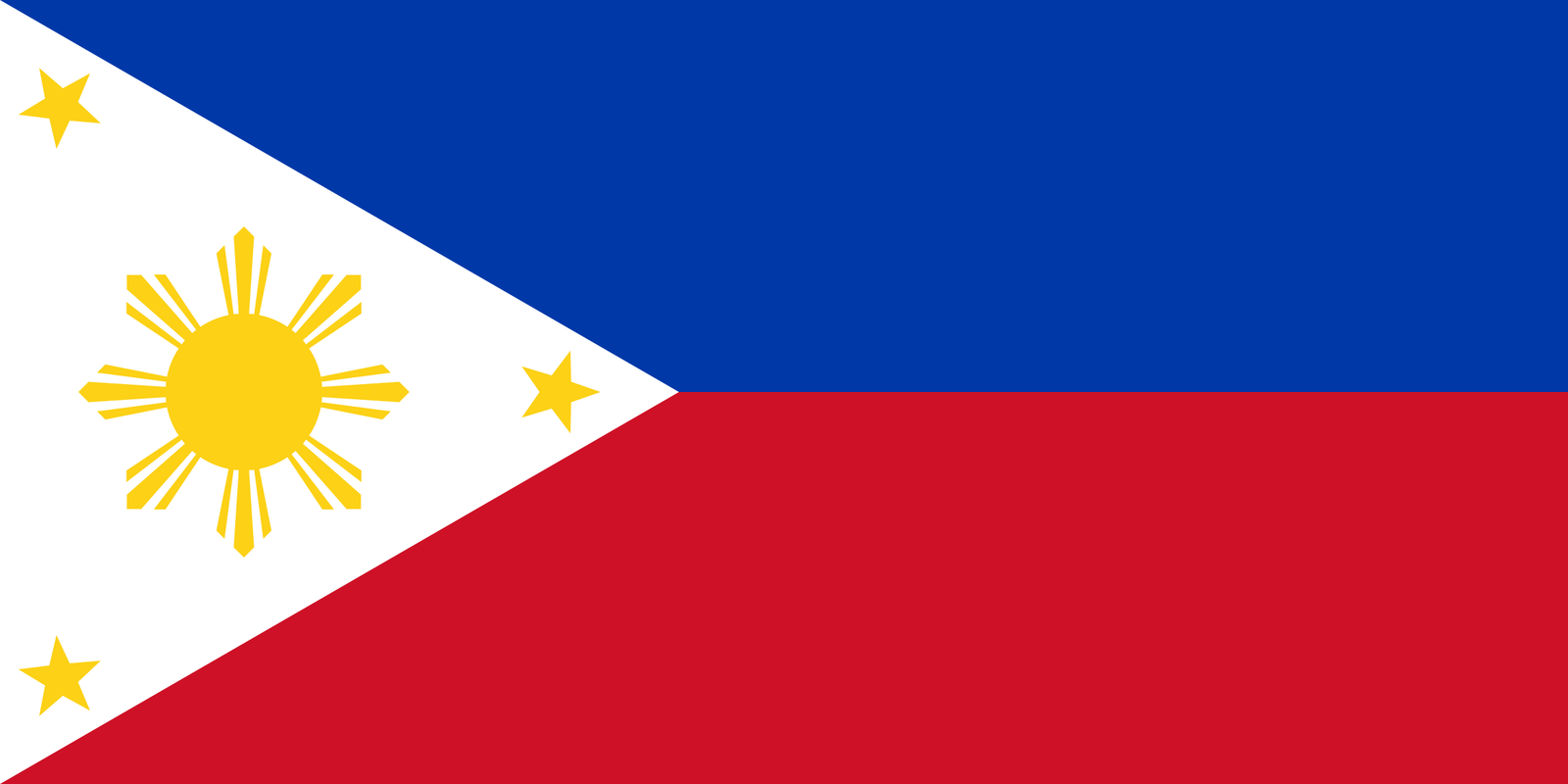
Every year on June 12, the Philippines celebrates its independence from colonial rule — but the freedom that overseas Filipino workers (OFWs) have helped secure is of a different, more personal kind. OFW contributions to nation building in 2026 extend far beyond cash remittances; they encompass skills transfer, global reputation, and a safety net that has kept the Philippine economy afloat through multiple crises.
This Philippine Independence Day 2026, it is worth examining how the 2.2 million OFWs deployed across nearly 200 countries have become the country’s most consistent economic stabilizer. Their collective effort represents a national story of resilience, sacrifice, and quiet heroism that deserves a central place in the independence narrative.
The billions behind the flag
In January 2026 alone, OFWs sent home USD 3.02 billion in remittances, marking a 3.5 percent increase from the same period the previous year, as of February 2026. This figure is not an anomaly — it is part of a consistent upward trend that has seen annual remittances cross the USD 35 billion mark, as of May 2026.
These dollars pay for tuition fees, medical bills, housing construction, and daily expenses for an estimated 15 million Filipino households that depend on remittance income, as of April 2026. The Bangko Sentral ng Pilipinas has repeatedly noted that without this steady inflow, the country’s gross national income would shrink by roughly 10 percent annually.
But the numbers, as staggering as they are, tell only part of the story.
Skills that return home
Beyond the money, OFWs bring back expertise that money cannot buy. Nurses return from Saudi Arabia and the United Kingdom with advanced clinical training. Construction workers come home from the Middle East with knowledge of modern building techniques. Domestic workers return from Hong Kong and Singapore with financial literacy and entrepreneurial drive.
The Commission on Higher Education has recognized this trend. Through the Expanded Tertiary Education Equivalency and Accreditation Program (ETEEAP), OFWs can now convert work experience into college degrees, a policy shift that acknowledges overseas employment as a legitimate form of professional development, as of March 2026.
“The OFW is not just a remittance machine,” said a labor attaché in a recent Overseas Workers Welfare Administration forum. “They are engineers, healthcare workers, hospitality professionals, and entrepreneurs who gain world-class experience abroad and bring it home.”
The infrastructure of sacrifice
The Philippine Independence Day celebration in 2026 also highlights a less discussed contribution: the social infrastructure OFWs have built. From community kitchens in typhoon-hit provinces funded by diaspora organizations to scholarship programs run by OFW associations, the overseas Filipino community has become an extension of the government’s social services.
The Department of Migrant Workers estimates that OFW-led diaspora organizations have funded over 1,200 community projects in the Philippines in the past five years, as of May 2026. These range from school buildings in remote barangays to water systems in areas that still lack basic infrastructure.
A seat at the global table
OFWs have also shaped how the world views the Philippines. In every host country, Filipino workers have built a reputation for professionalism, warmth, and reliability. This soft power has translated into tangible diplomatic gains — bilateral labor agreements with Japan, Germany, and Canada were made possible in part because existing OFW communities had already established trust with local employers and governments.
The cost of independence
Yet independence comes with a price. For every dollar remitted, there is a family separated by oceans. As of June 2026, an estimated 43 percent of OFWs are married but living apart from their spouses, according to the Philippine Statistics Authority.
“We celebrate independence, but many of our OFWs are not independent from sacrifice,” said a migration scholar during a recent University of the Philippines webinar. “Their freedom to provide for their families came at the cost of their own personal freedoms.”
This duality is what makes the OFW contribution to nation building so profound. They carry the burden of the nation’s economic survival while dreaming of a Philippines where leaving is no longer a necessity.
Frequently Asked Questions
How much do OFWs contribute to the Philippine economy as of 2026?
OFWs sent home approximately USD 35 billion in annual remittances, as of May 2026. In January 2026 alone, remittances reached USD 3.02 billion, a 3.5 percent increase year-on-year, as of February 2026. These inflows account for roughly 10 percent of the country’s gross national income.
How do OFWs contribute to nation building beyond remittances?
OFWs contribute skills transfer, global reputation building, and community development. Through programs like the ETEEAP, they can convert overseas work experience into college degrees. Diaspora organizations have funded over 1,200 community projects in the Philippines, including schools and water systems, as of May 2026.
What is the ETEEAP program for OFWs?
The Expanded Tertiary Education Equivalency and Accreditation Program (ETEEAP) allows OFWs to convert their overseas work experience into college degrees. This initiative by CHED and OWWA recognizes foreign employment as legitimate professional development, as of March 2026.
What are the social costs of OFW migration?
As of June 2026, about 43 percent of OFWs are married but living apart from their spouses, according to the Philippine Statistics Authority. Social costs include family separation, children growing up without a parent, and the emotional toll of living and working abroad away from loved ones.
Stay Connected with World Ngayon
Get the latest OFW news, guides, and features delivered straight to your inbox. Subscribe to our newsletter and never miss an update that matters to Filipino workers abroad.
Editorial Note: This article is part of World Ngayon’s Philippine Independence Day 2026 special series on OFW contributions to nation building. All statistics cited have been sourced from the Bangko Sentral ng Pilipinas, Philippine Statistics Authority, Department of Migrant Workers, Commission on Higher Education, and Overseas Workers Welfare Administration, as of June 2026. Some quotes have been paraphrased for clarity.