Key Takeaway
- 📊 OFW remittances hit a 7-month high of $3.24 billion in July 2026 (+1.9%); the January-July total stands at $20.39 billion (+2.3%) — the money flowing is stable and growing.
- 📉 Deployments tell the opposite story: 980,673 workers deployed January-July, down 34.04% from 1,486,756 a year earlier — the pipeline of new contracts is shrinking.
- ⚔️ The two numbers describe different populations: flows measure workers already abroad; deployment measures those leaving. Confusing them produces bad decisions in both directions.
- 💰 The weak peso amplifies the peso value of every dollar sent — the same $300 lands as more pesos this year than last.
- ⏱️ The practical play: existing workers keep the send cadence steady; jobseekers lengthen their timeline and diversify target markets; nobody panic-sends lump sums.
Two government numbers landed this month that appear to cancel each other out — and reading them correctly is worth real money to any household that lives on OFW remittances.
The Bangko Sentral ng Pilipinas reported July cash remittances at $3.24 billion, up 1.9% year on year and the highest monthly figure in seven months, bringing the January-July total to $20.39 billion, up 2.3% from $19.93 billion a year earlier.
The Department of Migrant Workers, meanwhile, counted 980,673 workers deployed in the same seven months — a 34.04% collapse from the 1,486,756 deployed over the same stretch of 2025, as the Middle East conflict froze hiring in eight suspended destination markets and pushed 10,580 workers and dependents onto repatriation flights.
Table of Contents
Why Both Numbers Are True
Remittance flows and deployment counts measure different lifecycles. Remittances reflect the stock of Filipinos already working abroad — the millions whose contracts, renewals, and salaries continue regardless of how many new deployments happen this year.
A worker who signed in 2023 and renews in 2026 contributes to the flows but not to the 2026 deployment count. Deployment, by contrast, is the pipeline — new hires leaving, contracts signed, first placements.
July’s money is earned by the installed base; the 34% drop measures the inflow of new earners slowing to a crawl.
Read together, the picture is an economy with a stable installed base and a thinning pipeline. That is neither good news nor bad news — it is a planning instruction.
If you are in the installed base, the data says your income environment is holding: demand for your dollars continues, families are receiving, and the seasonal high (July’s monsoon-battered households drew extra sends) confirms the lifeline runs.
If you are trying to enter the installed base — a new applicant, a returning worker after a family emergency, a seafarer between contracts — the environment you are entering is structurally tighter, with Middle East hiring frozen in eight markets and repatriations still running.
What the Money Flows Say
The BSP’s own full-year expectation sits at +2.7% growth to $36.6 billion for 2026 — slower than 2025’s 3.3%, but growth nonetheless — while market analysts hold a slightly lower line at +2.2% to $36.4 billion, citing Middle East risk.
The gap between those forecasts is the debate, and July’s seven-month high is evidence for the optimistic side: households battered by typhoon damage and inflation drew more, not less, from workers abroad.
Land-based and sea-based flows both contributed, and the monthly figure has now recovered from the mid-year softness that analysts flagged after May’s one-year low.
The composition detail matters for planning too: cash remittances — the money that moves through banks and formal channels — is the series BSP tracks, and its stability through a crisis half-year is the strongest evidence that the installed base of OFW earners remains intact.
The workers already abroad are the economy’s stabilizers; the family budget built on their salary is not currently at risk from the deployment slowdown.
What the Deployment Drop Means — and For Whom
The 34% deployment collapse is a job-seeker’s problem before it is a remittance problem, and pretending otherwise misleads exactly the readers who need clear signal most.
The DMW’s suspension of deployment to eight Middle East destinations, the repatriation of 10,580 people from conflict zones, and the hiring slowdown that analysts have tracked since mid-year all point the same way: the next contract is harder to land than the last one was, particularly in the Gulf.
A Filipino nurse planning a Saudi move in 2026 faces a different market than the one her colleague entered in 2024 — fewer new orders, longer waits, more competition per posting.
The correct responses divide by situation. For the jobseeker: extend the timeline, complete certifications while waiting, and weigh alternative markets — Japan’s carework and engineer tracks, Korea’s E-9 rounds, Europe’s seasonal programs — rather than betting the plan on a single Gulf reopening.
For the household with a worker already abroad: the deployment headline is not your headline — your exposure runs through contract renewal dates and employer stability, not through the deployment statistics.
The Peso Layer: Why the Same Dollar Is Worth More
Beneath the dollar figures sits the conversion math that decides what actually lands in the family’s hands.
The peso’s weakness through 2026 means each $300 remittance converts to more pesos than it did a year ago — the BSP data shows the flows rising modestly in dollars while the peso value of those flows rose faster.
For receiving households, that is a quiet cushion: the same sacrifice abroad buys more groceries at home. For senders, it creates the tactical question every OFW eventually faces — send on schedule, or wait for a better rate?
The data-supported answer is discipline over speculation. Remittance timing studies consistently find that families who send on a fixed cadence capture better average rates than families who wait for peaks, because the peso’s path is unknowable month to month and a missed tuition deadline costs more than any rate swing gains.
The exception worth using: when the peso tests fresh lows — as it has this quarter — a worker with flexibility can bring forward a send that was already scheduled, capturing the favorable rate without betting the budget on further movement.
Where the Money Comes From — and Why the Mix Matters Now
The BSP’s country breakdown explains why the flows held while the Gulf hiring froze.
The largest source markets for Philippine remittances — the United States first by a wide margin, followed by the traditional Gulf corridors, with Singapore, Japan, and the United Kingdom anchoring the middle of the table — skew toward established worker populations whose contracts run in years, not months.
The United States flow, in particular, tracks the Filipino-American diaspora’s household income more than any single hiring cycle; the Gulf suspensions dented the marginal markets far more than the anchor ones.
That composition is the structural reason July’s number could set a seven-month high while 10,580 workers flew home from conflict zones: the base is diversified, and the biggest pipes were never the frozen ones.
The same mix explains the forecast spread.
Analysts holding +2.2% weight the Gulf’s frozen pipelines and the seafarer disruptions — thousands stranded and tens of thousands grounded in Manila after the suspension orders — against the base’s resilience; the BSP’s +2.7% leans on the diversified source mix and the historical resilience of the flows through every crisis since the series began.
A household planning 2027 should note the honest range: growth continues, but the margin for shock has narrowed, and the family budget that assumes last decade’s double-digit remittance growth is planning against the wrong decade.
The Channel Layer: Digital Rails and the Fee You Can Control
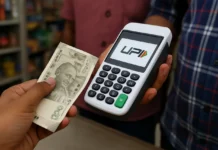
The money’s path matters as much as its size. A meaningful share of the $3.24 billion July figure now moves through digital rails — wallet-to-wallet transfers, bank apps, fintech remittance platforms — and the channel choice changes the received amount by percentages that rival the peso’s monthly swings.
A 5% effective fee on a $300 send is $15; the same send through a rate-transparent digital channel can cost a fraction of that. The households that win the remittance game control two variables, not one: the timing of the send and the cost of the pipe.
The timing discipline covered above pairs with an annual channel audit — compare the effective rate (fee plus spread) across your two or three regular channels each year; the savings compound at family scale.
Regulators have pushed the same direction: the BSP’s remittance-market modernization keeps lowering the formal rails’ cost, and the wallet-based receiving accounts — the same upgraded Maya and GCash accounts this site covers — land dollars in seconds at published rates.
The deployment slowdown does not touch any of this; it is the one lever fully inside the household’s control while the Gulf and the peso do their politics.
The Send-Timing Playbook
Three moves translate the divergence into household strategy. First, keep the cadence, not the calendar: the installed base is stable, so the family budget that depends on your dollars needs your regularity more than it needs your rate-timing heroics.
Second, split the difference on big transfers: tuition, property, and investment sends can ride the peso’s weakness — the ₱ value of your dollar is currently at the favorable end of its recent range.
Third, if you are a jobseeker, build the income floor before you need it: the deployment data says the next contract may take longer than the last one did, and the household that has a second earner, a small enterprise, or a certified skill in the pipeline meets the slowdown with options instead of anxiety.
The BSP expects the flows to keep growing — modestly — through year-end. The deployment picture may stay frozen until the region stabilizes. Both facts will keep being published; the household that reads them together, rather than letting one headline shout down the other, is the one whose money plan survives the year intact.
The 90-Day Review: Turning Data Into a Family Meeting Agenda
Numbers only equip the family that reviews them together. The practice that works: a 90-minute household meeting every quarter — remittance received, channel cost, peso rate captured, deployment outlook, and the one decision the next quarter needs.
September’s review agenda writes itself from this article: the flows are stable (keep the cadence), the peso is at the favorable end (consider bringing forward a scheduled send), the pipeline is frozen (jobseekers extend timelines and add a market), and the channel audit is due (compare effective rates).
The BSP will publish the August figures within weeks and the DMW will update deployment counts; the family that reviews quarterly meets each release with a plan already in motion rather than a reaction in progress.
Every peso of the fee layer counts — compare the channels side by side in OFW Remittance Fees Compared 2026.
Frequently Asked Questions
How much did OFW remittances reach in July 2026?
$3.24 billion in cash remittances, up 1.9% year on year — the highest monthly figure in seven months, per BSP data.
How much remitted in the first seven months of 2026?
$20.39 billion January-July, up 2.3% from $19.93 billion in the same period of 2025.
How far did deployments fall?
DMW data show 980,673 workers deployed January-July 2026, down 34.04% from 1,486,756 in the same months last year.
Why did remittances rise if fewer workers were deployed?
They measure different things: remittances come from workers already abroad whose contracts continue; deployment counts new hires. The installed base kept earning and sending; the pipeline of new workers thinned.
What does the weak peso mean for remittances?
Each dollar converts to more pesos, so the same remittance delivers more purchasing power at home — one reason peso-received values feel stronger even when dollar growth is modest.
Which countries drive Philippine remittances?
The United States leads by a wide margin, with Saudi Arabia, the UAE, and other Gulf states among the largest — but the Gulf freeze hit hiring, not the installed base of existing workers whose flows held.
Should I wait for a better peso rate before sending?
Discipline beats speculation for household budgeting — keep the cadence, and only bring forward a send you were already going to make when the peso sits at a favorable level.
Financial Disclaimer: This article is for general information only and is not professional financial advice. Exchange rates and remittance costs vary by provider; verify current rates with your bank or remittance channel before sending.