Key Takeaway
- 📈 The Fed rate hike landed September 16: +25 basis points to 3.75%–4.00% — the first increase since July 2023, approved 12–0 under new Chairman Kevin Warsh, with 16 of 18 officials penciling another hike this year.
- 💵 The OFW effect is immediate and positive: a stronger dollar means every remittance buys more pesos — the USD/PHP hit ₱62.91 on September 19, near the all-time high, and your salary in riyals or dirhams just converted higher.
- ⚠️ The catch: dollar strength is imported inflation for the Philippines — the peso’s weakness feeds the 6.1% August inflation your family pays at the market, so the “raise” shrinks at the palengke.
- 🏦 BSP must now choose: defend the peso by hiking (painful loans) or let it slide (painful prices) — the next BSP decision is the one to watch for your loan rates and remittance timing.
- 📉 Markets flinched: the PSEi fell 102.73 points (-1.72%) to 5,855.91 on Friday September 18 — and the GCash IPO pricing this October now happens in a costlier global money environment.
For three years, the most powerful interest-rate institution on earth stood still. On September 16, 2026, it moved — and the move reached every OFW salary account within days. The Fed rate hike of September 2026: +25 basis points to 3.75%–4.00%, the first since July 2023, delivered by new Chairman Kevin Warsh with a unanimous 12–0 vote and a blunt line — inflation has been “too high for too long.” Within 72 hours the dollar-peso rate touched ₱62.91, the strongest dollar against the peso in memory, and the PSEi dropped 1.72% in a day. For Filipinos earning abroad, this is the rare macro event that pays you directly: your dollars, riyals and dirhams convert to more pesos than they did a month ago. Here is what changed, why it happened, and the five effects to plan around.
Table of Contents
What the Fed Did on September 16
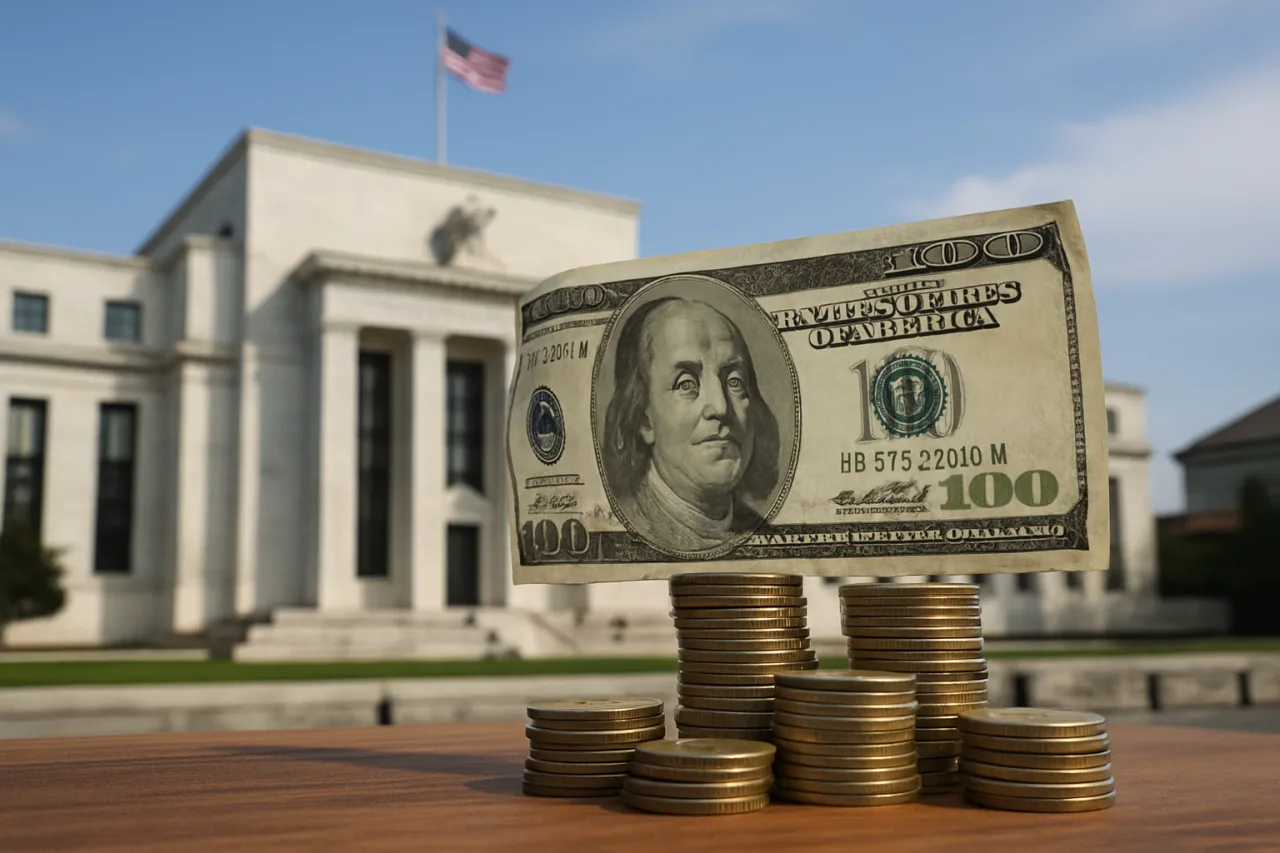
The Fed rate hike decision, per CNBC’s report of the September 16 meeting: the FOMC voted 12–0 to raise the federal funds rate by a quarter point, to a target range of 3.75%–4.00% — the first increase since July 2023. The statement was unusually direct: “Inflation remains elevated… Today’s policy action will support a timelier return to the Committee’s 2 percent goal. The Committee will deliver price stability.” Chairman Kevin Warsh — in the job since mid-year after the Powell transition — explained the triggers: the labor market stayed strong, inflation stayed above target (the Fed now sees headline PCE at 3.7% this year, core at 3.4%), and Middle East tensions kept oil — and imported energy inflation — spiraling. The forward guidance is the part that matters for planning: 16 of 18 officials expect another hike later this year, four expect two more, and cuts only arrive in 2028–2029. This is not a one-off; it is the start of a hiking cycle, and every later hike tends to push the dollar stronger still.
Effect 1: Your Remittance Just Rose in Peso Terms
The arithmetic every OFW family should internalize after the Fed rate hike: when US rates rise, the dollar strengthens against emerging-market currencies — including the peso. The rate hit ₱62.91 per dollar on September 19, 2026, per exchange-rate trackers, sitting near the all-time high (the ₱63+ records of past crises). Against the Gulf currencies pegged to the dollar — the Saudi riyal (3.75 fixed), the UAE dirham (3.67 fixed) — the effect flows straight through: a riyal earned in Riyadh converted to roughly ₱16.78 this week, versus ₱16.55-ish a month ago. On a ₱100,000 monthly remittance, that difference is real money over a year: roughly ₱2,700 extra per month at the current gap versus mid-2026 levels — more than a school supplies budget, earned by nothing but timing and the Fed’s decision. The Fed rate hike is, for the remittance earner, a raise that required no promotion.
Effect 2: the Peso’s Weakness Eats the Gain at Home
Now the uncomfortable half of the Fed rate hike. A weak peso is imported inflation: fuel is priced in dollars, the Philippines imports food and energy, and every peso of weakness passes through to the prices your family pays. August 2026 inflation printed at 6.1% (Rappler), far above the BSP’s comfort zone, and the peso’s slide this month adds to the pressure on September’s print. The ₱62.91 exchange rate that feels like a raise on payday is also the reason the grocery receipt climbs between paydays. The honest family math: the remittance gain (Effect 1) and the inflation tax (this effect) partly offset — which is why the smart response to a hiking Fed is not celebration but allocation: capture the favorable rate to build the buffer (emergency fund, school fund), because the buffer is what absorbs the imported inflation that follows. Families that convert and spend immediately experience the hike as noise; families that convert and save experience it as a gift.
Effect 3: BSP Now Has a Choose-Your-Pain Decision
The Bangko Sentral ng Pilipinas inherited the Fed rate hike as a forced choice. Defend the peso: hike the policy rate to keep peso deposits attractive — painful, because Philippine borrowing costs (housing loans, SME credit, credit cards) rise with it, and August’s 6.1% inflation already argues for tightness. Let the peso slide: hold rates and accept faster imported inflation — painful, because the 6.1% becomes 7% and the wage earner’s real salary shrinks. The Fed’s own projections (hikes continuing through 2026–27, cuts only 2028–29) mean BSP faces this dilemma at every meeting for the next year. Watch two signals: the BSP’s next policy decision and its inflation forecast revision. For OFW planning, the practical reads are simple — peso-denominated debts get costlier in the defend scenario, and peso savings get eroded in the slide scenario; dollar-pegged earners are hedged in both, which is the structural advantage of your position that no peso-salaried relative shares.
Effect 4: the Market Price Check — PSEi and the GCash IPO
The Fed rate hike reprices everything. The PSEi fell 102.73 points (-1.72%) to 5,855.91 on Friday September 18, per Inquirer Business — the classic reaction: higher US rates pull global capital toward dollar yield and away from emerging-market equities. The immediate calendar casualty to watch: the GCash IPO — Mynt’s ₱92.32 billion offering prices October 1 in exactly this costlier environment, and rate-hike weeks historically pressure IPO pricing toward the lower end of ranges (the analyst cluster of ₱6–8.50 versus the ₱10 ceiling now has macro wind behind it). For OFW investors with PSE exposure: hiking cycles punish debt-heavy stocks first (property, utilities) and reward the hedged (dollar earners, exporters); this is a rebalancing quarter, not a buying frenzy. And the peso’s near-record level is itself a stock signal: firms earning dollars translate richer at ₱62.91 — the market rotates toward them in hiking cycles.
Effect 5: Timing Your Remittances — the Practical Playbook
The playbook that converts the Fed rate hike into household advantage. One: with 16 of 18 Fed officials expecting another hike this year, the dollar’s strength has a stated direction — remitting sooner captures today’s ₱62.91; remitting later risks a better rate only if the hike cycle disappoints. The conservative rule: convert this month’s salary at current levels, keep next month’s decision for next month. Two: use the rate to fill the buffers that inflation attacks — emergency fund (3–6 months), school fund, medical fund — in pesos, now. Three: avoid peso-denominated variable-rate debt through the hiking window (BSP defend-scenario risk); fixed-rate or dollar-pegged debts are safer. Four: if you send via formal channels with rate transparency (Wise-style mid-market providers), the spread you save compounds at these levels — every basis point of spread is worth more on a ₱62.91 dollar than on a ₱58 one. Five: ignore the noise about “record” rates — ₱62.91 is near-record, and betting on it going much higher is speculation; budgeting at current rates is planning.
Frequently Asked Questions
What did the Fed decide in September 2026?
On September 16, 2026, the FOMC voted 12–0 to raise the federal funds rate by 25 basis points to 3.75%–4.00% — the first hike since July 2023 — citing elevated inflation (headline PCE projected at 3.7%), a strong labor market, and Middle East oil pressure. Chairman Kevin Warsh said inflation has been “too high for too long.” 16 of 18 officials project another hike this year; cuts are penciled for 2028–2029 only.
Why does the Fed rate hike strengthen the dollar?
The Fed rate hike makes dollar assets (deposits, bonds) pay more, drawing global capital into dollars and pushing the currency up against others — including the peso. The effect is mechanical and appeared within days: USD/PHP touched ₱62.91 on September 19, near the all-time high, while the PSEi fell 1.72% as capital rotated toward dollar yield.
Is the strong peso rate good for OFWs?
For earning and sending: yes — every dollar-pegged salary converts to more pesos (a riyal’s fixed 3.75 rate now yields ~₱16.78), and September’s ₱62.91 level is near the historical best for conversion. For family spending: no — the same weakness imports inflation (August was 6.1%), raising prices at home. The net position favors OFW households that use the rate to build buffers rather than spend it.
What will BSP do after the Fed hike?
BSP must choose between defending the peso (hiking its own rate, raising local loan costs against a 6.1% inflation backdrop) or letting the peso slide (accepting faster imported inflation). Its next policy meeting and forecast revision are the signals to watch. OFW planning rule: peso debts get risky in the defend scenario, peso savings erode in the slide scenario — dollar earners are hedged in both.
Should I remit more now or wait?
The conservative playbook: convert at current levels when the money is earmarked for peso needs (bills, savings, investments), since 16 of 18 Fed officials expect further hikes that tend to keep dollar strength intact. Waiting only wins if the hike cycle stalls — a bet, not a plan. Families building emergency or school funds benefit most from converting now and letting the buffer absorb later inflation.
How does the Fed hike affect the GCash IPO?
Indirectly but concretely: hiking weeks pull capital from emerging markets (PSEi -1.72% the Friday after), and IPO pricing in this environment historically trends to the lower end of ranges. Mynt’s ₱92.32 billion offering prices October 1 — the analyst cluster at ₱6–8.50 (versus the ₱10 ceiling) now has macro support. Watch the October 2 final-price notice as the real signal.
Final Word: the Rate That Raised Your Salary
The Fed rate hike of September 2026 is the first macro event in years that pays the OFW directly: your foreign salary just gained peso value without one extra shift — because 12 officials in Washington voted to fight their inflation with your dollar. The mountain’s counsel is the household version of Warsh’s discipline: capture the strong rate, fill the buffers the imported inflation will test, and treat every future Fed meeting as a calendar entry — because 16 of 18 officials have told you they are not done. The raise is real. The inflation it feeds is real too. The families that win this cycle are the ones that banked the first before the second arrived.
Financial Disclaimer: This article is for general information and education only — not financial advice or a recommendation. Exchange rates, policy decisions and projections cited reflect public sources as of September 21, 2026 and change without notice. Consult a licensed financial advisor before making money decisions. worldngayon.com and its authors are not liable for outcomes from actions taken on this content.