


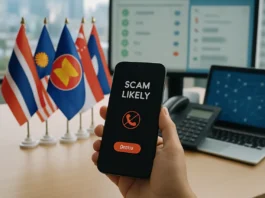



China AI Propaganda Philippines 2026: DFA Response and the Deepfake Diplomatic Crisis
On July 10, 2026, China Daily — a state-run Chinese publication — posted an AI-generated video on its Facebook page depicting Filipinos as monkeys...

Cybersecurity Philippines 2026: Complete Pillar Guide — Threats, Government Response, and OFW Protection
Table of ContentsKey Takeaway
The Cybersecurity Landscape in the Philippines 2026
The Cost of Cybercrime in the Philippines
Top 5 Cybersecurity Threats in the Philippines 20261. Deepfake...

Digital Banks Philippines 2026 Guide: Proven and Complete OFW Comparison
Digital banks in the Philippines offer higher interest rates, zero maintenance fees, and full mobile banking — making them the best option for OFWs...

OWWA Cash Assistance 2026: the Proven AKAP Requirements, Amounts & Claim Route — the...
Key TakeawayWhat Is OWWA and Why Does It Matter for OFWs?Complete List of OWWA Benefits for OFWs in 20261. Emergency Cash Assistance for Distressed...
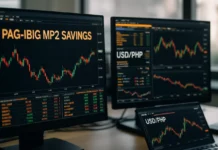
Pag-IBIG MP2 Savings 2026: Dividend Rates, OFW Enrollment and Calculator
Understand MP2 dividend years, enrollment from abroad, withdrawal rules and a transparent five-year savings example with clearly stated assumptions.

ETEEAP Program 2026 Guide: Proven Steps to Your Diploma Without Stopping Work
Table of ContentsKey Takeaway
What Is the ETEEAP Program and Why Was It Created?
ETEEAP Eligibility Requirements: Who Can Apply?
The Complete List of 101 CHED-Accredited ETEEAP...
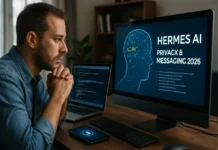
Hermes AI Research, Privacy, and Messaging 2026: 31 Real Use Cases for Researchers and...
Hermes AI research and privacy use cases represent 31 documented deployments across the Research (9 stories), Privacy and Self-Hosted (8 stories), Messaging (8 stories),...

Hermes AI Creative Applications and Cost Optimization 2026: 32 Real Use Cases
Hermes AI creative applications and cost optimization represent 32 documented use cases across the Creative (19 stories) and Cost Optimization (13 stories) categories, covering...
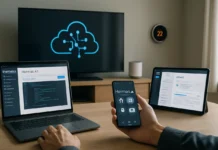
Hermes AI Integrations 2026: 26 Real Cloud, Smart Home, Email, and Browser Automation Use...
Hermes AI integrations represent 26 documented use cases where users connect the agent to external systems including Nextcloud, Home Assistant, Gmail, S3, PostgreSQL, Hindsight...

Hermes AI Personal Assistant 2026: 44 Real Daily Briefing, Inbox, and Memory Wiki Use...
Hermes AI personal assistant use cases represent 44 documented deployments — the second largest category in the Hermes AI ecosystem — covering daily briefings,...