Table of Contents
Key Takeaway
- AI companies are becoming geopolitical players: Anthropic’s exclusion of SK Telecom from certain API access — at the request of the U.S. government — shows that AI access is now a foreign policy tool.
- Phone carriers are gatekeepers: When a telecom giant like SK Telecom loses access to frontier AI models, millions of downstream users (including OFW families) lose access to AI-powered services overnight.
- OFWs depend on telecom infrastructure: From Saudi Arabia to Singapore, Filipino workers rely on local telecom partnerships for remittance apps, translation tools, and emergency services — all increasingly AI-dependent.
- Digital sovereignty matters: The incident highlights why the Philippines needs domestic AI capacity rather than depending entirely on US-controlled AI infrastructure for critical worker services.
🌐 International Controversy: The White House ordered Anthropic to revoke SK Telecom’s access to Claude Mythos over alleged ties to China, days before Anthropic took its most advanced models offline.
🔑 Why It Matters: The controversy highlights the growing intersection of AI geopolitics, national security, and technology access — issues that affect OFWs in tech and communications.
💡 OFW Implications: As AI geopolitics intensifies, OFWs working in tech, communications, and data may face new restrictions and requirements.
SK Telecom at the Center of Anthropic’s Mythos Controversy
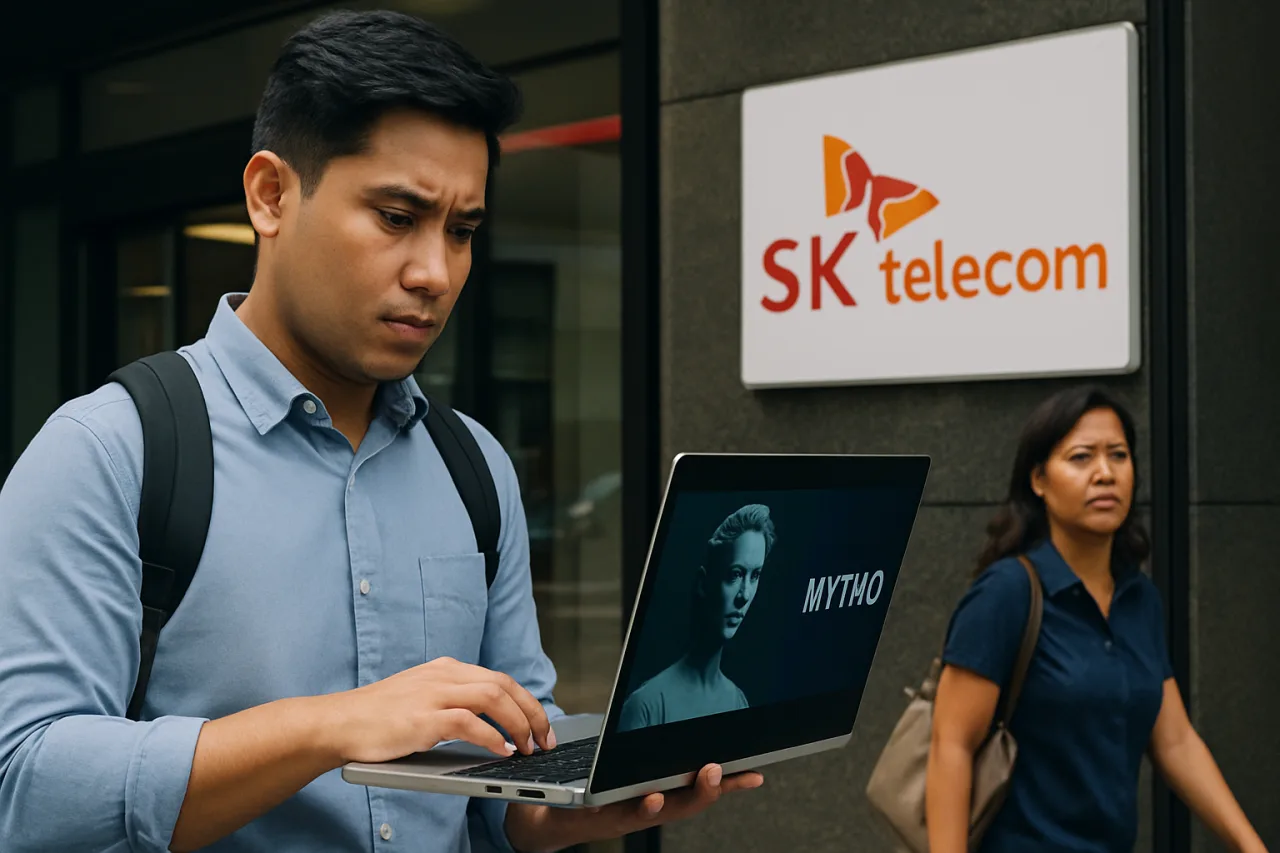
Days before Anthropic took its most advanced AI models offline, the White House ordered the company to revoke SK Telecom’s access to Claude Mythos over claims of alleged ties to China, according to a Wired report published June 17, 2026. The controversy places AI geopolitics at the center of the global technology landscape.
For Overseas Filipino Workers, this story is more than a tech industry drama. It illustrates how AI geopolitics is reshaping the technology landscape in ways that directly affect OFWs — from the tools they use at work to the data they handle to the countries where they can work.
“Days before Anthropic took its most advanced AI models offline, the White House ordered the company to revoke SK Telecom’s access to Claude Mythos over claims of alleged ties to China,” the Wired report states. The controversy highlights the growing tension between AI development and national security concerns.
What Happened: The Anthropic-SK Telecom Controversy
Anthropic, one of the world’s leading AI companies, found itself at the center of an international controversy when the US government ordered it to revoke SK Telecom’s access to its most advanced model, Claude Mythos. The order came just days before Anthropic took the model offline entirely.
SK Telecom, South Korea’s largest telecommunications company, had been granted access to Claude Mythos as part of a partnership. The White House order alleged that SK Telecom had ties to China that posed a national security risk, though the specific nature of these ties has not been fully disclosed.
The controversy raises important questions about AI geopolitics: Who gets access to the most powerful AI models? What role should governments play in regulating AI access? And how do these decisions affect the global technology ecosystem?
Why AI Geopolitics Matters to OFWs
The intersection of AI geopolitics and technology access has direct implications for Overseas Filipino Workers. Many OFWs work in tech, communications, and data processing roles that are affected by these geopolitical decisions.
When governments restrict AI access based on national security concerns, it can affect the tools available to companies that employ OFWs. A Filipino software developer working for a Korean tech company, for example, may find that the AI tools they use at work are suddenly restricted due to AI geopolitics.
The Bangko Sentral ng Pilipinas (BSP) has noted that geopolitical tensions can affect the Philippine economy, including the technology sector. OFWs who understand AI geopolitics are better positioned to navigate these changes.
The Department of Information and Communications Technology (DICT) has been working to ensure that the Philippines is not left behind in the global AI race. For more, see our coverage of DICT’s push for stricter digital regulation.
The Bigger Picture: AI Geopolitics in 2026
The Anthropic-SK Telecom controversy is part of a broader pattern of AI geopolitics that is reshaping the global technology landscape. Governments around the world are increasingly viewing AI as a national security issue, leading to restrictions on AI exports, partnerships, and access.
For the Philippines — a country that sends millions of workers abroad and is actively trying to position itself as a technology hub — AI geopolitics creates both challenges and opportunities. The challenge: navigating an increasingly fragmented technology landscape. The opportunity: positioning the Philippines as a neutral hub for AI development and deployment.
OFWs who understand AI geopolitics will be better equipped to make informed decisions about their careers, investments, and the technologies they use. Read our guide on why tech literacy matters for OFW investors.
How OFWs Can Navigate AI Geopolitics
1. Stay informed about AI policy. Follow developments in AI geopolitics and understand how they affect your industry and the countries where you work.
2. Develop transferable skills. As AI tools become subject to geopolitical restrictions, OFWs with transferable skills will be more adaptable.
3. Understand data sovereignty. Many countries are implementing data sovereignty laws that affect how data is stored and processed. OFWs in data-related roles need to understand these requirements.
4. Build a global network. AI geopolitics is creating new alliances and partnerships. OFWs with global networks will have more opportunities.
Frequently Asked Questions
What is AI geopolitics?
AI geopolitics refers to the intersection of artificial intelligence and international relations. It includes government policies on AI exports, partnerships, access restrictions, and national security concerns related to AI technology.
Why was SK Telecom’s access to Claude Mythos revoked?
The White House ordered Anthropic to revoke SK Telecom’s access over alleged ties to China that posed a national security risk. The specific details have not been fully disclosed.
How does AI geopolitics affect OFWs?
AI geopolitics can affect the tools available to OFWs at work, the countries where they can work, and the data they can access. OFWs in tech and communications roles are particularly affected.
What is the Philippines doing about AI geopolitics?
The Philippine government, through the DICT, is working to position the Philippines as a technology hub and ensure that Filipino workers are prepared for the global AI landscape.
Disclaimer: This article is for informational purposes only. worldngayon.com is not affiliated with Wired, Anthropic, SK Telecom, or any organization mentioned.