Table of Contents
TLDR: Paleng-QR Ph Plus is a Bangko Sentral ng Pilipinas program that allows market vendors, sari-sari store owners, tricycle drivers, and small merchants to accept digital payments through QR codes — no card terminal, no bank merchant account, just a printed QR code and a smartphone. As of early 2026, 922 local government units have adopted it nationwide, more than double the 408 LGUs in 2024. For ordinary Filipinos, it means buying fish at the palengke, paying for a tricycle ride, or purchasing from a sari-sari store without cash. For OFW families, it means the money sent from abroad lands directly in a digital wallet that can be spent anywhere Paleng-QR is accepted — and it opens the door for family-run businesses to accept cashless payments. Paleng-QR Ph Plus is part of a wider BSP financial inclusion policy that aims to bring every Filipino into the formal financial system by 2028.
What Is Paleng-QR Ph Plus?
Paleng-QR Ph Plus is a joint program of the Bangko Sentral ng Pilipinas (BSP) and the Department of the Interior and Local Government (DILG) that brings QR code digital payments to public markets, sari-sari stores, tricycle terminals, and small retail shops across the Philippines.
The program launched in June 2022 as Paleng-QR Ph, initially covering public market vendors. In November 2022, the BSP expanded it to Paleng-QR Ph Plus, adding shopkeepers, tricycle operators and drivers (TODA members), and other micro-merchants. The name itself says it all — “Paleng” from palengke (public market) and “QR” for the QR code technology that makes payments instant.
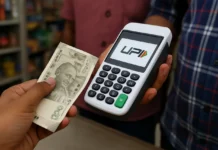
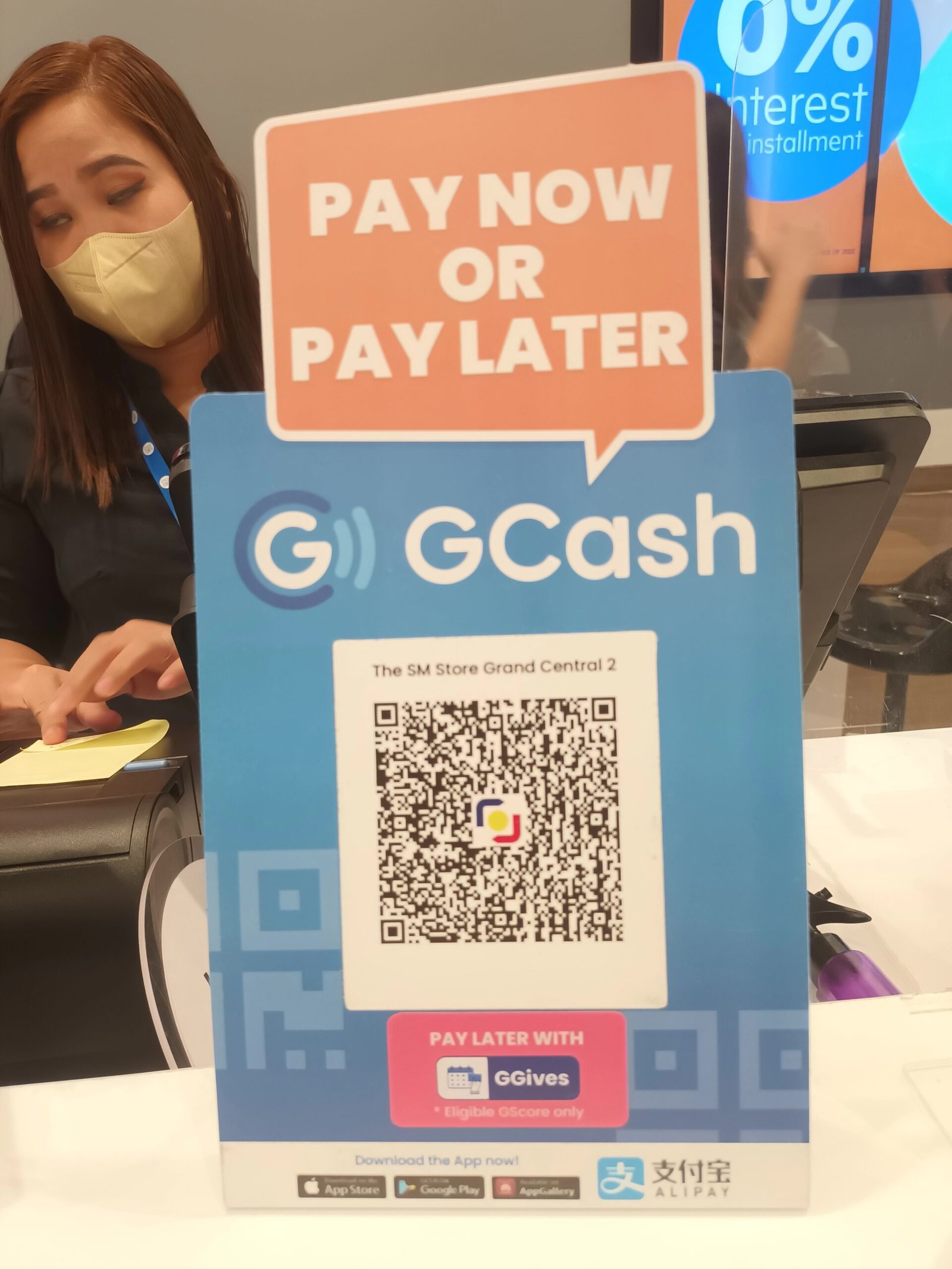
Here’s how it works: A vendor or store owner signs up for a digital payment account through any BSP-accredited e-money provider — GCash, Maya, or their bank’s mobile app. The provider generates a unique QR code linked to that vendor’s account. The vendor prints the QR code and displays it at their stall or on their tricycle. A customer scans the code with their own e-wallet app, enters the amount, and the payment transfers instantly. No cash changes hands. No change needed. No card terminal required.
As of end-2025, BSP Deputy Governor Bernadette Romulo-Puyat confirmed that 922 local government units had adopted the program — more than double the 408 LGUs in 2024. The BSP aims to grow this to 1,700 LGUs by end of 2026, covering markets, mall stores, and transport hubs nationwide, as reported by BusinessWorld.
What Paleng-QR Ph Plus Does for Ordinary Filipinos
For the average Filipino, Paleng-QR Ph Plus delivers benefits that touch daily life:
Buy at the palengke without cash. A customer can buy fish, vegetables, or meat at the public market and pay by scanning a QR code using GCash, Maya, or any participating e-wallet. No need to withdraw cash from an ATM, no worry about carrying exact change, no risk of losing money to pickpockets in crowded markets.
Tricycle drivers can accept digital fares. TODA (Tricycle Operators and Drivers Association) members registered under the program can display QR codes on their vehicles. Passengers scan and pay — no fumbling for coins, no “no change” problems during peak hours.
Sari-sari store owners become digital merchants. For the millions of neighborhood sari-sari stores across the Philippines, Paleng-QR Ph Plus means they can accept digital payments from customers who no longer carry cash. This is a critical upgrade because as the GCash-Pine Labs partnership showed, digital payment terminals are reaching MSMEs — and a printed QR code requires even less infrastructure than a terminal.
No bank account needed. Vendors and customers alike can participate using e-money accounts from GCash, Maya, or digital banks. These accounts require no maintaining balance, can be opened from a smartphone with just a government ID, and don’t need a physical bank branch. The BSP’s own survey data shows that 43% of Filipino adults now have e-money accounts — compared to just 21% who have traditional bank accounts.
On-site account opening. The Paleng-QR Ph Plus program includes on-site account opening activities at public markets. BSP representatives and partner e-wallet providers set up booths at markets to help vendors and customers open their first digital accounts right there — no travel to a bank branch, no paperwork, no waiting.
Internet connectivity for unconnected markets. The Department of Information and Communications Technology (DICT) has committed to supplying Starlink satellite internet to public markets that lack internet connectivity, ensuring even remote barangay markets can participate in the digital payment system.
How Paleng-QR Ph Plus Helps OFW Families
For the 2.3 million overseas Filipino workers and the families they support, Paleng-QR Ph Plus has specific, powerful benefits:
Remittances arrive ready to spend. When an OFW sends money home through Wise, Western Union, or a bank transfer, the recipient can receive it in their GCash or Maya wallet. With Paleng-QR Ph Plus, that money can be spent directly at the palengke, the sari-sari store, or the tricycle — without ever converting it to cash. The remittance goes from “sent from Riyadh” to “spent at the market” in minutes, not days.
Family-run sari-sari stores can accept digital payments. Many OFW families run sari-sari stores as a supplementary income source. Paleng-QR Ph Plus means these family stores can accept digital payments from customers — potentially increasing sales as more customers shift to cashless transactions. A family member back home can run the store while the OFW abroad sends inventory money directly to the store’s e-wallet.
Digital account opening for OFW spouses and parents. The on-site account opening component of Paleng-QR Ph Plus is especially valuable for OFW families. An OFW’s spouse or elderly parent can open their first e-money account at the local public market, using just a government ID — no need to travel to a bank branch, fill out complex forms, or maintain a minimum balance. This removes one of the biggest barriers the BSP’s SWS survey identified: “limited knowledge on how to open an account.”
Lower-cost financial management for the whole family. With an e-money account and access to Paleng-QR payments, OFW families can track spending digitally, set savings aside, and even send money between family members using built-in transfer features. The BSP’s push for interoperable payment systems means remittance channels now connect directly to e-wallets, making the entire money flow more efficient.
Protection against cash-related risks. OFW families are frequent targets of theft, robbery, and scams — especially on payday when they withdraw large amounts from remittance centers. With Paleng-QR, the money stays digital. The spouse doesn’t need to carry large cash amounts home from the remittance center. The family can pay for daily needs by scanning QR codes, minimizing cash exposure.
Paleng-QR Ph Plus Is Part of a Bigger Picture: The BSP Financial Inclusion Policy
Paleng-QR Ph Plus is not an isolated initiative. It’s a key operational arm of the BSP’s National Strategy for Financial Inclusion (NSFI), the central bank’s comprehensive blueprint for bringing every Filipino into the formal financial system.
BSP Governor Eli M. Remolona Jr. stated the BSP’s position directly on May 22, 2026: “The BSP will continue to broaden access to financial services. This will enable more Filipinos to save, manage their expenses, and improve their overall financial health.”
The BSP financial inclusion policy rests on four pillars, and Paleng-QR Ph Plus touches all of them:
1. Digital payments infrastructure. Beyond QR codes at markets, the BSP is building the backbone of the digital economy. The Digital Payments Transformation Roadmap set a target of digitizing 50% of retail transactions — a milestone the Philippines hit in 2024 and has since exceeded, with nearly 60% of retail payments now digital as of mid-2025. The PESONet and InstaPay systems enable real-time fund transfers between banks and e-wallets, and the BSP is implementing a 24/7 payment system by 2026, according to BusinessWorld.
2. Expanded account access. The BSP has licensed six digital banks — GoTyme, Maya Bank, UnionDigital, Overseas Filipino Bank, Tonik, and UNOBank — breaking a three-year moratorium on new digital bank licenses. These banks operate without physical branches, keeping overhead low and offering higher savings rates. The Open Finance Framework allows consumers to share their financial data across institutions, making it easier to apply for loans, switch banks, and build credit.
3. Financial literacy. The BSP’s 2025 financial literacy survey showed improving awareness, but the SWS survey funded by the BSP and released in May 2026 found that a top barrier to account ownership remains “limited knowledge on how to open an account.” The Paleng-QR Ph Plus program addresses this directly through on-site account opening and financial education at public markets. The BSP has also partnered with GCash on its AI-powered Pera Coach financial literacy tool.
4. Consumer protection. As Filipinos move into the digital financial system, they become exposed to phishing, text scams, and social engineering. The BSP has consistently warned against unauthorized crypto platforms and requires banks to implement transaction alerts and two-factor authentication. This is critical — the GSMA ASEAN Consumer Scam Study found that 52% of Filipinos have encountered online scams, making BSP’s Financial Consumer Protection Framework a necessary complement to the inclusion push.
The results of the policy are measurable. The latest SWS survey commissioned by the BSP, released in May 2026, found that 58% of Filipino adults now own a formal financial account — up from 51% in 2025. E-money accounts (43%) now serve more than double the Filipinos that traditional bank accounts do (21%), according to Newsbytes.PH. The increase was seen across all geographic areas, income brackets, and education levels.
The BSP also found that around one in three adults without their own account reported that another member of their household owns one — meaning Paleng-QR Ph Plus’s reach effectively extends beyond even the headline numbers.
What’s Next for Paleng-QR Ph Plus and the BSP’s Digital Push
The BSP has a packed 2026 agenda. The expansion of Paleng-QR Ph Plus to 1,700 LGUs is the headline target, backed by DICT’s Starlink connectivity for markets without internet. The 24/7 payment system will make PESONet and InstaPay available around the clock. Four new digital bank slots are being filled following the 2024 moratorium lift.
But challenges remain. The BSP acknowledged in February 2026 that the Philippines may miss its 2028 digital payments target if adoption in rural areas doesn’t accelerate. The InsiderPH report on credit system gaps warned that many Filipinos remain financially invisible — they have accounts but no credit history. And the Philstar article on financial inclusion stalling at 50% in 2025 before rebounding in 2026 shows how fragile the progress is.
For OFWs and their families, the trajectory is clear: Paleng-QR Ph Plus is the front door to a financial system that is becoming more accessible, more digital, and more connected to the global remittance infrastructure — month by month, market by market, QR code by QR code.
Frequently Asked Questions About Paleng-QR Ph Plus
Send Money Home with Wise
For OFWs sending remittances to support family digital payments and online businesses, Wise offers mid-market rates with no hidden markups. Check your rate on Wise
Affiliate disclosure: WorldNgayon may earn a small commission when you use our link, at no extra cost to you.