
Table of Contents
TLDR:
- Supply chain attacks compromised Trivy security scanner and spread across 47 npm packages via CanisterWorm malware
- GitHub Actions hijacking exposed CI/CD secrets, affecting thousands of development pipelines
- Four critical steps can protect organizations: dependency scanning, trusted repositories, CI/CD hardening, and incident response
Supply chain security has become the cybersecurity battlefield of 2026, with recent attacks demonstrating how quickly malicious code can spread through trusted development tools. The compromise of Trivy security scanner and subsequent infection of 47 npm packages through the self-spreading CanisterWorm malware marks a dangerous escalation in supply chain warfare targeting the very tools developers use to secure their applications.
The Anatomy of Modern Supply Chain Security Breaches
The Trivy security scanner attack represents a sophisticated multi-stage operation targeting GitHub Actions infrastructure. Attackers hijacked 75 tags within the scanner’s repository, effectively poisoning the CI/CD pipelines of organizations worldwide. This breach exposed secrets, API keys, and deployment credentials across thousands of development environments.
The CanisterWorm malware demonstrated unprecedented lateral movement capabilities within package ecosystems. Once embedded in a single npm package, it automatically propagated to dependencies and related packages, creating a web of compromised code that traditional security scanning failed to detect. The malware specifically targeted authentication tokens and repository access credentials, enabling persistent access to victim environments.
What makes these supply chain security incidents particularly dangerous is their stealth nature. Organizations unknowingly pulled compromised packages into production systems through normal update processes, bypassing traditional security controls designed to prevent external threats.
Why Traditional Security Measures Failed
Most organizations rely heavily on signature-based detection and known vulnerability databases, which proved ineffective against these novel supply chain attacks. The attackers exploited the implicit trust relationship between developers and their tools, understanding that security teams rarely scrutinize updates to essential development infrastructure.
The speed of exploitation compounds the problem significantly. Critical vulnerabilities like CVE-2026-33017 in Langflow triggered active attacks within 20 hours of public disclosure, leaving organizations minimal time to patch before exploitation. This compressed timeline makes reactive security approaches obsolete in the current threat landscape.
Legacy dependency management practices also contributed to widespread exposure. Many organizations lack comprehensive visibility into their software bill of materials (SBOM), making it impossible to quickly identify affected systems when supply chain compromises occur.
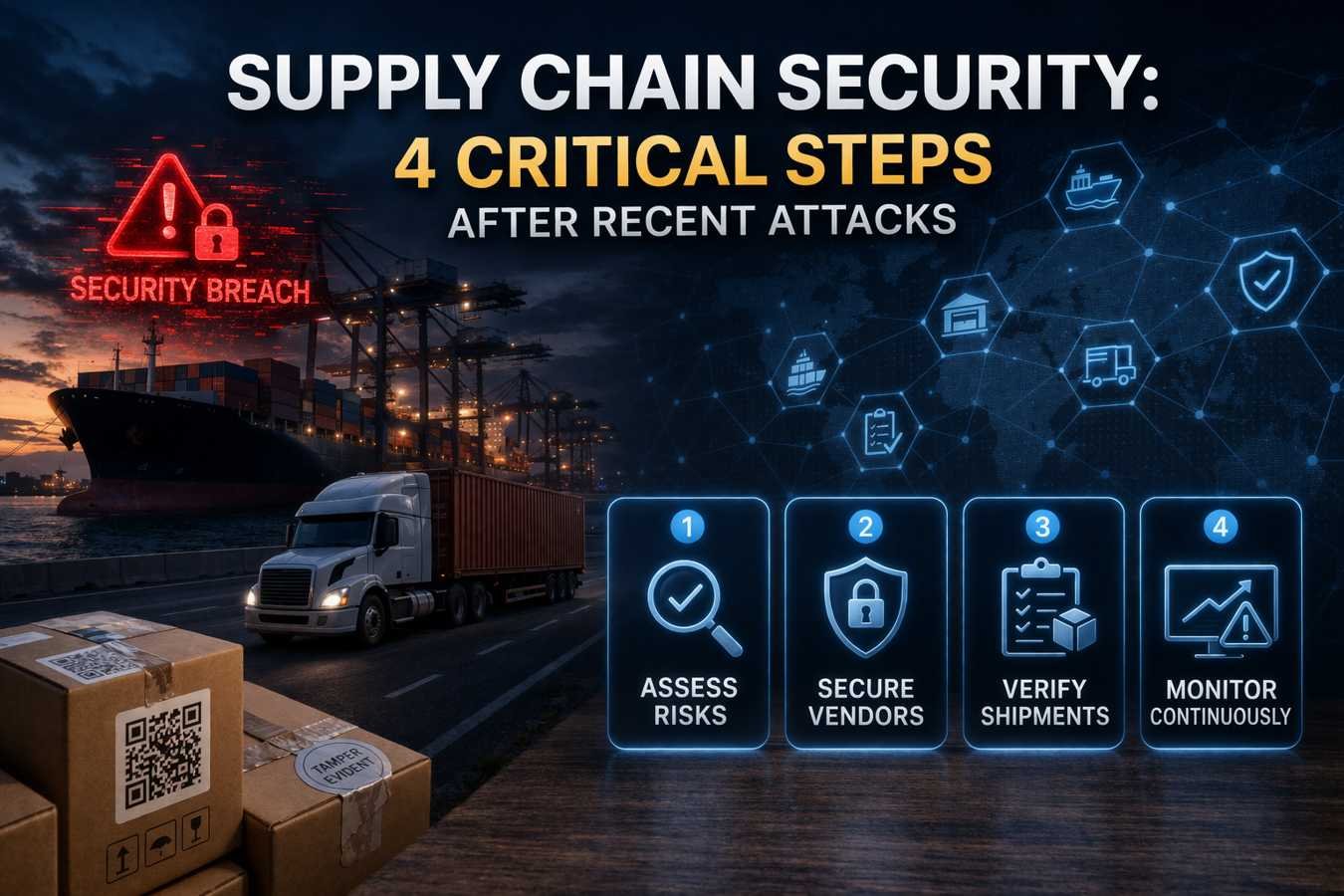
4 Critical Steps for Supply Chain Security Protection
1. Implement Comprehensive Dependency Scanning and SBOM Management
Deploy automated tools that generate and maintain software bills of materials for all applications and infrastructure components. Configure scanning to run on every build and deployment, not just periodic security reviews. Establish policies requiring approval for new dependencies and regular audits of existing ones, particularly focusing on packages with broad access permissions or network capabilities.
2. Establish Trusted Repository Infrastructure with Verification
Create internal mirrors of critical package repositories with mandatory verification processes before updates reach production systems. Implement cryptographic signing verification for all packages and enforce multi-signature requirements for critical components. Configure systems to reject unsigned packages or those from unverified sources, even if functionality temporarily breaks.
3. Harden CI/CD Pipelines with Zero-Trust Principles
Redesign continuous integration and deployment processes using zero-trust architecture principles, where every component requires explicit verification. Implement least-privilege access controls for all pipeline components and rotate secrets automatically on predetermined schedules. Monitor CI/CD activities continuously for anomalous behavior, including unexpected network connections or credential access patterns.
4. Develop Rapid Incident Response Capabilities for Supply Chain Events
Create specialized incident response procedures specifically for supply chain compromises, including predetermined communication channels with vendors and emergency rollback capabilities. Maintain isolated environments for analyzing suspected compromised packages without risking production systems. Establish relationships with threat intelligence providers who can provide early warning of supply chain attacks targeting your technology stack.
Advanced Monitoring and Detection Strategies
Behavioral analytics become crucial for identifying supply chain security threats that evade traditional detection methods. Monitor applications for unexpected network communications, file system changes, or privilege escalation attempts that could indicate compromised dependencies. The Cybersecurity and Infrastructure Security Agency recommends implementing runtime application self-protection (RASP) technologies specifically for supply chain threat detection.
Network segmentation plays a vital role in containing supply chain attacks once they occur. Isolate development environments from production systems and implement strict controls on inter-segment communication. This approach limits the blast radius when compromised development tools attempt to spread malware or exfiltrate sensitive data.
Consider implementing package integrity verification using blockchain or distributed ledger technologies for critical dependencies. While still emerging, these approaches provide tamper-evident records of package modifications that can help detect unauthorized changes to trusted software components.
Building Organizational Resilience
Supply chain security requires organizational changes beyond technical controls. Establish clear ownership and accountability for dependency management across development teams. Security professionals must understand development workflows while developers need training on supply chain threat vectors and secure coding practices.
Regular tabletop exercises focusing on supply chain compromise scenarios help teams practice coordinated response procedures. These exercises should include vendor coordination, customer communication, and regulatory reporting requirements. The NIST Cybersecurity Framework provides structured guidance for developing these organizational capabilities.
Implement supply chain risk assessments for all critical vendors and software providers. Evaluate their security practices, incident response capabilities, and transparency regarding vulnerability disclosure. This due diligence becomes part of procurement decisions and ongoing vendor management processes.
Frequently Asked Questions
How quickly should organizations respond to supply chain security alerts?
Organizations must respond within hours, not days, to supply chain security alerts affecting critical infrastructure. Recent attacks like the Langflow vulnerability showed exploitation beginning within 20 hours of disclosure. Establish automated alerting systems and predefined response procedures to achieve this speed. Maintain emergency contact lists for key personnel and ensure response teams can execute containment procedures outside normal business hours.
What tools are most effective for detecting compromised dependencies?
Software composition analysis (SCA) tools combined with behavioral monitoring provide the most effective detection capabilities. Tools like Snyk, OWASP Dependency Check, and GitHub Advanced Security offer vulnerability scanning, while runtime protection platforms like Contrast Security detect malicious behavior from compromised packages. The Have I Been Pwned service can help identify if your organization’s credentials were exposed in related breaches.
Should organizations stop using open source packages to prevent supply chain attacks?
Abandoning open source packages is neither practical nor necessary for maintaining supply chain security. Instead, implement proper vetting, monitoring, and containment procedures for all dependencies regardless of source. Commercial software faces similar supply chain risks, as demonstrated by numerous vendor compromises in recent years. Focus on implementing robust verification and monitoring rather than avoiding entire categories of software.
Supply chain security demands immediate action as attack sophistication continues evolving rapidly. Organizations that implement comprehensive dependency management, trusted repository infrastructure, hardened CI/CD pipelines, and specialized incident response capabilities position themselves to detect and contain future attacks. The window for reactive approaches has closed – proactive supply chain security measures are now essential for maintaining operational security in 2026’s threat landscape. For additional guidance on implementing comprehensive cybersecurity frameworks and developing effective incident response plans, security teams must prioritize these capabilities immediately.