
Table of Contents
TLDR:
- Philippines approves P20 billion emergency fund for energy sector amid supply concerns
- Higher energy costs could reduce purchasing power of OFW remittances for families back home
- OFWs should consider adjusting remittance amounts and helping families with energy-saving strategies
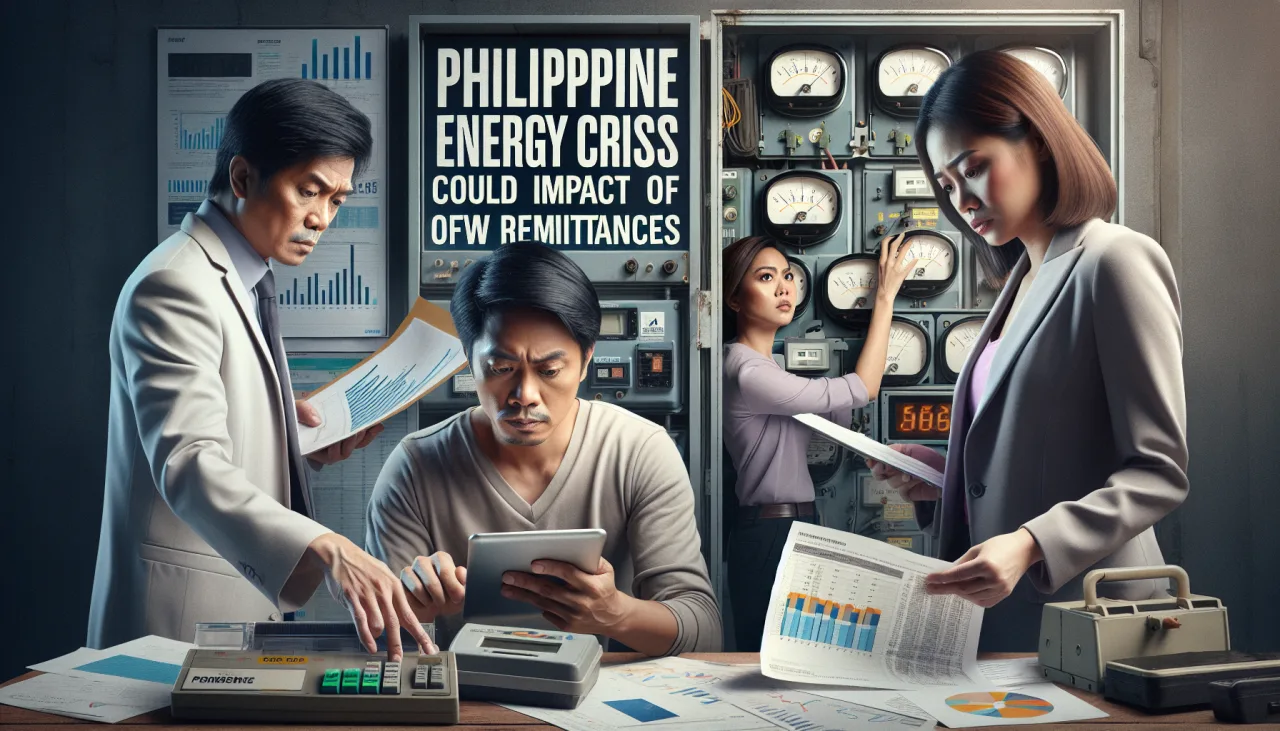
The Philippine energy crisis is intensifying as the government approves a massive P20 billion emergency fund to address power supply issues. This development could significantly impact overseas Filipino workers (OFWs) and their families as energy costs continue to rise across the archipelago.
Government Responds to Philippine Energy Crisis
The Department of Energy (DOE) secured approval for the substantial emergency fund to tackle mounting energy challenges. This move signals the severity of the current power situation in the country. The fund aims to stabilize electricity supply and prevent widespread outages that could cripple economic activities.
Energy officials warn that without immediate intervention, rotating blackouts could become commonplace in major cities including Metro Manila. The emergency funding will support critical infrastructure upgrades and emergency power procurement measures. OFWs should prepare for potential communication disruptions if power shortages worsen in their home provinces.
Impact on OFW Families and Remittances
Higher electricity rates directly affect the purchasing power of remittances sent by OFWs worldwide. Families receiving financial support may find their monthly allowances stretched thinner due to increased utility bills. The Department of Migrant Workers advises OFWs to monitor these developments closely.
Energy-intensive businesses may also face closure or reduced operations, potentially affecting employment opportunities for family members in the Philippines. OFWs working in the Middle East should consider discussing energy-saving measures with their families to help offset rising costs. The crisis particularly impacts households in industrial areas where power demand is highest.
Strategic Adjustments for OFW Households
OFWs can help their families navigate the Philippine energy crisis through practical measures and financial planning. Consider increasing remittance amounts temporarily to cover higher utility expenses during peak crisis periods. The Overseas Workers Welfare Administration provides guidance on managing remittances during economic challenges.
Encourage family members to invest in energy-efficient appliances and solar panels where feasible. These upfront investments can significantly reduce long-term electricity costs despite current financial pressures. Many OFWs are pooling resources with siblings abroad to fund such home improvements for their families.
Timing remittances strategically can also help families budget for fluctuating energy costs throughout the month. Consider sending smaller, more frequent transfers rather than one large monthly payment to help with cash flow management.
Regional Energy Security Concerns
The Philippine energy crisis reflects broader regional challenges affecting energy security across Southeast Asia. Recent developments including Russian oil deliveries and potential revival of South China Sea energy cooperation talks indicate complex geopolitical factors at play. These international negotiations could influence long-term energy costs in the Philippines.
OFWs should stay informed about energy policy developments that may affect their families’ living costs. The Philippine Embassy in Riyadh and other diplomatic posts provide regular updates on domestic economic conditions. Energy security remains a critical factor in the country’s economic stability and inflation rates.
Defense partnerships with NATO countries may also influence energy infrastructure development and security measures. These strategic relationships could bring new technologies and investments to address the Philippine energy crisis over the coming years.
Frequently Asked Questions
How will the P20 billion emergency fund affect electricity prices?
The emergency fund aims to stabilize power supply but may not immediately reduce electricity rates. Short-term costs could remain elevated as the government invests in emergency power solutions. OFWs should expect continued high energy costs for their families in the Philippines for the next 6-12 months.
Should OFWs increase their remittances due to the energy crisis?
Consider temporarily increasing remittances by 10-15% to help families cope with higher utility bills. Monitor your family’s actual energy costs and adjust accordingly. Focus on helping them implement energy-saving measures rather than just sending more money long-term.
What energy-saving tips can OFWs share with families?
Recommend using LED bulbs, unplugging unused appliances, and setting air conditioning to 24-26°C. Encourage families to use energy-efficient cooking methods and consider solar water heaters. These simple changes can reduce monthly electricity bills by 15-30% during the Philippine energy crisis.
The Philippine energy crisis presents significant challenges for OFW families, but strategic planning and practical measures can help mitigate its impact. Stay connected with your families to understand their specific energy-related expenses and adjust your support accordingly. Consider this crisis an opportunity to invest in long-term energy solutions that will benefit your household for years to come, while monitoring government initiatives that may provide relief in the coming months.